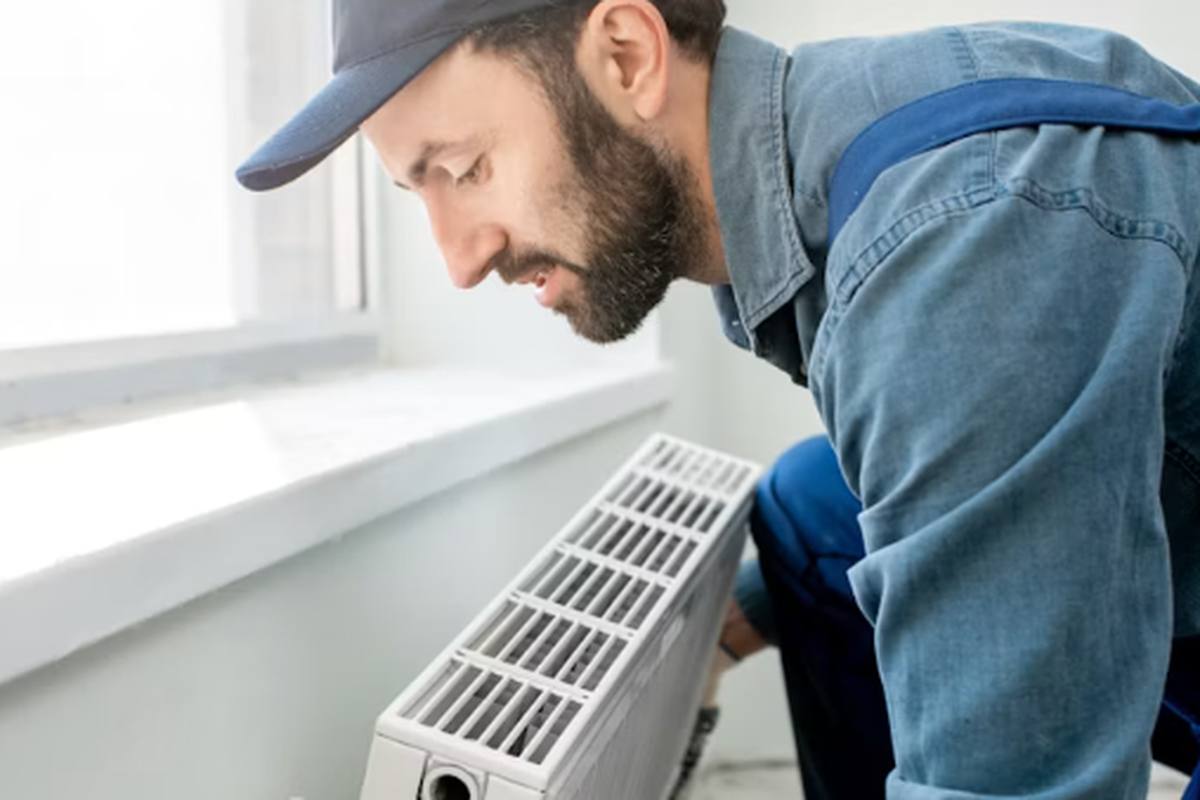
How to Choose an HVAC Contractor: 12 Questions to Ask
Equipment brand accounts for a small share of how your system performs. Installation quality accounts for most of it. Screen the installer harder than the box.
Connect this button to your email provider (Mailchimp, ConvertKit or Beehiiv) to start collecting subscribers. The form endpoint goes here.
COP is the cleanest efficiency number in HVAC and the one manufacturers are least eager to put on the box. Here is how to read it.
Coefficient of performance is a ratio with no units: heat delivered divided by energy consumed. A COP of 3.5 means the unit delivers 3.5 kW of heat for every 1 kW of electricity it draws.
COP is not a fixed property of the machine. It changes with outdoor temperature, indoor temperature, fan speed and compressor speed. The same unit might show a COP of 4.5 at 47°F and 2.1 at 5°F. When a spec sheet gives you a single COP number without stating the test conditions, it is close to useless.
COP is an instantaneous measurement at one condition. HSPF2 and SEER2 are seasonal averages that bundle an entire heating or cooling season into one figure, including defrost cycles and part-load behavior. HSPF2 is more useful for comparing two units you might buy; COP is more useful for understanding how a unit will behave on the coldest night of the year.
The two numbers are related by the conversion between watts and BTU: HSPF2 is approximately COP multiplied by 3.412, so a COP of 3.0 corresponds very roughly to an HSPF2 in the neighborhood of 10. Treat this as a rough seasonal approximation rather than an exact formula, since it does not capture how COP falls as outdoor temperature drops through a real heating season. It is useful mainly as a sanity check when a spec sheet gives you one number and you want a rough sense of the other, not as a substitute for the manufacturer's actual published rating.
HSPF2 itself is a relatively recent standard, introduced alongside SEER2 in 2023 to replace the older HSPF and SEER tests with ones that better reflect real ductwork and airflow resistance rather than idealized lab conditions. A unit's HSPF2 number is typically a bit lower than its old HSPF would have been for the same hardware, which is a testing change, not a sign the equipment got worse.
System COP, as opposed to equipment COP, includes duct losses, blower power and any backup heat that runs. A unit with an equipment COP of 3.8 sitting on leaky attic ductwork can deliver a system COP closer to 2.4. Duct sealing is usually the cheapest efficiency upgrade available and almost never appears on a replacement quote unless you ask for it.
Is a higher COP always better? For a given set of test conditions, yes, but only compare COP figures measured at the same outdoor and indoor temperatures. A COP of 4.0 at 47°F tells you nothing about how the same unit performs at 5°F, and manufacturers sometimes headline the flattering number.
What COP should I expect from a mini split versus a ducted system? Mini splits often post higher point COPs than ducted systems at the same conditions, partly because they avoid duct losses entirely by delivering air directly into the room. That is one reason a mini split's system COP and equipment COP tend to sit closer together than a ducted system's do.
Where do I find the actual COP for a specific model? The AHRI certificate for a matched system, or the manufacturer's engineering or submittal data, lists COP at standard test points. A sales brochure alone often omits it in favor of SEER2 and HSPF2, which is exactly why it is worth asking for directly.
A COP quoted without the outdoor temperature it was measured at tells you almost nothing, because the number moves continuously with conditions. Certified ratings solve this by fixing the conditions.
Residential air-source equipment in the US is rated under AHRI Standard 210/240, which defines the test conditions manufacturers must publish against. Heating performance is measured at fixed outdoor temperatures, including a 47°F nominal full-capacity point and a 5°F low-temperature point. That second figure is the one worth asking for, because it describes the equipment on the days you actually care about.
This is why two systems can both advertise "COP up to 4" and behave completely differently in January. One may reach that figure at 47°F and fall to 1.8 at 5°F; another may hold 2.5 at 5°F. The headline number is the same and the winter bill is not. When a spec sheet lists a single COP with no temperature attached, treat it as marketing rather than data.
Ground-source (geothermal) systems consistently publish higher COPs than air-source ones, commonly in the region of 3.5 to 5.0 against roughly 2.0 to 4.0 for air-source equipment. The reason is not better engineering. It is a better heat source.
An air-source unit pulls heat from outdoor air, so its performance tracks the weather and is worst exactly when demand is highest. A ground loop draws from soil a few feet down, where temperature stays close to the local annual average all year. The temperature difference the compressor has to work across is therefore smaller and, critically, stable. A ground-source system also never runs a defrost cycle, because there is no outdoor coil collecting frost.
The trade-off is installation cost, since a ground loop means drilling or trenching. Higher COP is real, and whether it pays back depends on your climate, your electricity price and how long you intend to stay.
COP describes the equipment, not your house. Several things sit outside the measurement entirely, and each one moves the number you actually experience:
The practical consequence: rated COP sets a ceiling on what your system can do, and the quality of the installation determines how close you get to it. This is the single most common reason a homeowner's real bill disappoints against the brochure.
Diagnostic steps here are ordered by how often each cause turns out to be the answer, not by how serious it is. That is deliberate: working the common causes first is what saves you a service call, and the rare-but-severe ones are flagged where they apply.
Primary references for the figures and procedures on this page. Where a number here is a range drawn from field experience rather than a published measurement, it is labelled as such in the text.
Last checked September 2026. Figures are typical for current US residential systems; confirm published ratings for your exact model.
Equipment brand accounts for a small share of how your system performs. Installation quality accounts for most of it. Screen the installer harder than the box.
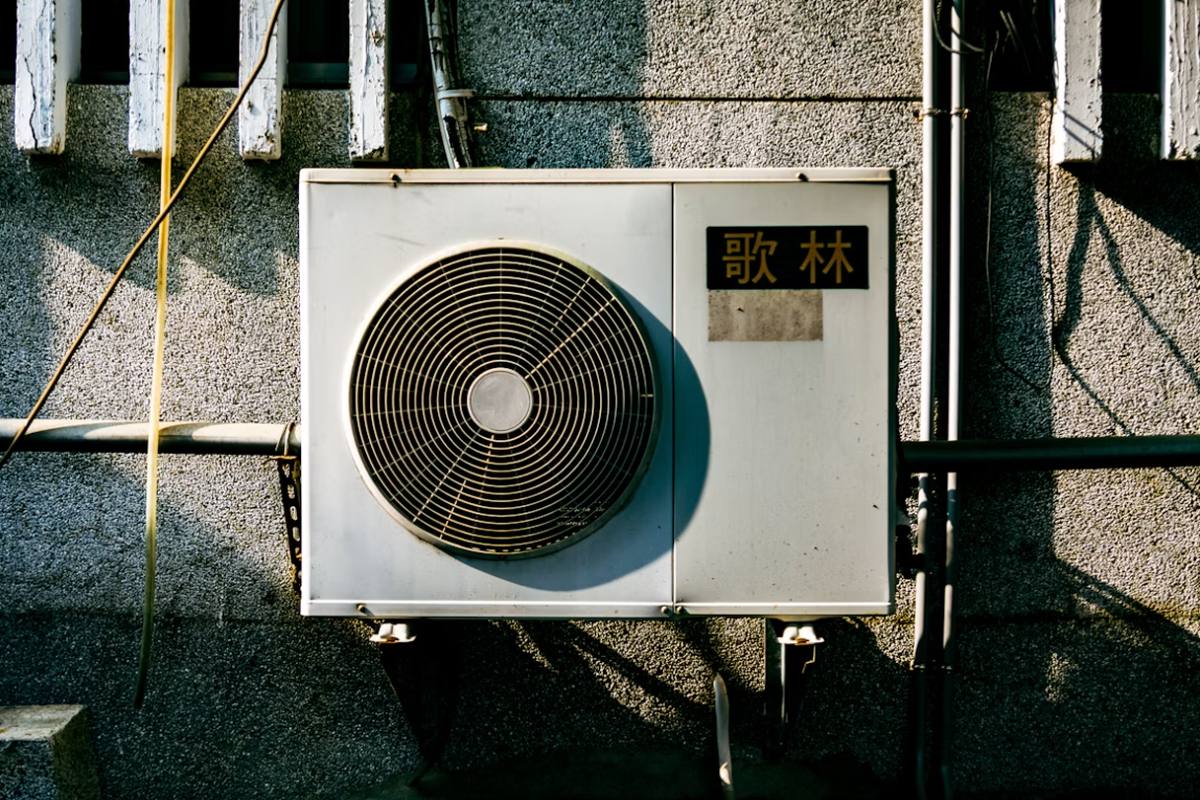
Start with the two possibilities that are completely normal, then work through the five that are not. Most cases resolve without a service call.
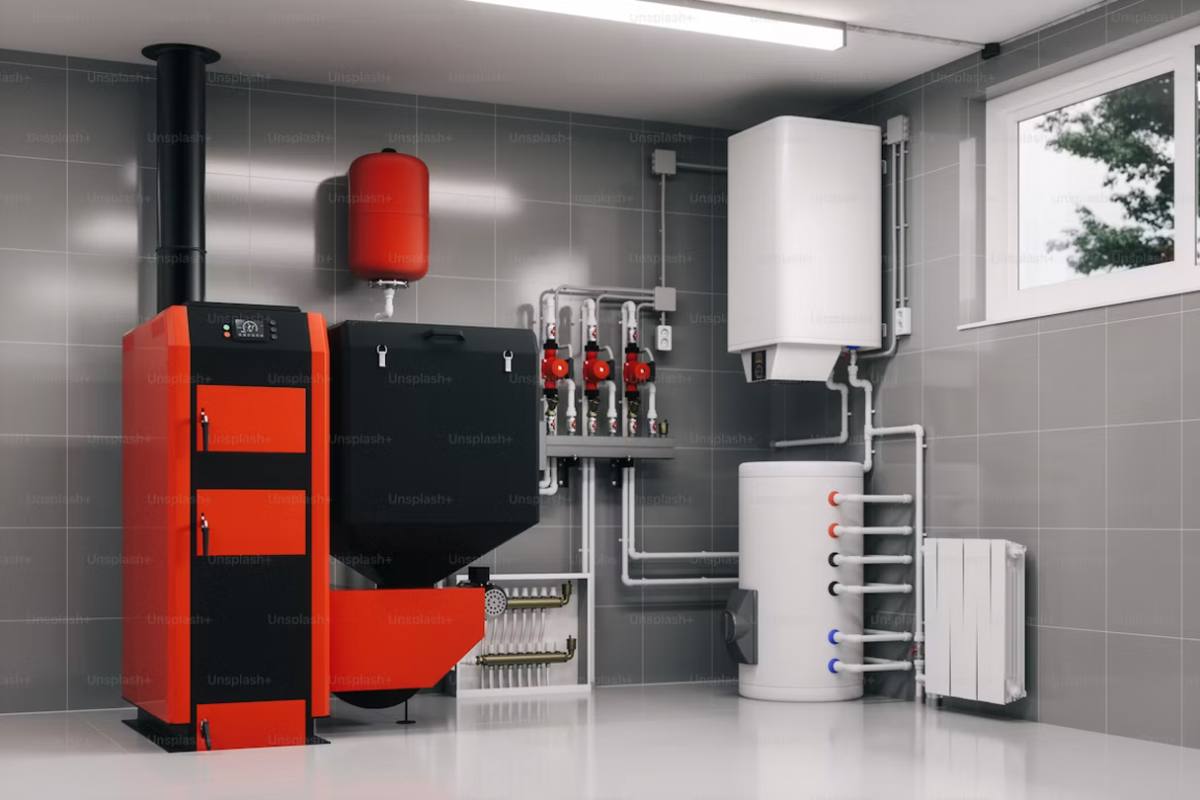
Mitsubishi reports faults as two-character codes and as LED blink patterns. Here is how to retrieve a code and what the major families of codes point to.
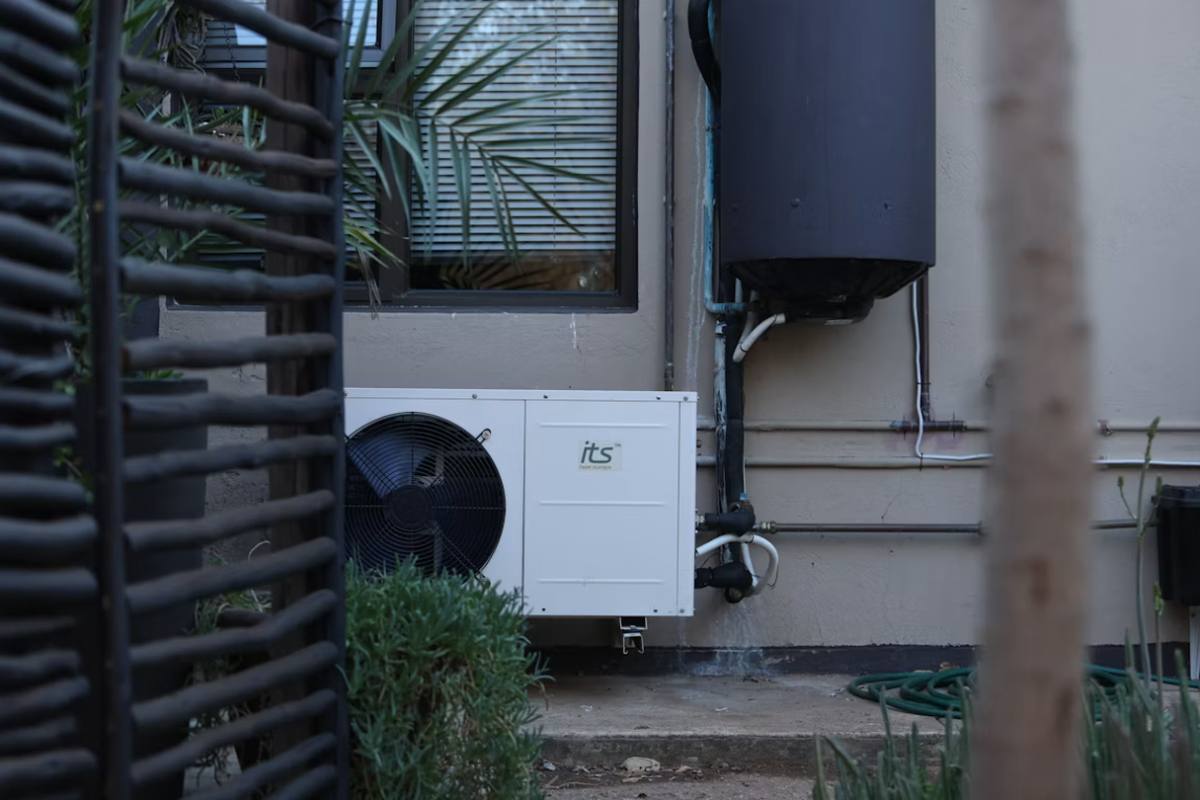
A light coating of frost in winter is expected. A block of ice encasing the coil or ice on the top of the unit is a problem you should not ignore.