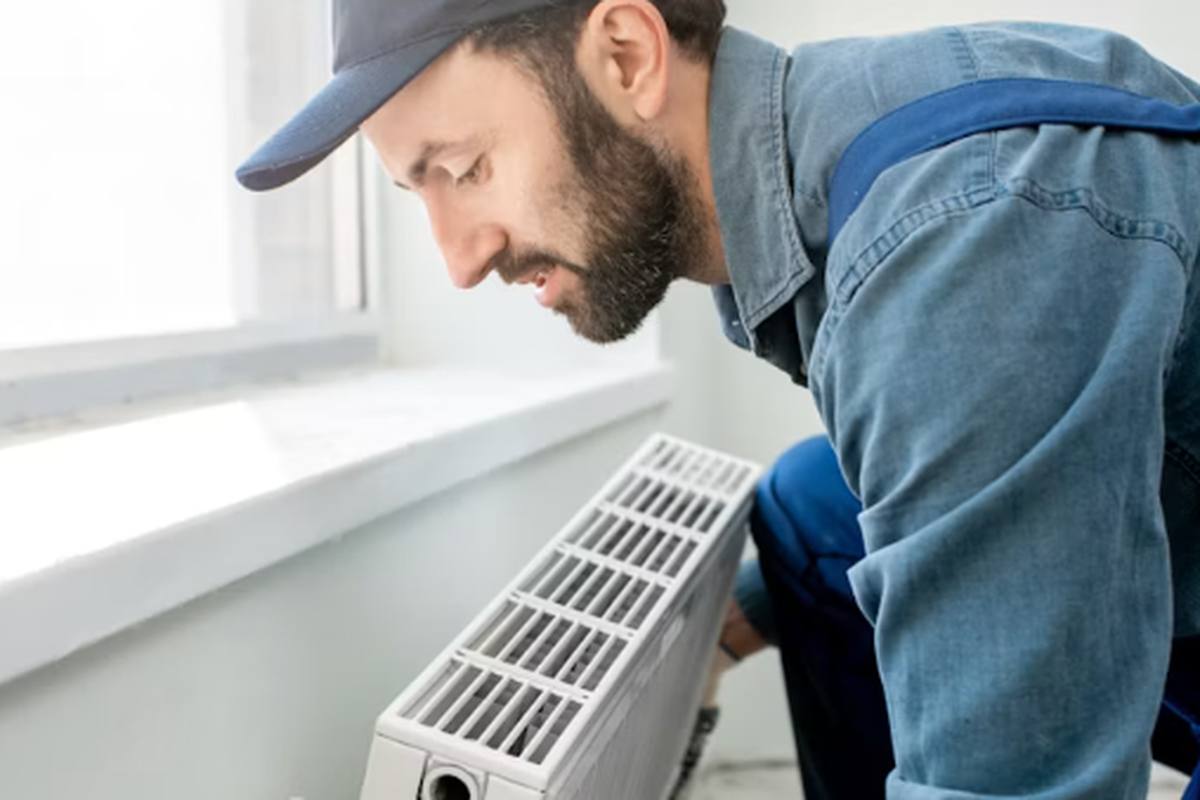
How to Choose an HVAC Contractor: 12 Questions to Ask
Equipment brand accounts for a small share of how your system performs. Installation quality accounts for most of it. Screen the installer harder than the box.
Connect this button to your email provider (Mailchimp, ConvertKit or Beehiiv) to start collecting subscribers. The form endpoint goes here.
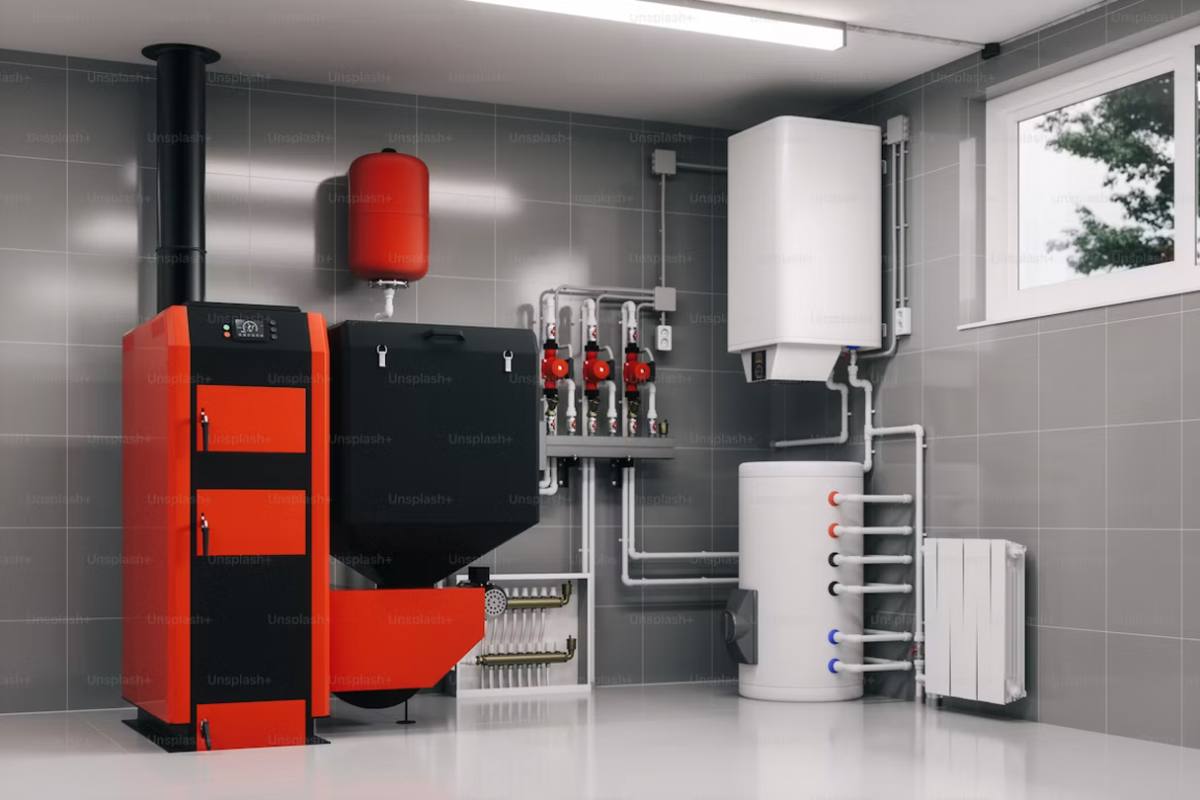
Mitsubishi reports faults as two-character codes and as LED blink patterns. Here is how to retrieve a code and what the major families of codes point to.
Codes vary between series and between indoor and outdoor units, so always confirm against the manual for your exact model number. What does not change is the method and the general meaning of each code family.
| Family | Points to | Homeowner action |
|---|---|---|
| Room and coil temperature sensor faults | A thermistor is open, shorted or out of range | Technician — inexpensive part |
| Indoor and outdoor communication faults | Wiring between units, or a control board | Check for obvious wiring damage, then call |
| Drain and float switch faults | Condensate not draining | Often fixable: clear the drain line |
| Fan motor faults | Motor, capacitor or obstruction | Check for obstruction, then call |
| Compressor and pressure faults | Refrigerant charge, blocked coil, overload | Clean coil and clear airflow, then call |
| Overcurrent and inverter faults | Power supply, inverter board | Technician only |
These five come up often enough across Mitsubishi's residential lineup to be worth naming directly, though the exact meaning can still shift slightly by model. Confirm against your unit's manual before acting.
| Code | Points to | Homeowner action |
|---|---|---|
| P1 | Indoor intake thermistor damaged or disconnected | Technician; inexpensive sensor part |
| P6 | Freeze or overheat protection tripped, often from a dirty filter, dusty blower wheel or blocked airflow | Clean the filter and check airflow first |
| E6 | Indoor-to-outdoor communication error, usually the interconnecting cable or a control board | Check for obvious wiring damage, then call |
| E9 | Outdoor air sensor malfunction or disconnection | Technician |
| U2 | Power supply abnormality | Technician only; do not repeatedly power cycle |
Codes in the U-series beyond U2, including U5, U6 and UF, generally point to the compressor, power module or refrigerant circuit. These require a licensed technician; opening a sealed refrigerant system without EPA Section 608 certification is illegal, not just inadvisable.
Give the technician the exact code, the model numbers of both units, whether the fault is constant or intermittent, and what the weather was doing when it appeared. That information routinely saves an hour of diagnostic labor.
Can I clear a code just by resetting the breaker? Sometimes, if the underlying cause was momentary, but a reset only clears the system's memory of the fault. If the cause is still present, such as a blocked filter or a genuinely failed sensor, the code returns as soon as the system tries to run normally again.
Do the same code numbers apply to every Mitsubishi model? Not exactly. Mitsubishi's residential lineup shares general code families across most models, but the exact digit-to-cause mapping can shift between series. Always cross-check a code against the manual or model-specific documentation for your unit rather than assuming it matches another Mitsubishi system you have seen.
Is a blinking light the same as a displayed code? They carry the same information through different displays. Units without a code screen communicate the same fault through a counted blink pattern on the operation and timer LEDs, and the manual maps each pattern to the equivalent code.
Diagnostic steps here are ordered by how often each cause turns out to be the answer, not by how serious it is. That is deliberate: working the common causes first is what saves you a service call, and the rare-but-severe ones are flagged where they apply.
Primary references for the figures and procedures on this page. Where a number here is a range drawn from field experience rather than a published measurement, it is labelled as such in the text.
Last checked September 2026. Codes and their meanings are typical for Mitsubishi's residential lineup and can vary by model; confirm against your unit's manual.
Equipment brand accounts for a small share of how your system performs. Installation quality accounts for most of it. Screen the installer harder than the box.
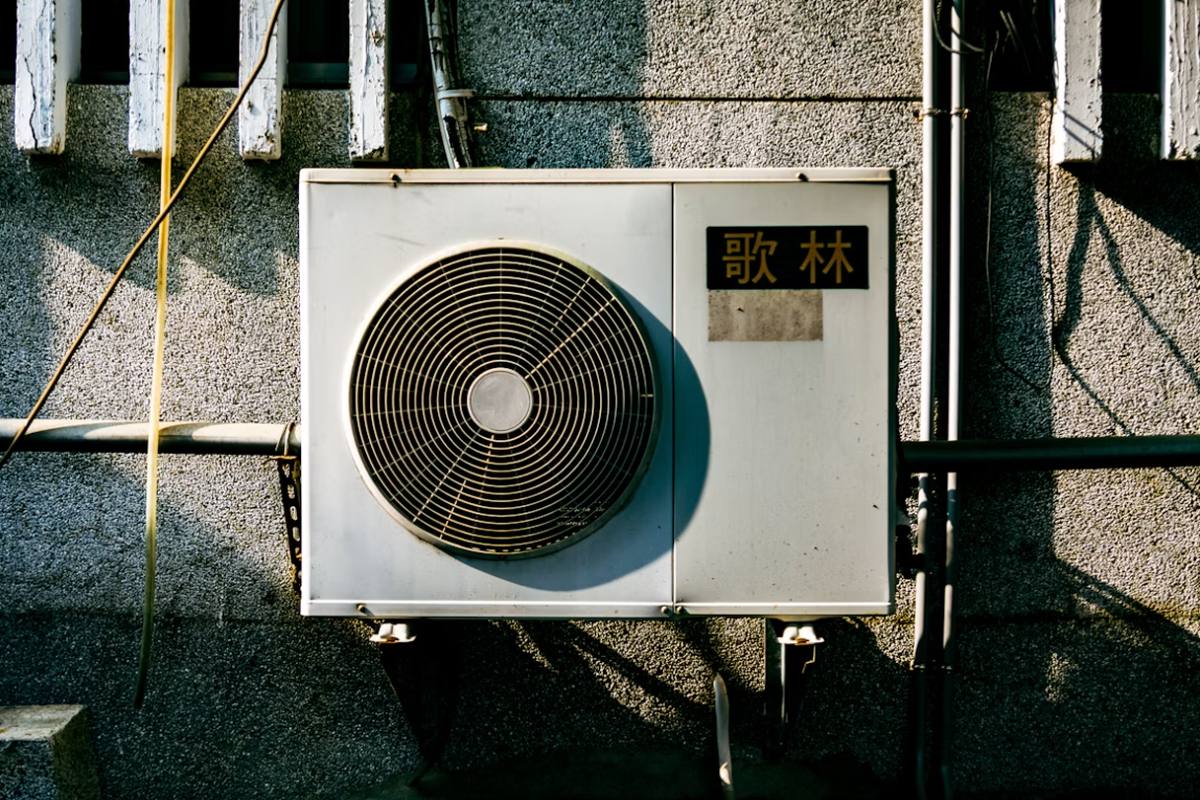
Start with the two possibilities that are completely normal, then work through the five that are not. Most cases resolve without a service call.
Mitsubishi reports faults as two-character codes and as LED blink patterns. Here is how to retrieve a code and what the major families of codes point to.
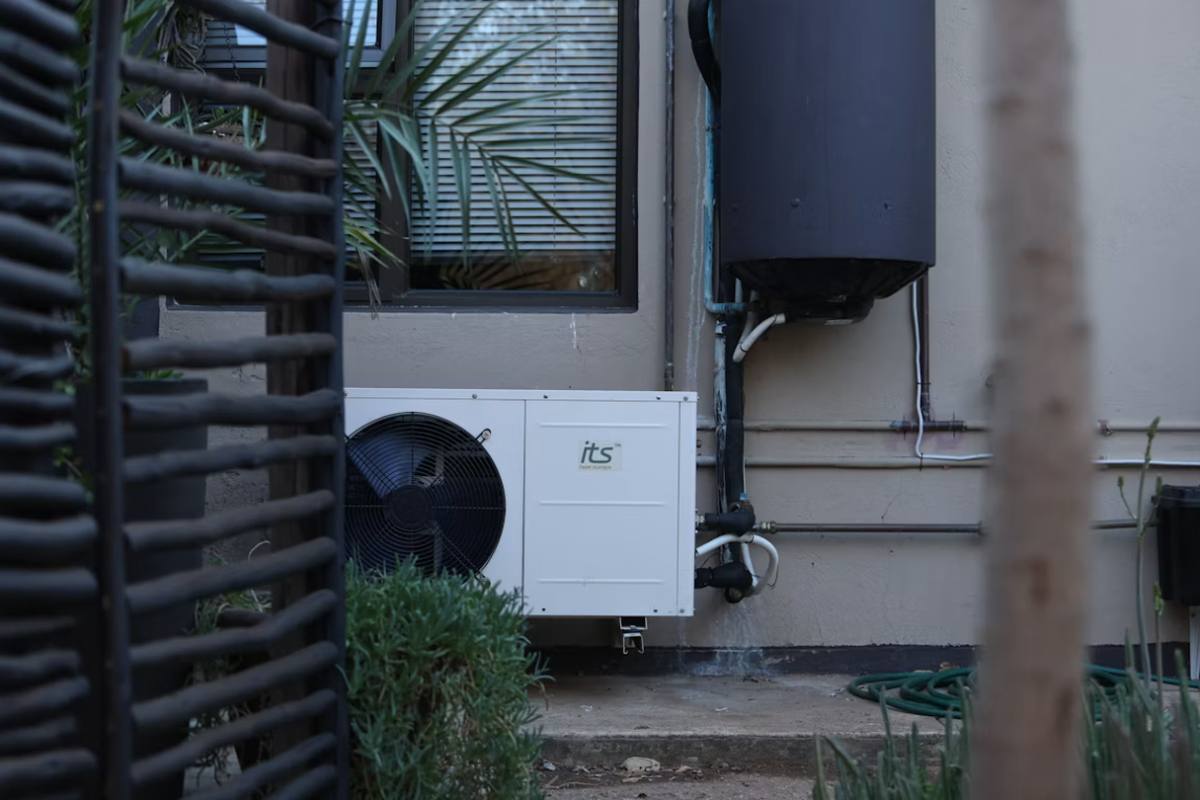
A light coating of frost in winter is expected. A block of ice encasing the coil or ice on the top of the unit is a problem you should not ignore.