
How to Choose an HVAC Contractor: 12 Questions to Ask
Equipment brand accounts for a small share of how your system performs. Installation quality accounts for most of it. Screen the installer harder than the box.
Connect this button to your email provider (Mailchimp, ConvertKit or Beehiiv) to start collecting subscribers. The form endpoint goes here.
Equipment brand accounts for a small share of how your system performs. Installation quality accounts for most of it. Screen the installer harder than the box.
Studies of field-installed systems consistently find a large share operating well below rated efficiency because of charge errors, airflow problems and sizing mistakes. None of that is the manufacturer’s fault. Use these questions to separate crews.
Do not rely on a business card or a claim made on the phone. Look up the contractor's license directly on your state's contractor licensing board website, which will show whether it is active and whether it covers mechanical or HVAC work specifically rather than general contracting. Ask for a certificate of insurance and call the insurance carrier listed on it to confirm the policy is currently active. Both checks take a few minutes and cost nothing, and a contractor with nothing to hide will not push back on either request.
NATE, North American Technician Excellence, is an industry-wide certification a technician earns after roughly two years of field experience and a set of exams covering real installation and diagnostic knowledge, not just a weekend course. It is not required by law in most places, so plenty of competent technicians work without it, but a NATE-certified tech has demonstrated a baseline of knowledge you can verify rather than take on faith, and certification requires ongoing continuing education to keep. It is a reasonable tie-breaker between two quotes that otherwise look similar.
They ask about comfort complaints room by room. They look at your electrical panel unprompted. They explain a trade-off honestly rather than promising everything. They tell you something you did not want to hear.
Is the biggest local company automatically the safest choice? Not necessarily. Size correlates with resources and training programs, but the twelve questions above matter more than company size. A smaller, careful crew that answers every question well is a better bet than a large company's rushed estimator.
Should I be suspicious of a contractor who is booked out for weeks? Generally no, and it can be a good sign during busy season, since a contractor with no backlog at all in peak season is sometimes one other homeowners have already screened out.
How many of these questions should I actually ask out loud? You do not need a formal interview. Working the Manual J, permit, AHRI-matched pair and warranty questions into normal conversation during the estimate visit covers the ones that matter most, and how comfortably a contractor answers them tells you as much as the answers themselves.
Homeowners who collect three written quotes typically save 12–18% on the same system. Tell us your ZIP and we will connect you with licensed installers in your area.
Every figure on this page is a range, not an average, and the distinction matters. A national average blends a garage mini split with a five-ton ducted replacement and describes neither. Ranges tell you where your own job is likely to land.
Found something out of date or contradicted by a quote you have in hand? Tell us — corrections are the messages we most want to receive.
Primary references for the figures and procedures on this page. Where a number here is a range drawn from field experience rather than a published measurement, it is labelled as such in the text.
Last checked September 2026. Prices are US ranges and vary by region; always confirm against written quotes.
Equipment brand accounts for a small share of how your system performs. Installation quality accounts for most of it. Screen the installer harder than the box.
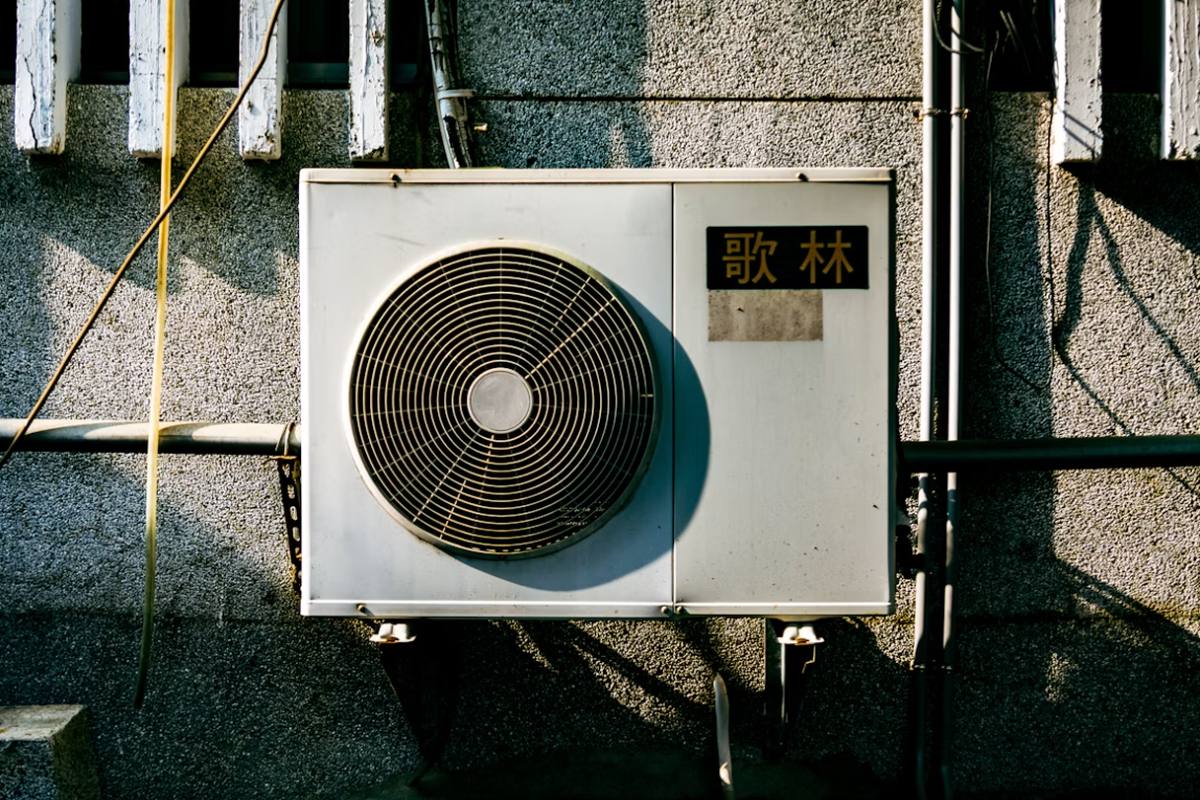
Start with the two possibilities that are completely normal, then work through the five that are not. Most cases resolve without a service call.
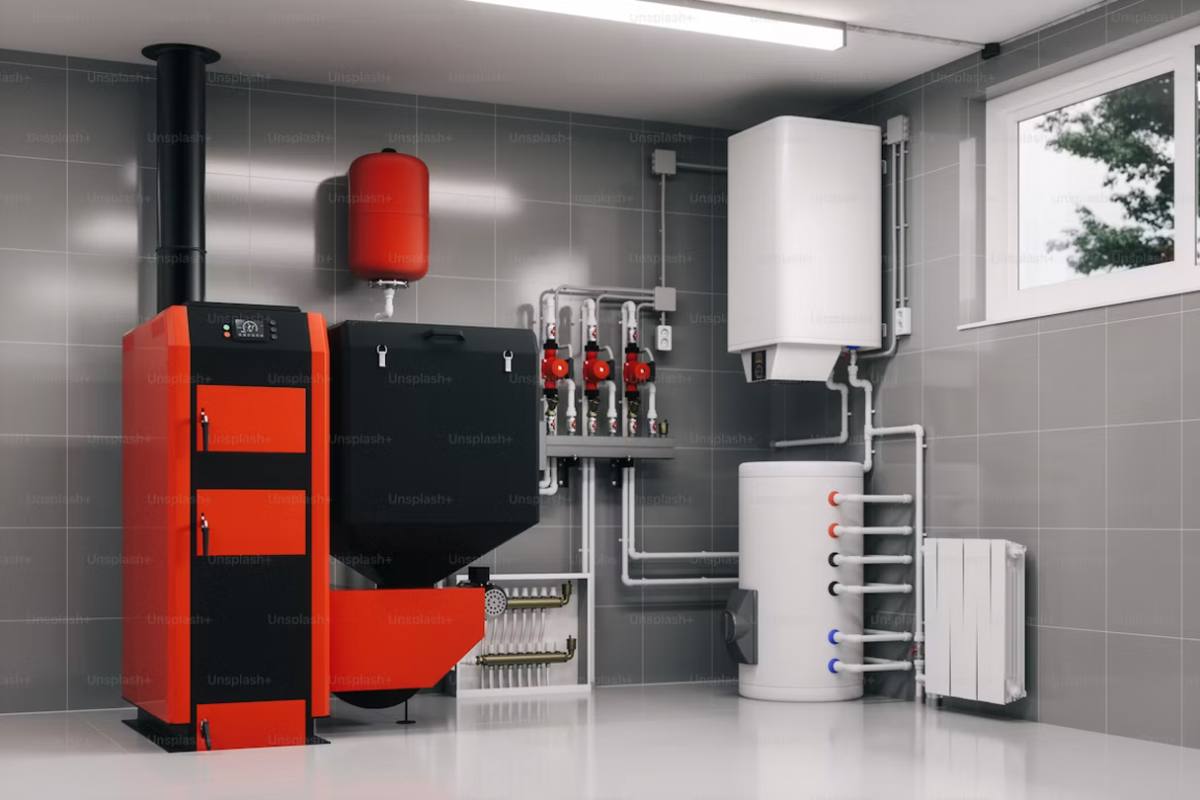
Mitsubishi reports faults as two-character codes and as LED blink patterns. Here is how to retrieve a code and what the major families of codes point to.
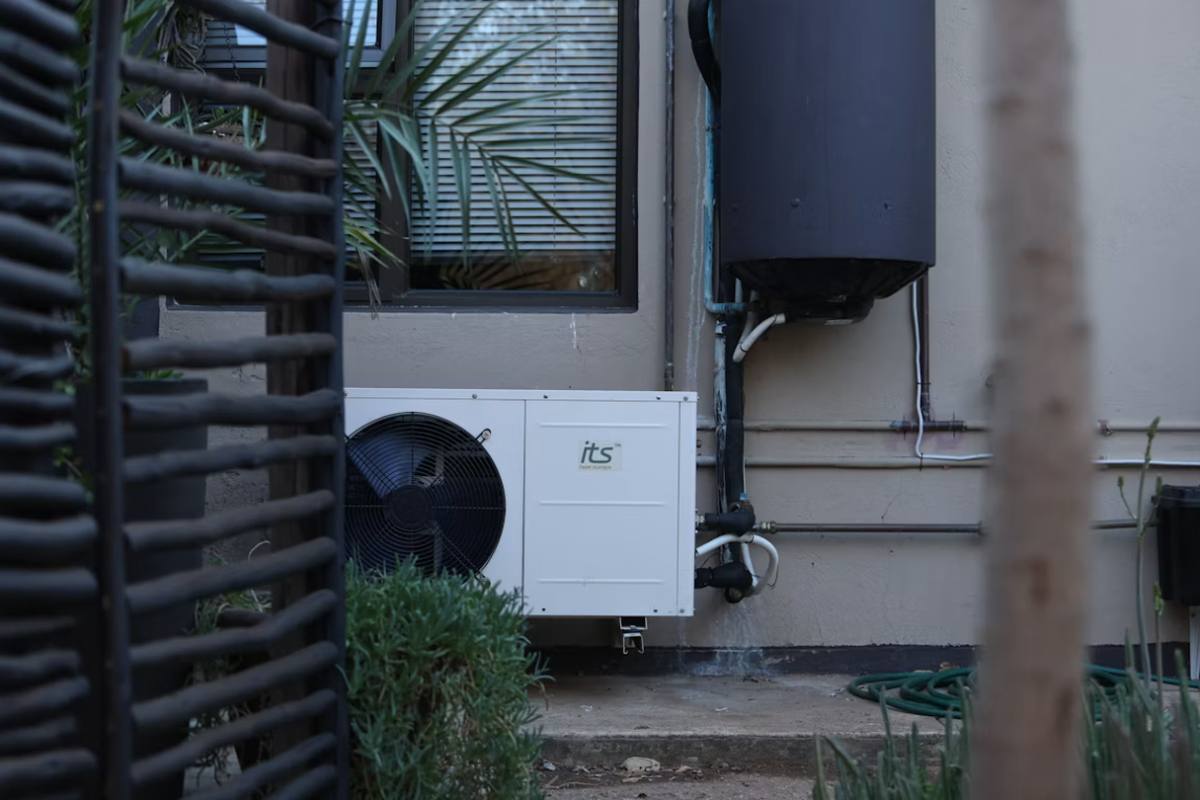
A light coating of frost in winter is expected. A block of ice encasing the coil or ice on the top of the unit is a problem you should not ignore.