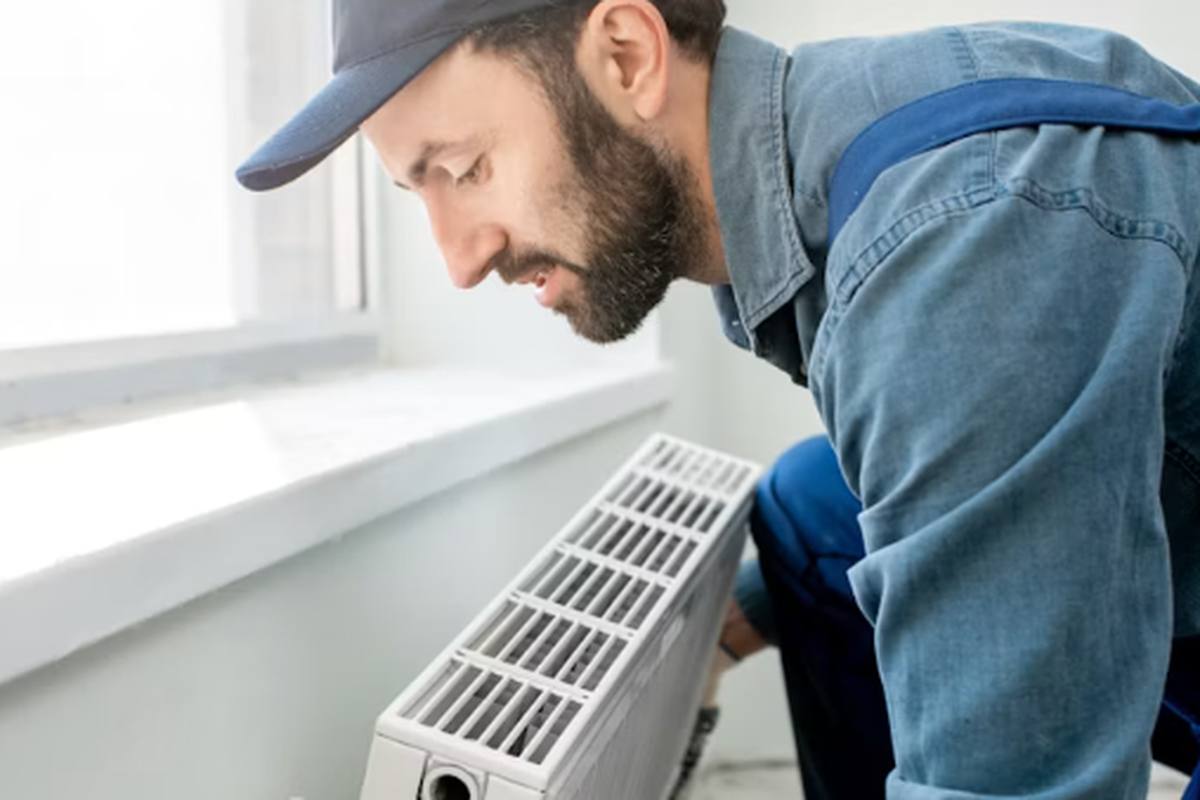
How to Choose an HVAC Contractor: 12 Questions to Ask
Equipment brand accounts for a small share of how your system performs. Installation quality accounts for most of it. Screen the installer harder than the box.
Connect this button to your email provider (Mailchimp, ConvertKit or Beehiiv) to start collecting subscribers. The form endpoint goes here.
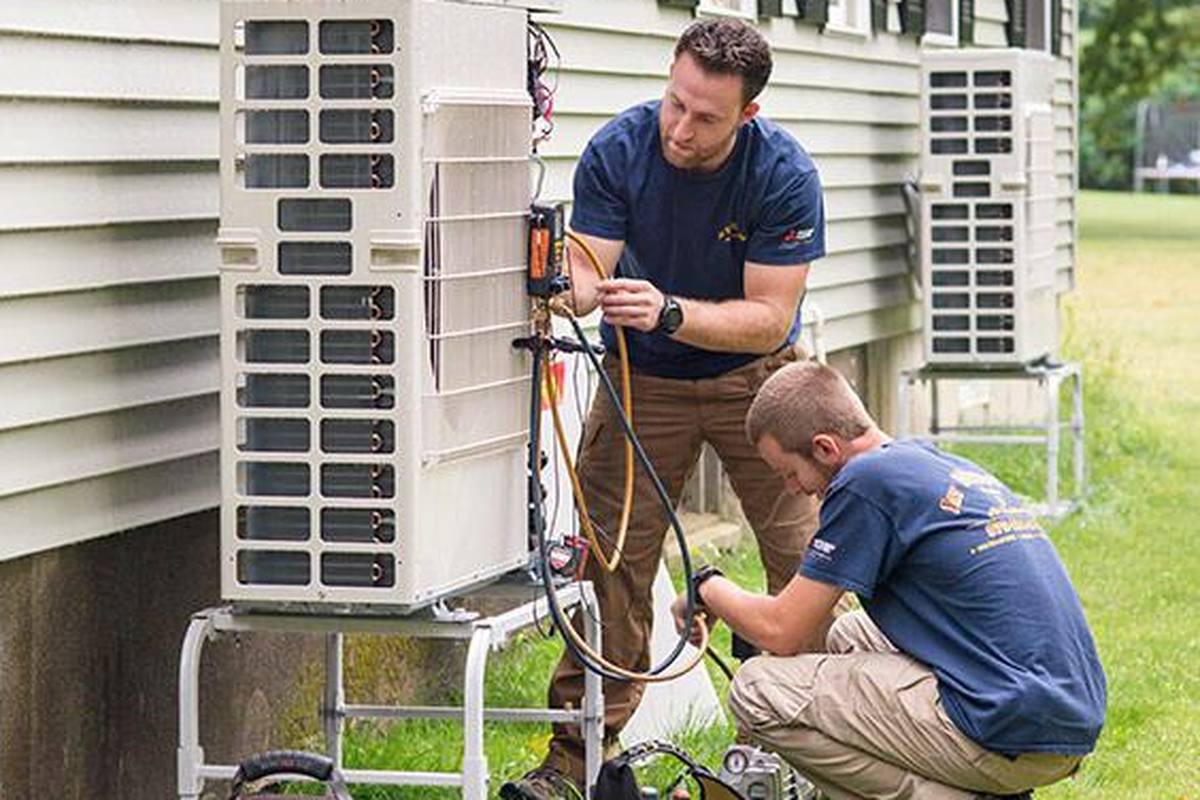
Installed prices run from $5,500 for a straightforward single-zone swap to $22,000 for a whole-home ducted system with electrical work. Here is what drives the difference.
Published national averages are close to useless because they blend a garage mini split with a five-ton ducted replacement. This breakdown separates the variables so you can predict your own number before the first contractor walks through the door.
Tonnage is the standard measure of a system's heating and cooling capacity, and it is one of the biggest single drivers of price within the same system type. These are typical installed ranges for a straightforward ducted replacement, before any electrical or ductwork surprises:
| System size | Typical coverage | Installed price range |
|---|---|---|
| 2 ton | ~900–1,200 sq ft | $4,000 – $8,000 |
| 3 ton | ~1,500–1,800 sq ft | $5,500 – $10,000 |
| 4 ton | ~2,000–2,400 sq ft | $8,000 – $14,000 |
| 5 ton | ~2,500+ sq ft | $10,000 – $18,000 |
Square footage coverage is a rough guide only. The right tonnage for your home depends on insulation, climate, window area and layout, not floor area alone. An undersized or oversized system costs you either way, in comfort or in wasted capacity.
On a typical $12,000 ducted job, the split looks roughly like this: equipment 35–45%, labor 30–40%, materials and refrigerant lines 8–12%, permits and inspection 2–4%, and contractor overhead and margin making up the rest. When a quote comes in dramatically low, one of those lines has been cut — usually labor hours or the load calculation.
The same system installed by the same contractor can cost noticeably different amounts depending on where you live, mainly because of labor rates and permit fees rather than the equipment itself. Municipal permit and inspection fees alone commonly run $150 to $500, and some cities charge more for larger systems or additional electrical work. Coastal metro areas and the Northeast tend to sit at the top of the national range; the Southeast and parts of the Midwest tend to sit at the bottom. Get quotes from local contractors rather than anchoring on a national average, since the spread between the cheapest and most expensive metro areas can exceed 60% for comparable work.
Handling refrigerant, including R-410A or R-32, legally requires EPA Section 608 certification. Opening, evacuating, recovering or charging a refrigerant circuit without it is illegal, not just inadvisable, with penalties that can run into tens of thousands of dollars. That rules out a fully DIY installation on any system where you or a helper would need to work with refrigerant lines.
There is a real exception. Some mini split systems ship as factory-precharged kits with quick-connect line sets, where the refrigerant circuit is never opened during a correctly performed installation. Homeowners comfortable with basic electrical and mounting work sometimes handle that portion themselves and bring in a licensed technician only to verify the connection and commission the system, an approach sometimes called a self-install with a professional finish. This does not apply to standard ducted systems, which require brazing and evacuating refrigerant lines as a normal part of installation.
Beyond savings and rebates, most national HVAC brands and larger contractors offer financing through partner lenders, commonly structured as promotional 0% interest for a fixed period, typically somewhere between 12 and 60 months, subject to credit approval. Terms vary by brand, dealer and your credit profile, so treat any advertised rate as a starting point to negotiate from rather than a guaranteed offer, and compare the total cost against paying cash or using a lower-rate personal loan or home equity line before committing.
Ask every contractor for a written Manual J load calculation, the exact model numbers of indoor and outdoor units, and a line for permit and inspection. A quote without those three things cannot be compared to anything.
A new system carries two separate warranties, not one. The manufacturer's parts warranty covers defective components; it does not cover the labor to remove and replace them. The labor warranty, when one exists, comes from the contractor or a separate service plan, and it is usually shorter and less standardized than the parts coverage.
Most brands default to a 5-year parts warranty but extend it to 10 or 12 years if you register the equipment, commonly within 60 to 90 days of installation. Missing that window can permanently shrink your coverage with no way to appeal it later. Confirm whether your contractor registers the equipment for you or whether that step is on you, and get it in writing either way. Nearly all manufacturer warranties also require documented annual professional maintenance to stay valid, so keep every service invoice.
The federal 25C tax credit that used to apply to heat pumps expired December 31, 2025, so it no longer reduces the price for a 2026 installation. See the current status and what replaced it before you assume a credit applies. State energy offices and individual utilities still run their own rebates, and coverage varies widely by location, so check both before you sign a contract rather than after.
Take the midpoint of the range for your system type and size, add 15% contingency for electrical and duct surprises, then subtract any confirmed state or utility rebate last rather than first. Homeowners who subtract a rebate before budgeting, and then find out they did not qualify or the program ran out of funds, are the ones who end up short.
Is a heat pump more expensive to install than a central air conditioner? Usually somewhat more, since a heat pump's outdoor unit and controls are more complex than a straight AC condenser, but the gap has narrowed as heat pumps have become the standard product line for most manufacturers rather than a specialty item.
Does replacing just the outdoor unit cost less? It can, but only if your existing indoor air handler or coil is compatible with the new outdoor unit's refrigerant type and capacity. Mismatched systems perform below their rated efficiency and can fail to qualify for rebate programs, so a straight swap is not always the savings it appears to be.
Should I expect the lowest quote to be the best deal? Not automatically. Quotes for the same house commonly vary by thousands of dollars, and the cheapest one sometimes reflects a smaller unit, a skipped load calculation, or labor corners being cut rather than genuine savings.
Homeowners who collect three written quotes typically save 12–18% on the same system. Tell us your ZIP and we will connect you with licensed installers in your area.
Every figure on this page is a range, not an average, and the distinction matters. A national average blends a garage mini split with a five-ton ducted replacement and describes neither. Ranges tell you where your own job is likely to land.
Found something out of date or contradicted by a quote you have in hand? Tell us — corrections are the messages we most want to receive.
Primary references for the figures and procedures on this page. Where a number here is a range drawn from field experience rather than a published measurement, it is labelled as such in the text.
Last checked September 2026. Prices are US ranges and vary by region and by contractor; always confirm against written quotes.
Equipment brand accounts for a small share of how your system performs. Installation quality accounts for most of it. Screen the installer harder than the box.
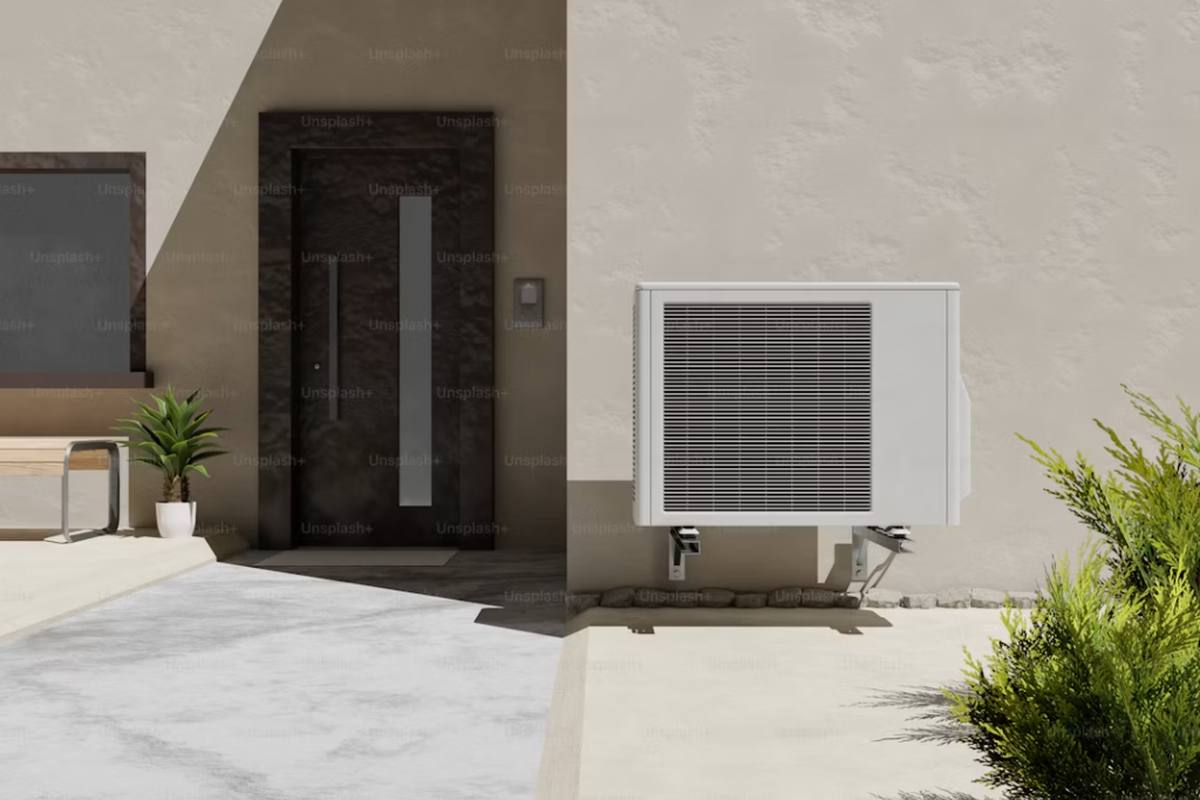
The first zone carries the outdoor unit and most of the labor. Every zone after that is comparatively cheap — until you cross the multi-head threshold.

The short answer is yes, and modern cold-climate units are rated to keep producing useful heat down to -13°F. The longer answer is about capacity, not failure.
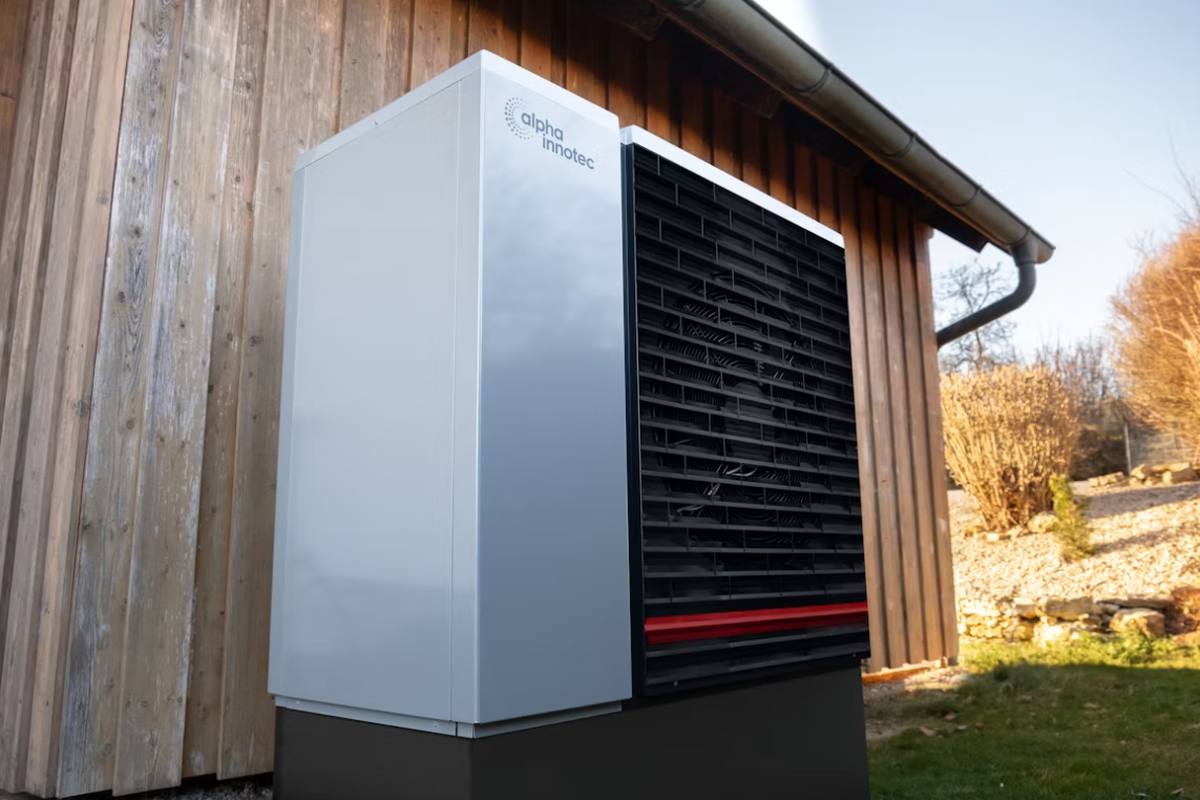
A heat pump does not make heat. It moves heat that already exists, which is exactly why it can deliver three or four units of warmth for every unit of electricity it drinks.