
How to Choose an HVAC Contractor: 12 Questions to Ask
Equipment brand accounts for a small share of how your system performs. Installation quality accounts for most of it. Screen the installer harder than the box.
Connect this button to your email provider (Mailchimp, ConvertKit or Beehiiv) to start collecting subscribers. The form endpoint goes here.
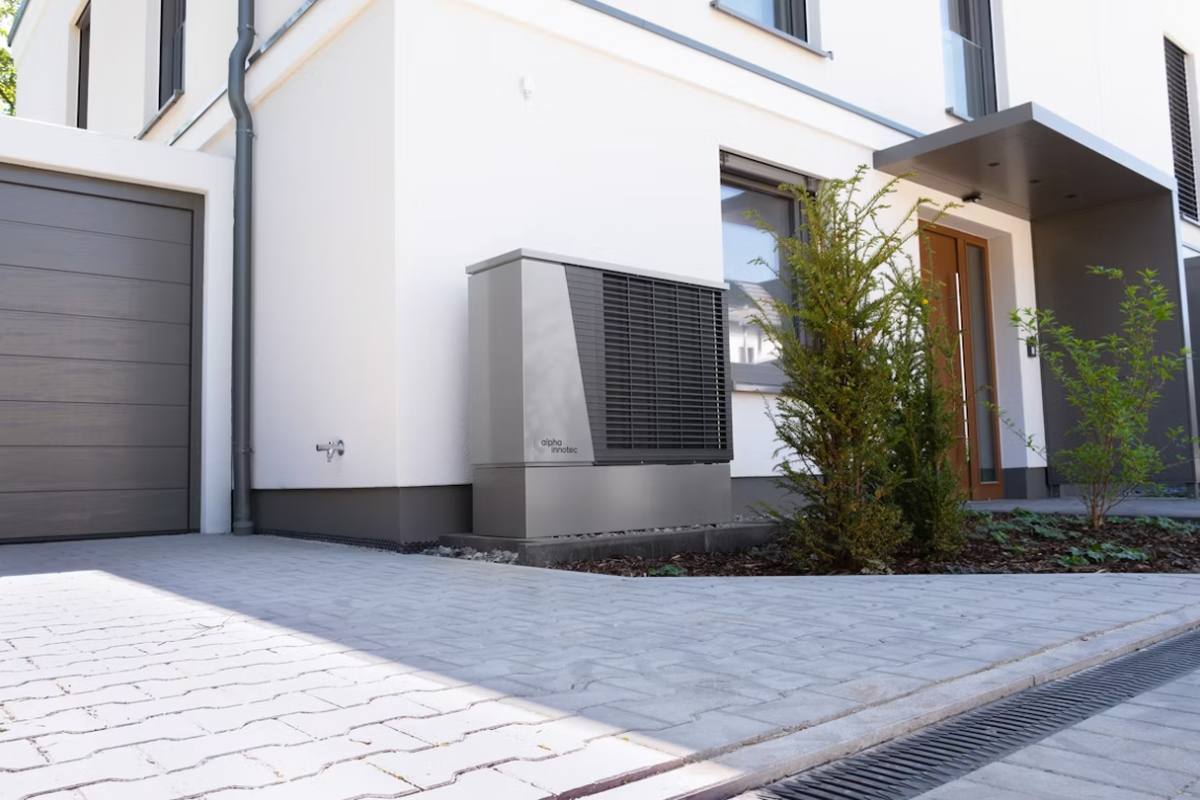
The federal 25C tax credit that used to cover part of a heat pump purchase expired on December 31, 2025. If you are installing in 2026, it does not apply to you, with one narrow exception below.
This page used to describe how to claim the federal credit. That credit no longer exists for new installations, and repeating the old process here would send you chasing money that is not available. Here is the current situation instead.
The Energy Efficient Home Improvement Credit, known by its tax code section as 25C, let homeowners claim 30% of the cost of a qualifying heat pump, up to $2,000 per year, against their federal tax bill. It applied to systems placed in service through the end of 2025.
The One Big Beautiful Bill Act, signed into law in July 2025, eliminated the 25C credit and the related Residential Clean Energy Credit (which covered geothermal heat pumps and solar) for anything placed in service after December 31, 2025. Neither credit is available for a system installed in 2026 or later, regardless of the equipment's efficiency rating.
The repeal was part of a broader federal tax and spending package, not a heat-pump-specific decision. It affected several residential energy credits at once, not just this one. There is no indication as of this writing that the credit will be reinstated, so plan your 2026 budget as if it will not return.
If your heat pump was placed in service on or before December 31, 2025, you can still claim the 25C credit on your 2025 federal tax return using IRS Form 5695, even if you are filing in 2026. "Placed in service" means installed and operational, not ordered or paid for. A system paid for in December 2025 but not commissioned until January 2026 falls on the wrong side of the line and does not qualify.
If you believe you qualify under this exception, confirm your specific situation with a tax professional before filing, since correctly documenting the placed-in-service date matters more than usual here.
Losing the federal credit does not mean there is no money on the table. State energy offices, individual utilities, and some municipal programs continue to run their own rebates and incentives, and those are unaffected by the federal repeal. Coverage varies enormously by state and even by utility territory within the same state, from a few hundred dollars to several thousand for income-qualified households.
These state and utility programs were always separate from the federal credit and often stacked with it. Now that the federal layer is gone, they are the only incentive layer left, which makes checking them before you sign a contract more valuable than it used to be, not less.
Tax credits reduce what you owe when you file. They arrive months after you pay the contractor and they generally require you to have tax liability to offset. The federal version is gone, but some states still run their own income tax credits for efficient equipment.
Rebates come from states, utilities or, in some cases, manufacturer promotions. Many are applied at the point of sale by a participating contractor, so you never front the money and never touch a tax form.
Where both exist in your area, they can still stack. Confirm the current rules for your specific state and utility rather than assuming last year's structure still applies, since program budgets and rules change year to year even at the state level.
State and utility programs generally set their own efficiency thresholds, defined by specific rating combinations that can differ by program. Two steps protect you:
Matched systems are certified as combinations. An outdoor unit paired with a different air handler than the one tested can fall below a program's threshold even if each component looks efficient on its own spec sheet.
Collect these regardless of which program you are pursuing. Losing paperwork after the fact is one of the most common reasons homeowners forfeit a rebate they actually qualified for.
Start with your state energy office's website and your electric utility's efficiency or demand-side management program page, since both commonly list current heat pump rebates directly. The Database of State Incentives for Renewables and Efficiency (DSIRE), maintained by North Carolina State University with support from the U.S. Department of Energy, is the most complete independent listing of state and utility programs and is worth checking even if your utility's own site seems current.
Is there any federal heat pump incentive left at all in 2026? Not for a purchase and installation. The two relevant residential credits, 25C and the Residential Clean Energy Credit, both ended December 31, 2025.
Could a new federal credit be introduced later in 2026? Possibly, since tax law changes, but nothing is currently in place. Do not factor a hypothetical future credit into your budget for a purchase you are making now.
Do state credits and rebates require the same paperwork as the old federal credit did? Not exactly the same, but similar. Keep the itemized invoice, model numbers, AHRI certificate reference, and permit and inspection records regardless of which program you apply to.
Homeowners who collect three written quotes typically save 12–18% on the same system. Tell us your ZIP and we will connect you with licensed installers in your area.
Every figure on this page is a range, not an average, and the distinction matters. A national average blends a garage mini split with a five-ton ducted replacement and describes neither. Ranges tell you where your own job is likely to land.
Found something out of date or contradicted by a quote you have in hand? Tell us — corrections are the messages we most want to receive.
Primary references for the figures and procedures on this page. Where a number here is a range drawn from field experience rather than a published measurement, it is labelled as such in the text.
Last checked September 2026 against the text of the One Big Beautiful Bill Act (P.L. 119-21) and IRS guidance on Form 5695. State and utility program details change independently of federal law; confirm current terms with your state energy office or utility before assuming a figure.
Equipment brand accounts for a small share of how your system performs. Installation quality accounts for most of it. Screen the installer harder than the box.

Installed prices run from $5,500 for a straightforward single-zone swap to $22,000 for a whole-home ducted system with electrical work. Here is what drives the difference.
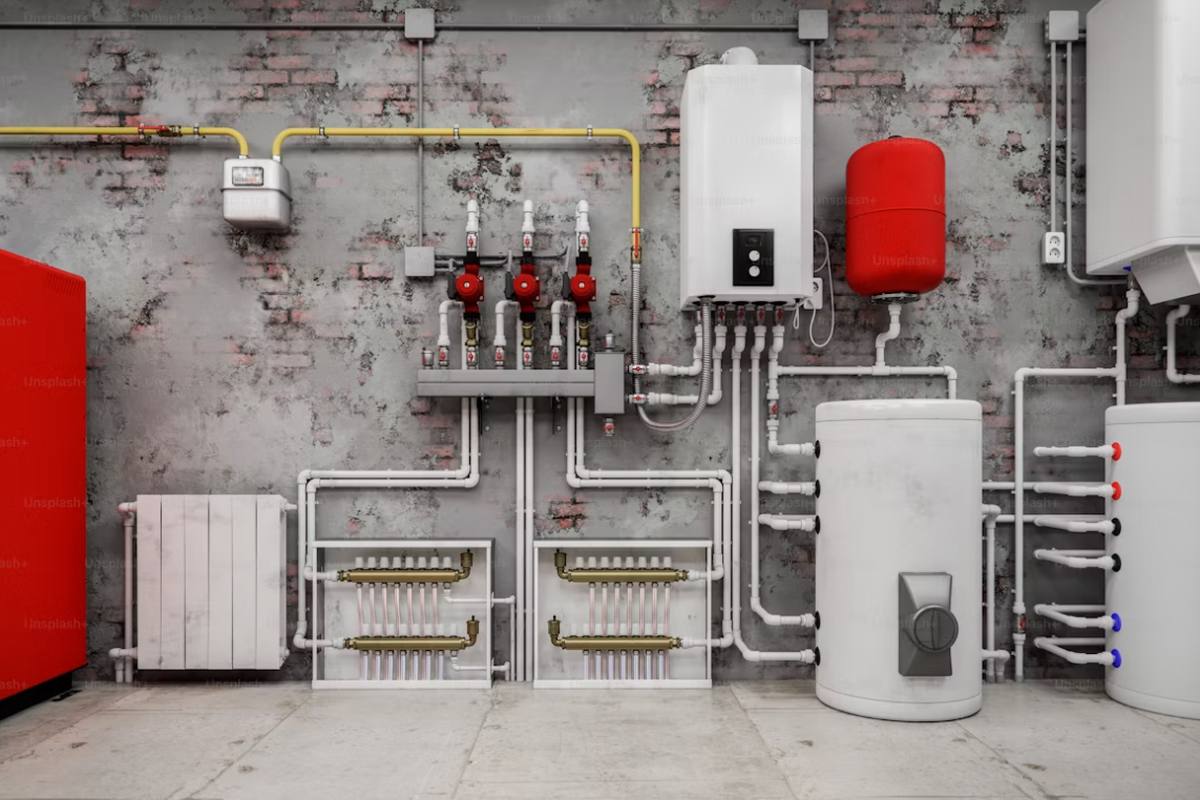
The comparison everyone gets wrong, because they compare efficiency percentages instead of comparing the price of a delivered BTU.
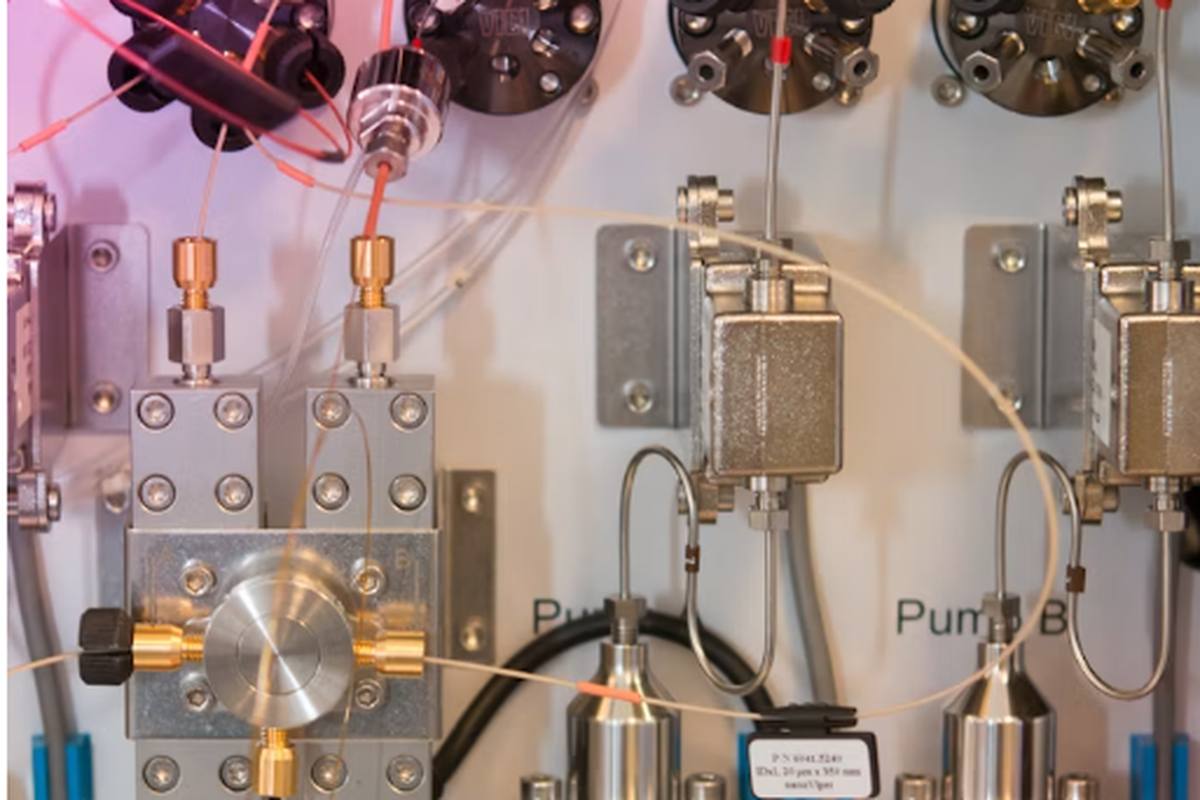
COP is the cleanest efficiency number in HVAC and the one manufacturers are least eager to put on the box. Here is how to read it.