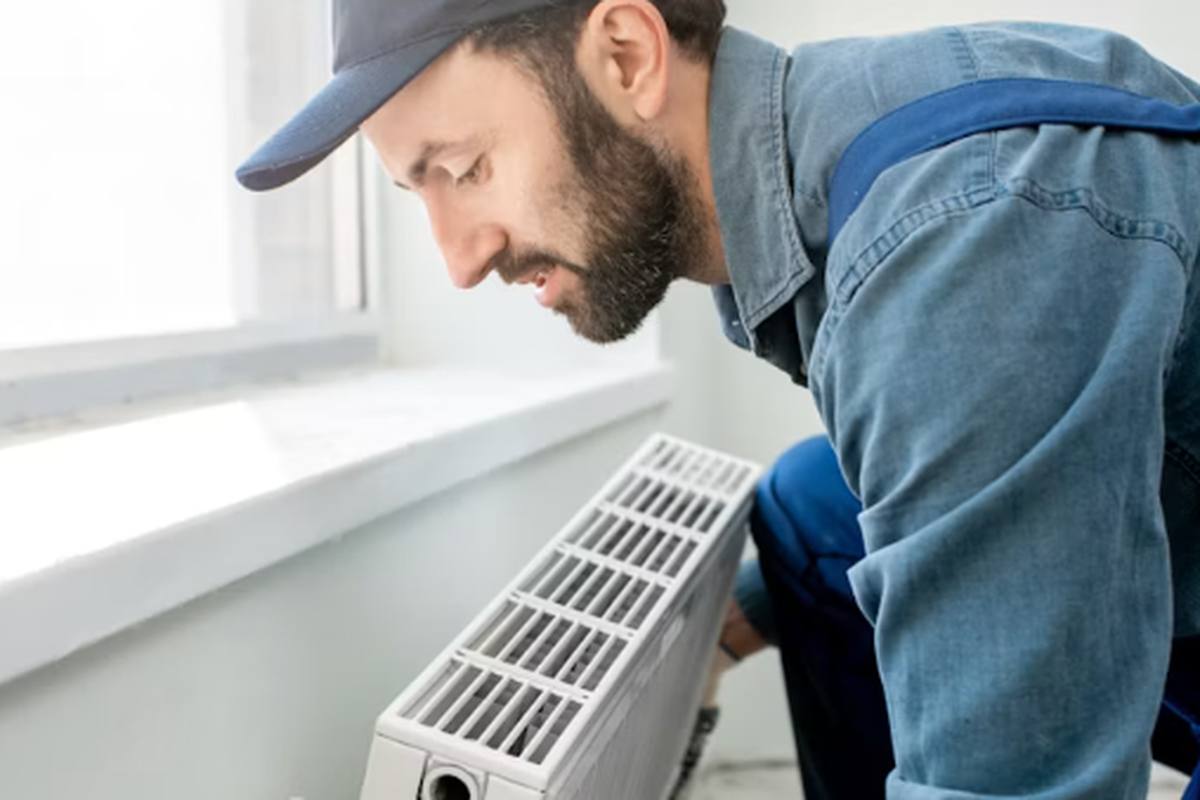
How to Choose an HVAC Contractor: 12 Questions to Ask
Equipment brand accounts for a small share of how your system performs. Installation quality accounts for most of it. Screen the installer harder than the box.
Connect this button to your email provider (Mailchimp, ConvertKit or Beehiiv) to start collecting subscribers. The form endpoint goes here.

The short answer is yes, and modern cold-climate units are rated to keep producing useful heat down to -13°F. The longer answer is about capacity, not failure.
This is the single most common objection homeowners raise, and it is based on real experience — with equipment sold in the 1990s. The technology moved on considerably.
Early heat pumps used single-stage compressors that lost capacity fast as temperatures dropped. Around 35°F they started leaning on electric backup heat, and by 25°F they were effectively expensive space heaters. Anyone who lived with one in Ohio in 1998 remembers the bills.
Variable-speed inverter compressors can spin faster in cold weather to compensate for the thinner heat available outdoors. Flash injection and vapor injection circuits let the refrigerant do more work per pass. The result is that a modern cold-climate model holds 70–100% of its rated capacity at 5°F, where a 2005 unit would have been at 40%.
Manufacturers publish capacity tables, not just a single rating. What you want to find is the heating capacity at your design temperature — the coldest hour your area typically sees. Two numbers matter:
A unit that carries a nominal 36,000 BTU rating at 47°F might only deliver 24,000 BTU at 5°F. If your house loses 30,000 BTU/h at design temperature, you have a gap that backup heat has to fill.
The outdoor temperature where your heat pump’s output exactly matches your home’s heat loss is called the balance point. Above it, the heat pump handles everything alone. Below it, something has to help. A well-designed system in a cold climate lands the balance point somewhere between 5°F and 20°F, meaning backup heat runs a handful of hours per winter rather than every night.
Two options. Electric resistance strips are cheap to install and expensive to run. A dual-fuel setup keeps your existing gas furnace and switches to it below a set temperature — more expensive up front, much cheaper at 0°F if you have gas service.
Some homeowners, sometimes on the advice of an installer more comfortable with furnaces, manually switch to emergency heat during the coldest stretch of winter, believing it protects the system or heats the house faster. For a heat pump that is working correctly, this is a mistake. Emergency heat shuts the outdoor unit off entirely and runs the house on electric resistance strips alone, which costs roughly two to three times more than letting the heat pump keep running with auxiliary heat topping it up as needed. Modern thermostats already bring in auxiliary heat automatically when the heat pump alone cannot keep up, so manual intervention is rarely necessary. Emergency heat exists for when the outdoor unit has actually failed and you need heat while waiting for a repair, not as a preemptive move for a cold night.
Cold-climate heat pumps work. Whether they work economically depends on your electricity price. At $0.12/kWh a heat pump beats almost anything. At $0.32/kWh in a New England winter, the math against natural gas gets tight, and a dual-fuel system is usually the right answer.
How cold is too cold for a heat pump to work at all? There is no universal cutoff. Quality cold-climate units are commonly rated to operate down to -13°F or lower, though how much of the house's heat load they can cover alone at that temperature depends on your specific balance point, not just the equipment's minimum operating temperature.
Will my heat pump ice over constantly in a hard freeze? Some frost is normal and clears through the automatic defrost cycle. Heavy ice that does not clear points to a separate problem, not simply cold weather doing its job.
Does a heat pump lose capacity permanently in extreme cold, or just temporarily? Temporarily. Capacity drops as outdoor temperature drops and recovers as temperatures rise, following the manufacturer's published capacity curve. It is not cumulative damage from one cold night.
Diagnostic steps here are ordered by how often each cause turns out to be the answer, not by how serious it is. That is deliberate: working the common causes first is what saves you a service call, and the rare-but-severe ones are flagged where they apply.
Primary references for the figures and procedures on this page. Where a number here is a range drawn from field experience rather than a published measurement, it is labelled as such in the text.
Last checked September 2026. Prices and capacity figures are typical for current US cold-climate models; confirm specifics for your exact model.
Equipment brand accounts for a small share of how your system performs. Installation quality accounts for most of it. Screen the installer harder than the box.
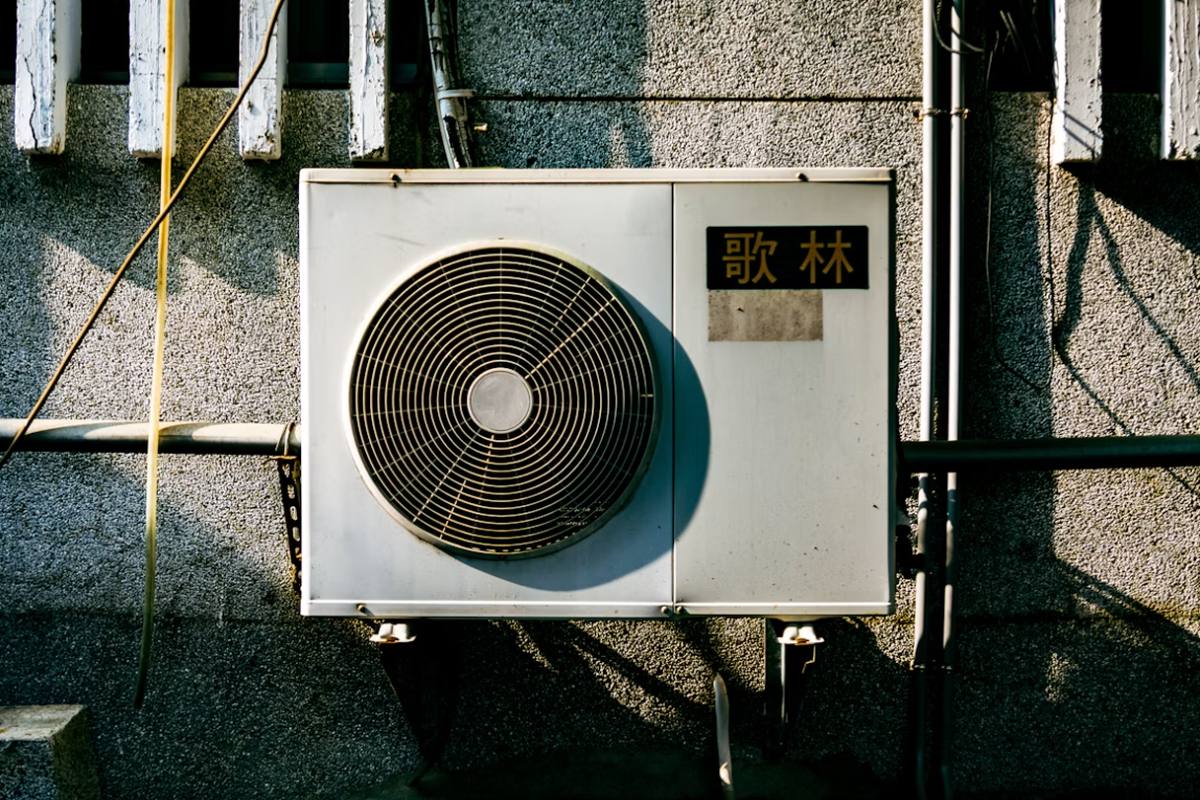
Start with the two possibilities that are completely normal, then work through the five that are not. Most cases resolve without a service call.
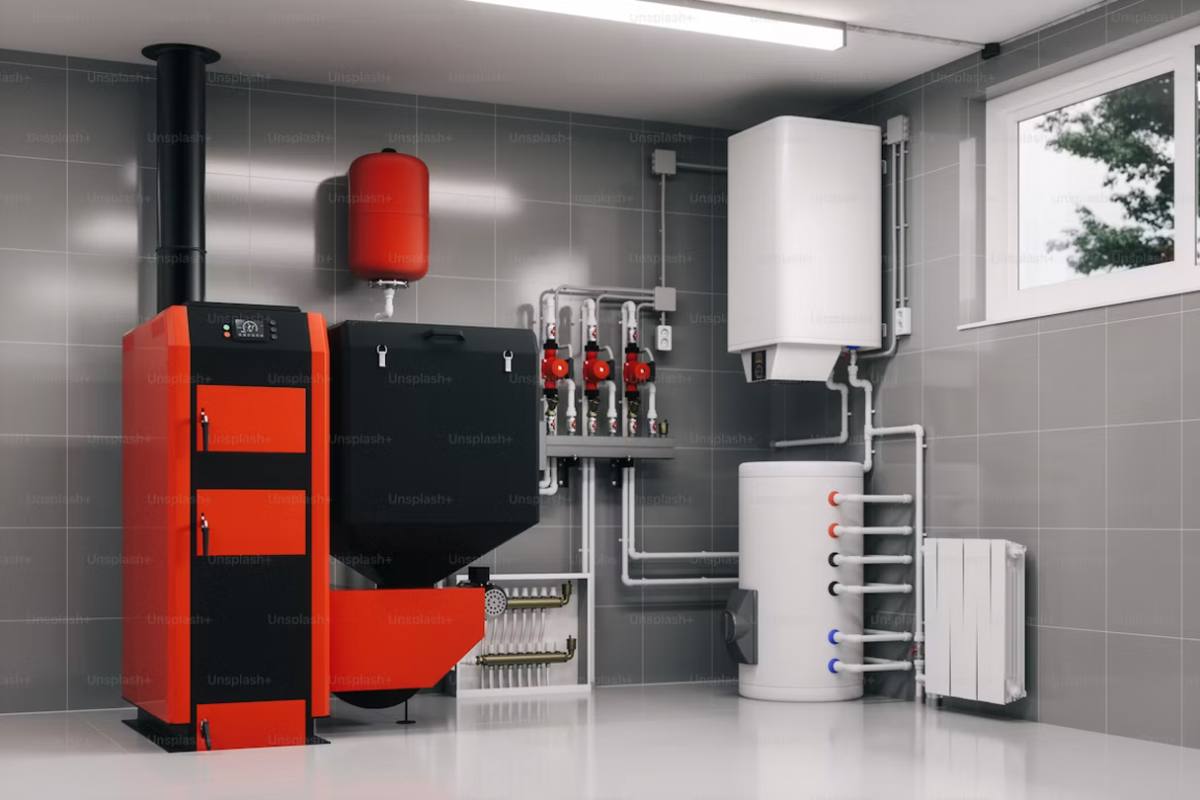
Mitsubishi reports faults as two-character codes and as LED blink patterns. Here is how to retrieve a code and what the major families of codes point to.
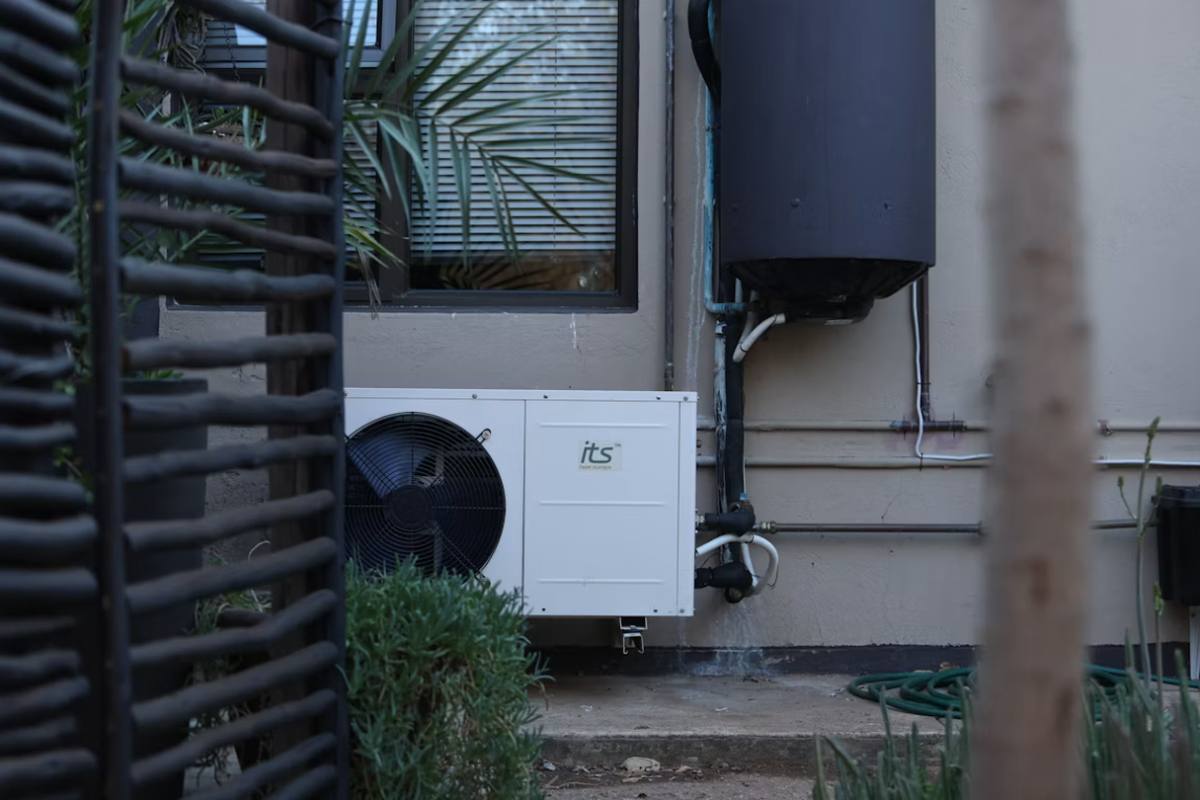
A light coating of frost in winter is expected. A block of ice encasing the coil or ice on the top of the unit is a problem you should not ignore.