
How to Choose an HVAC Contractor: 12 Questions to Ask
Equipment brand accounts for a small share of how your system performs. Installation quality accounts for most of it. Screen the installer harder than the box.
Connect this button to your email provider (Mailchimp, ConvertKit or Beehiiv) to start collecting subscribers. The form endpoint goes here.
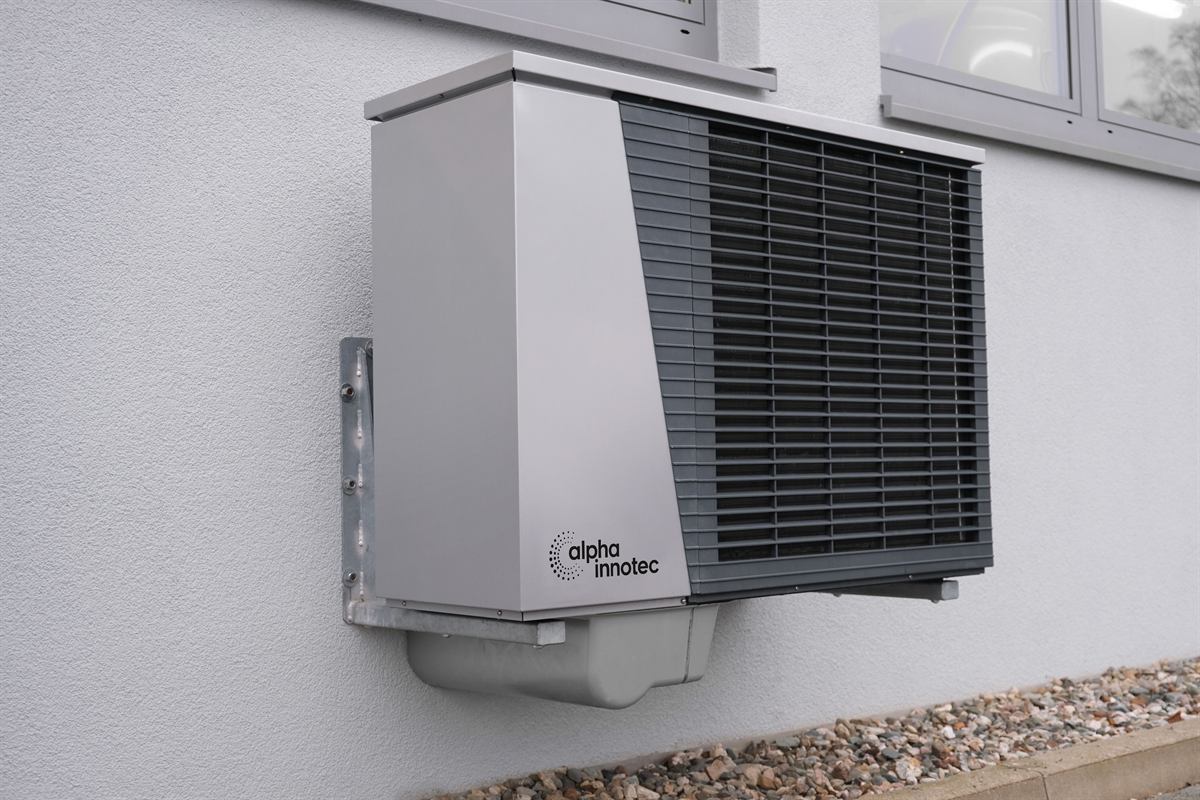
Contractors use these terms assuming you already know them. Here is what each one measures, and which ones actually change what you pay.
HVAC quotes and spec sheets are full of acronyms, and contractors use them assuming you already know what they mean. Here is what each one actually measures, in the order you are most likely to run into them.
COP (Coefficient of Performance). The cleanest efficiency number there is: heat delivered divided by electricity consumed, both in the same units. A COP of 3.5 means the unit moves 3.5 units of heat for every unit of electricity it draws. COP is measured at one specific outdoor temperature, so a COP quoted without the temperature it was measured at is close to meaningless. It falls as it gets colder. We cover this in depth in what COP means and what number is good.
SEER2 (Seasonal Energy Efficiency Ratio 2). Seasonal cooling efficiency across a whole cooling season, including part-load operation. Higher is better. The "2" matters: since 2023, ratings use the M1 test procedure, which raises the external static pressure the equipment is tested against by a factor of five, from 0.1 to 0.5 inches of water, to better reflect real duct systems. Because the test is harder, SEER2 numbers run roughly 5% lower than the old SEER figures for the same equipment.
EER2 (Energy Efficiency Ratio 2). Cooling efficiency at one defined high-load condition rather than across a season. It tells you how the unit behaves on a genuinely hot day, which is why it matters more than SEER2 in desert climates.
HSPF2 (Heating Seasonal Performance Factor 2). The heating equivalent of SEER2, measuring seasonal heating efficiency including defrost cycles and part-load behavior. Also moved to the M1 procedure, and the change hit heating harder: HSPF2 figures run roughly 15% lower than the old HSPF numbers for the same unit. Comparing an HSPF number from an old brochure against an HSPF2 number from a new one will mislead you badly.
AFUE (Annual Fuel Utilization Efficiency). A furnace number, not a heat pump number, expressed as a percentage of fuel converted to useful heat. A 95% AFUE furnace turns 95% of the gas into heat. Unlike SEER2 and HSPF2, the AFUE test procedure was not overhauled in 2023. AFUE measures only the furnace itself: duct losses, blower electricity and cycling losses fall outside it, which is one reason a 95% AFUE furnace does not deliver 95% of its fuel value to your rooms.
BTU (British Thermal Unit). A unit of heat energy. In HVAC it is nearly always quoted as BTU per hour, a rate rather than a quantity, even when people write it as just "BTU."
Ton. 12,000 BTU per hour of capacity. A three-ton system is a 36,000 BTU/h system. The term comes from the cooling power of a ton of melting ice and has nothing to do with the weight of the equipment.
Manual J. The ACCA standard load calculation that models your specific house room by room, accounting for insulation, window area and type, orientation, air leakage and occupancy. It produces a heating load and a cooling load in BTU/h. It is the only defensible basis for sizing, and it typically lands within 10-15% of the real load where square-footage rules of thumb vary by 25-50%. See our sizing guide for how to use it.
Manual S. The companion standard that selects specific equipment to match the Manual J result. Manual J tells you the load; Manual S tells you which model actually meets it at your design conditions. A contractor who runs Manual J and then ignores it during equipment selection has done half the job.
Manual D. The duct design standard. Relevant when ductwork is being modified or replaced, and the reason a system can be correctly sized and still underperform.
Balance point. The outdoor temperature at which your heat pump's output exactly matches the house's heat loss. Below it, the heat pump alone cannot keep up and backup heat starts contributing. Commonly falls somewhere around 25-35°F, though it depends entirely on the house and the equipment.
Auxiliary heat (aux heat). Supplemental heat, usually electric resistance strips, that runs alongside the compressor when the heat pump cannot meet the load on its own. It costs substantially more per unit of heat than compressor heating, which is why aux heat running constantly is worth investigating.
Emergency heat (em heat). Different from aux heat, and frequently confused with it. Emergency heat shuts the compressor off entirely and runs on backup alone. It exists for when the heat pump is broken, not for when it is cold. Switching to it during a cold snap is one of the more expensive mistakes a homeowner can make.
Defrost cycle. A normal, automatic routine where the system briefly reverses to melt frost off the outdoor coil. The outdoor fan stops, the indoor unit may blow cooler air, and steam is often visible. Typically runs 5-15 minutes. Covered in when a frozen outdoor unit is normal.
Lockout temperature. A thermostat setting that prevents auxiliary heat from engaging above a chosen outdoor temperature, so strip heat cannot run on a mild day.
Reversing valve. The component that lets a heat pump run in both directions, sending hot refrigerant outdoors for cooling or indoors for heating. Its position is what makes a heat pump a heat pump rather than an air conditioner.
Inverter / variable speed. A compressor that modulates its output continuously rather than cycling fully on and off. It runs longer at lower power, which improves efficiency, comfort and humidity control. Most modern high-efficiency and ductless systems are inverter-driven.
AHRI-matched pair. An indoor and outdoor unit combination that has been tested together and certified by AHRI. Efficiency ratings apply to the pair, not to either unit alone, so a mismatched pair does not deliver the rated performance and can void warranty coverage.
Air handler. The indoor unit in a ducted system, containing the blower and the indoor coil. In a system with a furnace, the furnace's blower does this job instead.
Line set. The pair of insulated copper refrigerant lines connecting the indoor and outdoor units.
Micron / evacuation. Before charging, the line set must be evacuated to remove air and moisture, measured in microns of vacuum. A target around 500 microns is the common benchmark. Skipping or rushing this step causes failures that surface years later.
Subcooling and superheat. Two measurements technicians use to verify the refrigerant charge is correct. A contractor who charges "by feel" rather than by measuring one of these is guessing.
Static pressure. The resistance the blower works against in the duct system, measured in inches of water column. High static pressure starves the system of airflow and is a common reason a correctly sized system underperforms.
R-410A. The refrigerant used in most residential systems installed over the past two decades. Being phased down under US regulations because of its high global warming potential.
R-32 and R-454B. The replacements now appearing in new equipment. Both are classified A2L, meaning mildly flammable, which brings different handling requirements and in some cases different installation rules. They are not drop-in replacements for R-410A.
EPA Section 608. The federal certification required to handle refrigerant. It is why refrigerant work is not a legal DIY task regardless of your skill level.
25C. The federal residential energy efficiency tax credit that expired December 31, 2025. See what replaced it.
HEAR / HEEHRA. The Inflation Reduction Act's Home Electrification and Appliance Rebates program, administered by each state rather than federally, and income-restricted based on Area Median Income. Covered in rebates by state.
AMI (Area Median Income). The local median household income used to determine eligibility for income-restricted rebate programs. It is county-specific, so the same income can qualify in one place and not in another.
NATE. North American Technician Excellence, an industry certification a technician earns through field experience and exams. Not legally required in most places, and plenty of good technicians work without it, but it is a verifiable credential rather than a claim.
Why do SEER2 and HSPF2 numbers look worse than the SEER and HSPF numbers I remember? Because the test got harder in 2023, not because the equipment got worse. The M1 procedure tests against five times the external static pressure. Expect roughly 5% lower for cooling and roughly 15% lower for heating on the same unit.
Is a higher SEER2 always worth paying for? Not automatically. The efficiency gain is real but shrinks as you climb, and installation quality moves your actual bill more than a two-point spec difference does. In a mild climate with low cooling hours, the payback on the top tier is often long.
What is the difference between auxiliary heat and emergency heat? Auxiliary heat runs alongside the compressor when it cannot keep up. Emergency heat shuts the compressor off and runs on backup alone. Aux is automatic and sometimes appropriate; em heat is a manual setting for when the heat pump is broken.
Homeowners who collect three written quotes typically save 12–18% on the same system. Tell us your ZIP and we will connect you with licensed installers in your area.
Diagnostic steps here are ordered by how often each cause turns out to be the answer, not by how serious it is. That is deliberate: working the common causes first is what saves you a service call, and the rare-but-severe ones are flagged where they apply.
Primary references for the figures and procedures on this page. Where a number here is a range drawn from field experience rather than a published measurement, it is labelled as such in the text.
Last checked September 2026. Rebate amounts and program status change frequently; always confirm against the official program page before you sign a contract.
Equipment brand accounts for a small share of how your system performs. Installation quality accounts for most of it. Screen the installer harder than the box.

Installed prices run from $5,500 for a straightforward single-zone swap to $22,000 for a whole-home ducted system with electrical work. Here is what drives the difference.

The first zone carries the outdoor unit and most of the labor. Every zone after that is comparatively cheap — until you cross the multi-head threshold.

The short answer is yes, and modern cold-climate units are rated to keep producing useful heat down to -13°F. The longer answer is about capacity, not failure.