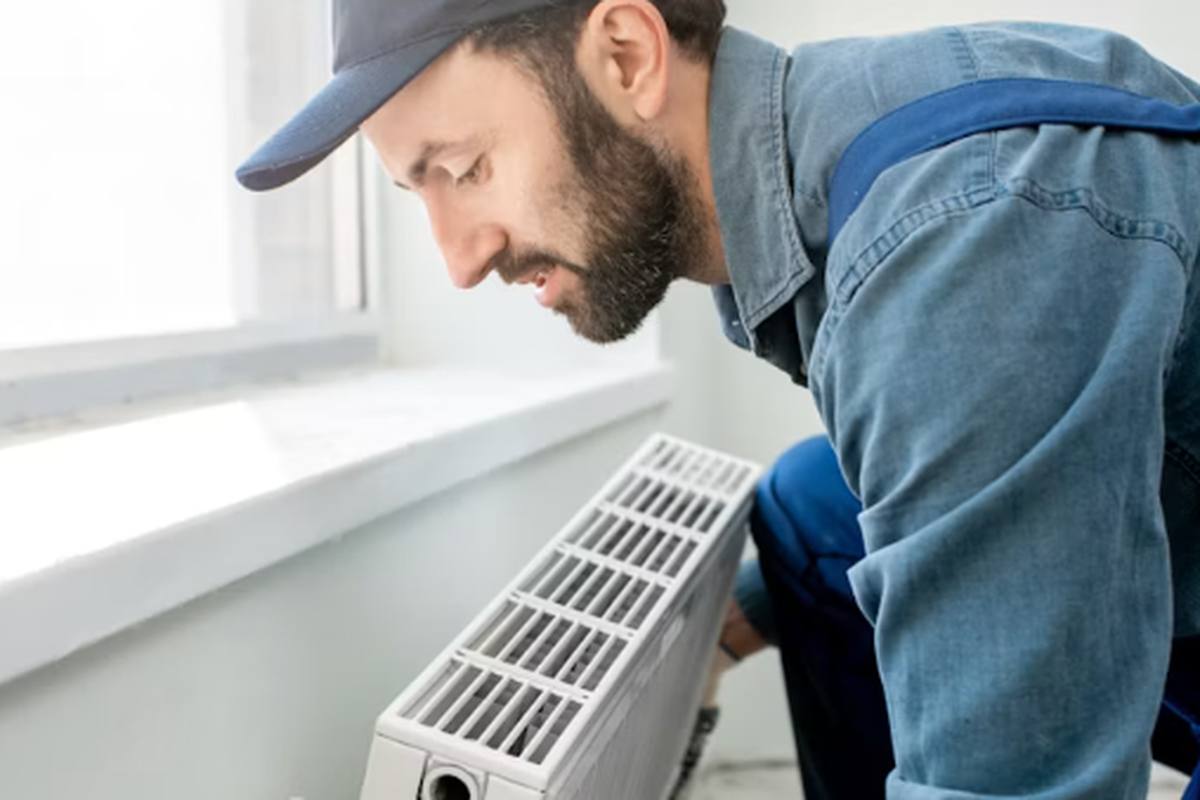
How to Choose an HVAC Contractor: 12 Questions to Ask
Equipment brand accounts for a small share of how your system performs. Installation quality accounts for most of it. Screen the installer harder than the box.
Connect this button to your email provider (Mailchimp, ConvertKit or Beehiiv) to start collecting subscribers. The form endpoint goes here.
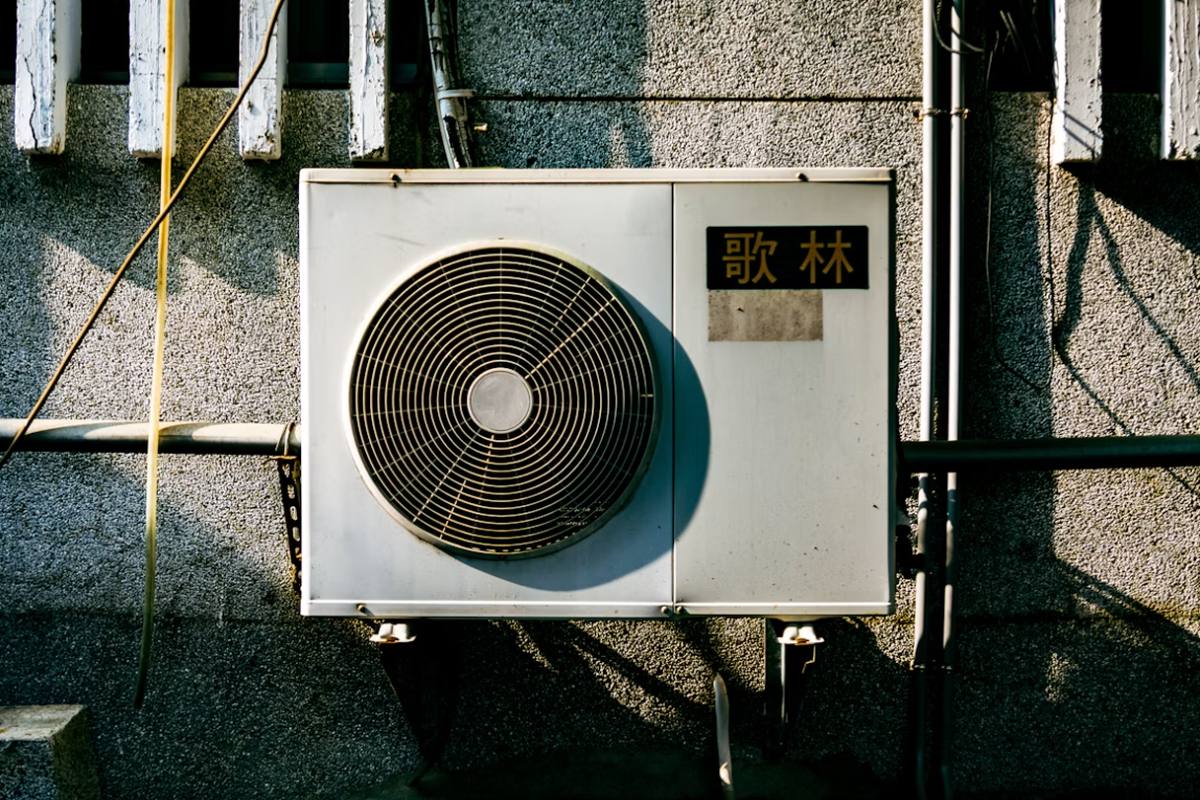
Start with the two possibilities that are completely normal, then work through the five that are not. Most cases resolve without a service call.
Cool air from the vents in heating mode is alarming, but heat pumps genuinely deliver air at a lower temperature than a furnace does — typically 90–105°F rather than 130°F. Air at 95°F feels cool against 98.6°F skin even though it is heating the room perfectly well.
Confirm the thermostat reads Heat, not Cool or Auto, and that the fan is set to Auto rather than On, since a fan running constantly pulls in room-temperature air between heating cycles and feels cold by comparison. Most thermostats also include a compressor protection delay, commonly up to 5 minutes, that deliberately holds off sending power to the outdoor unit after any mode change or power interruption; a waiting or delay message during this window is normal, not a fault. Once past that, give it a full 20 minutes and check whether the room is gradually warming rather than expecting an immediate change. If it is not, work through the causes below in order, since they are ranked from most to least common.
Every so often in cold, damp weather the outdoor coil ices up and the system briefly reverses into cooling mode to melt it. During those 5–15 minutes the indoor air goes cool and the outdoor unit may steam dramatically. This is designed behavior. If it happens every 20 minutes, that is not.
Hold a thermometer in the supply register. Anything above about 85°F while the compressor is running steadily is normal operation, not a fault.
Why is my heat pump blowing cold air on the heat setting? In most cases one of two harmless things: a defrost cycle, which lasts a few minutes and ends on its own, or supply air that is simply cooler than your skin and therefore feels cold without being a fault. Work through the five-minute check above before assuming a failure. If the air is genuinely cold rather than merely cool, and stays that way beyond fifteen minutes, move to the reversing valve and refrigerant sections.
How long should the cold air last during a defrost cycle? Five to fifteen minutes, recurring somewhere between every 30 and 90 minutes in the conditions that cause frost. Noticeably longer than that, or far more frequently, and defrost itself is the thing to investigate.
Should I switch to emergency heat while I wait for a technician? If the house is genuinely cold, yes. Emergency heat bypasses the outdoor unit and runs on resistance strips, so it heats regardless of what the heat pump is doing. Just know it costs roughly two to five times more to run, so switch back once the system is repaired.
Check that it reads Heat and not Cool or Auto. Auto mode with a narrow deadband can cycle into cooling on a sunny afternoon.
If the system blows genuinely cold air continuously and the outdoor unit is running, the reversing valve may have failed or its solenoid may have lost power. This one requires a technician. Repair cost typically lands between $400 and $1,300 depending on whether the valve body itself must be replaced.
A leak reduces capacity until the system can no longer produce meaningful heat. Symptoms include long run times, ice on the lines and a gradual decline over weeks. Refrigerant does not get consumed — if it is low, there is a leak, and topping it off without finding the leak is money spent twice.
Snow drifts, leaves and a coil encased in ice all stop the unit from absorbing heat. Clear the area, and never chip ice off the coil with anything hard. Warm water or the unit’s own defrost cycle is the safe approach.
On the coldest days the heat pump alone may not keep up, and if the backup element or its relay has failed, the house drifts colder while the vents blow air that is technically warm but insufficient. Check whether the aux indicator is lit while the temperature falls.
You see ice that does not clear after a defrost cycle, hear grinding or screeching from the outdoor unit, smell burning, or the breaker trips repeatedly. Do not keep resetting a breaker that trips.
These are the two causes on the list that get confused most often, and they behave differently enough that you can usually separate them from the ground without a gauge set.
A stuck reversing valve produces air conditioning. The air from the registers is actively cold, the outdoor unit blows warm, and the system is heating your garden instead of your house. It often announces itself with a loud hiss or a clunk when the system tries to change mode.
Low refrigerant produces weak heat rather than cold. Supply air is lukewarm, the system runs continuously without reaching setpoint, and auxiliary heat engages far more than it should. Frost on the outdoor coil in mild weather points the same direction.
Neither is a homeowner repair. The distinction matters because it tells you how urgent the call is: a reversing valve stuck in cooling during a hard freeze can put your pipes at risk if you leave it running, while a low charge is expensive but not an emergency.
Is it normal for a heat pump to feel cooler than a furnace even when working correctly? Yes. This is the single most common reason people think their heat pump is broken when it is not. A furnace delivers noticeably hotter air, so switching from one to the other, or comparing notes with a neighbor who has a furnace, can make correctly functioning heat pump air feel wrong by comparison.
Could a recent power outage explain this? Yes, indirectly. After a power interruption most systems enforce a compressor protection delay of several minutes before the outdoor unit is allowed to restart, during which the indoor fan can run without heat behind it. Give it time before assuming a fault.
Does this happen more with mini splits than ducted systems? The underlying causes are the same, but a mini split makes the airflow more noticeable since the head is often close to where people sit, so brief defrost cycles or fan-only moments tend to get noticed and reported more with mini splits even though the system is behaving normally.
Diagnostic steps here are ordered by how often each cause turns out to be the answer, not by how serious it is. That is deliberate: working the common causes first is what saves you a service call, and the rare-but-severe ones are flagged where they apply.
Primary references for the figures and procedures on this page. Where a number here is a range drawn from field experience rather than a published measurement, it is labelled as such in the text.
Last checked September 2026. Prices are US ranges and vary by region — always confirm against written quotes.
Equipment brand accounts for a small share of how your system performs. Installation quality accounts for most of it. Screen the installer harder than the box.
Start with the two possibilities that are completely normal, then work through the five that are not. Most cases resolve without a service call.
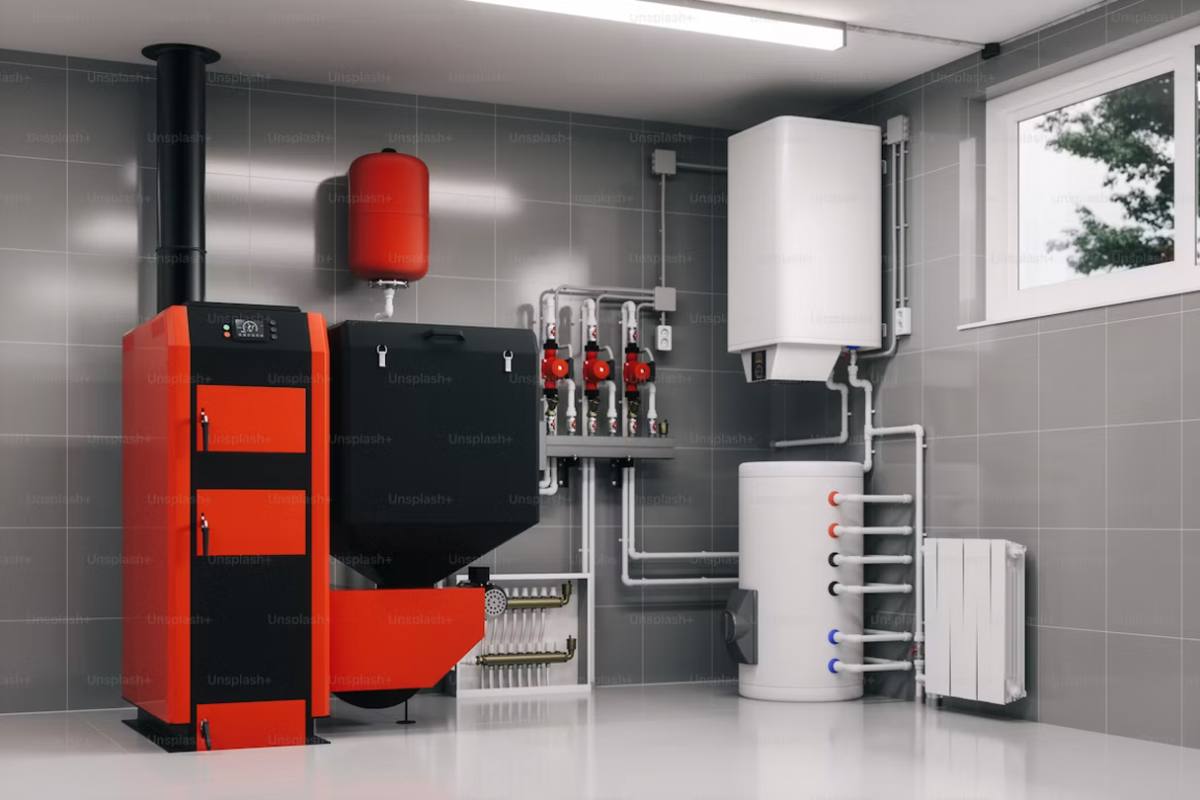
Mitsubishi reports faults as two-character codes and as LED blink patterns. Here is how to retrieve a code and what the major families of codes point to.
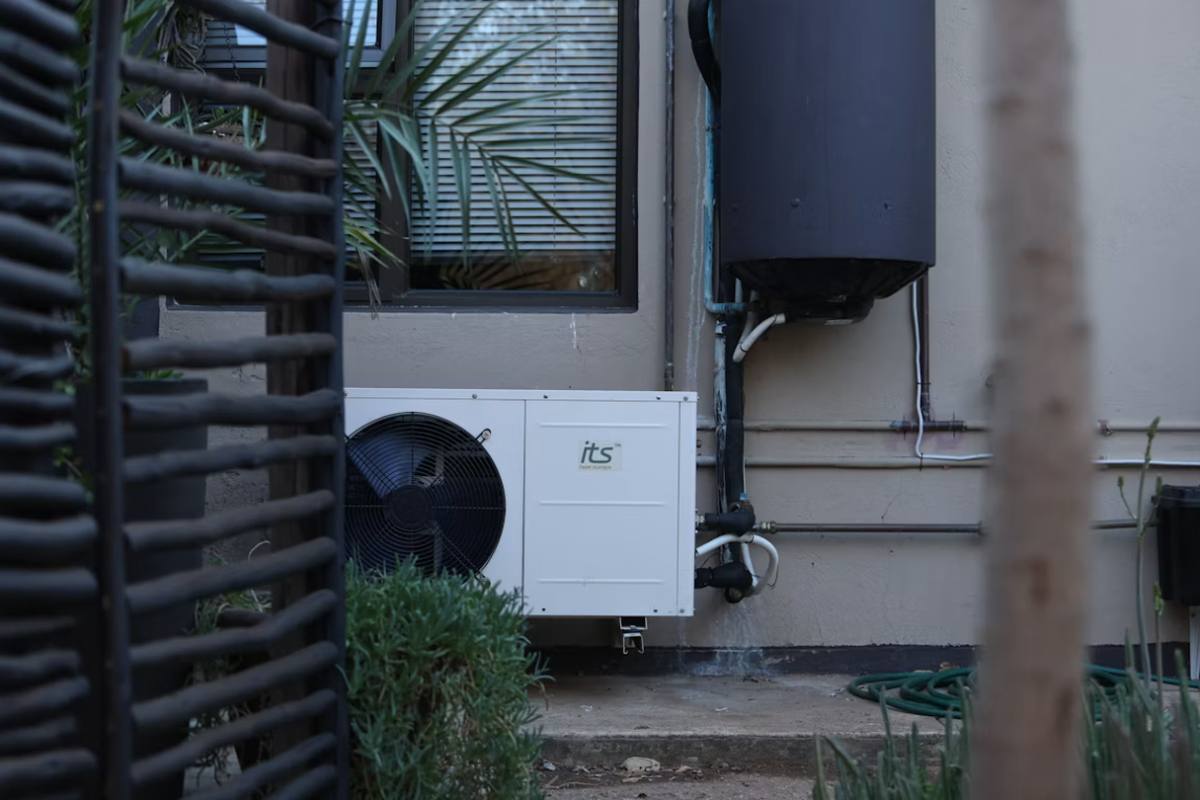
A light coating of frost in winter is expected. A block of ice encasing the coil or ice on the top of the unit is a problem you should not ignore.