
How to Choose an HVAC Contractor: 12 Questions to Ask
Equipment brand accounts for a small share of how your system performs. Installation quality accounts for most of it. Screen the installer harder than the box.
Connect this button to your email provider (Mailchimp, ConvertKit or Beehiiv) to start collecting subscribers. The form endpoint goes here.
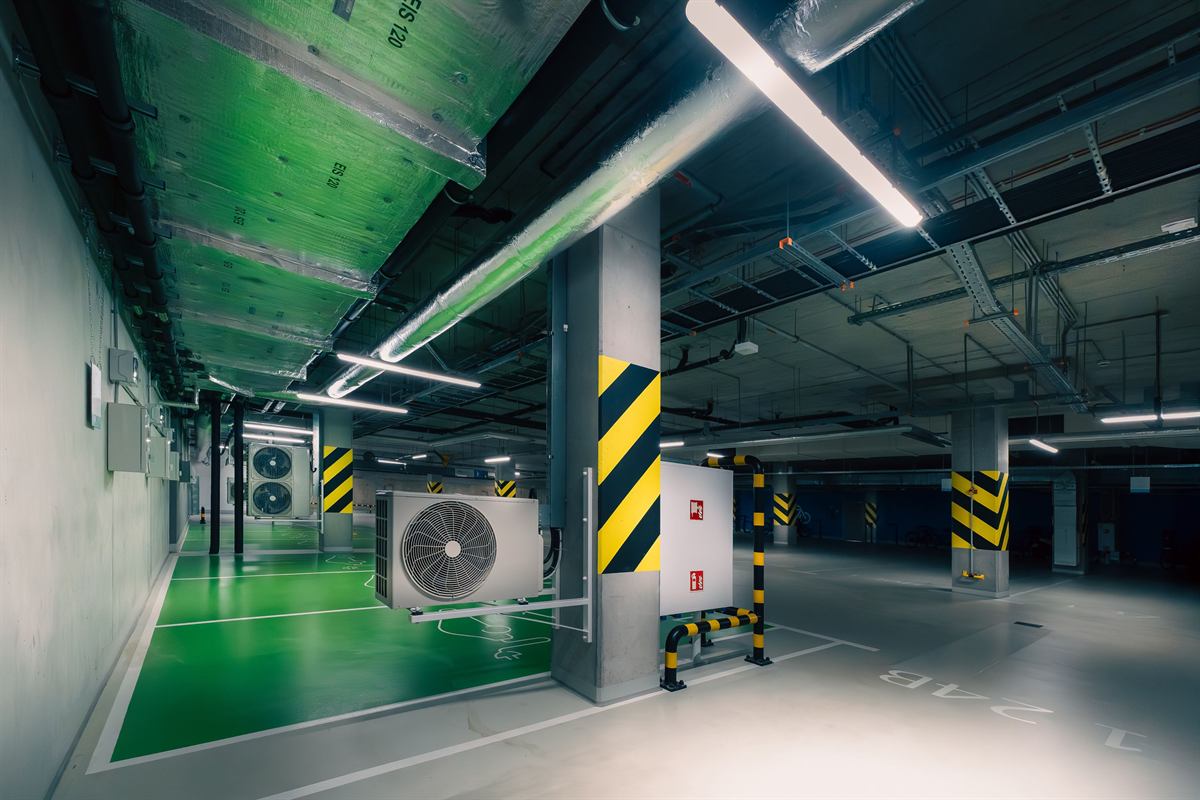
Your heat pump periodically stops heating your house to melt ice off the outdoor coil. Nearly everything alarming about that is the system working correctly.
Every air-source heat pump builds frost on its outdoor coil in cold, damp weather, and every one of them periodically stops heating your house in order to melt it off. That interruption is the defrost cycle, and almost everything homeowners find alarming about it is the system working exactly as designed.
This page explains what happens mechanically, what the two control strategies are, what is normal to see and hear, and the specific signs that a defrost problem is real. If you are looking at a unit encased in ice right now, start with when a frozen outdoor unit is normal instead.
In heating, your outdoor coil is colder than the outdoor air, because it is pulling heat out of that air. When outdoor air is humid and near freezing, moisture condenses on the coil and freezes there. Frost insulates the coil, and an insulated coil cannot absorb heat, so capacity falls and keeps falling until the frost is removed.
The system removes it by briefly becoming an air conditioner. The reversing valve switches, hot high-pressure refrigerant flows out to the outdoor coil instead of the indoor one, and the ice melts from the inside out. Three things happen at the same time:
When the coil is clear, the valve switches back and normal heating resumes.
There are two control strategies, and which one you have affects both your bills and how often you notice the cycle.
Time and temperature defrost. The older and simpler method. A sensor on the outdoor coil closes when the coil drops below a set temperature, which starts a timer. Once the system has accumulated a set run time, commonly 30, 60 or 90 minutes depending on how the board is configured, it defrosts whether or not meaningful frost has actually formed. It is cheap and reliable, and it wastes energy defrosting a coil that did not need it.
Demand defrost. The newer approach, standard on most quality equipment now. Sensors compare coil temperature against outdoor air temperature to infer how much frost has actually accumulated, and defrost is triggered only when it is genuinely needed. Fewer unnecessary cycles means better seasonal efficiency and less wear on the compressor and reversing valve.
Either way, the cycle ends the same: it terminates when the coil sensor reaches a target temperature, commonly around 57°F, or when a maximum time limit expires, whichever comes first. That time limit is a safety net so a failed sensor cannot leave the system stuck in cooling mode indefinitely.
| What you notice | Why |
|---|---|
| A loud whoosh or clunk when it starts and ends | The reversing valve shifting. Distinctive and normal. |
| Steam or fog rising off the outdoor unit | Melting ice meeting cold air. Frequently mistaken for smoke. |
| The outdoor fan stopping while the compressor keeps running | Intentional, as described above. |
| Supply air feeling neutral rather than warm | Backup heat is tempering air while the indoor coil is cold. |
| A puddle or ice patch under the unit afterwards | Melt water draining. Expected. |
| The cycle running 5 to 15 minutes | Typical duration, with most units finishing closer to the middle of that range. |
| Defrosting every 30 to 90 minutes in cold, damp weather | Normal frequency range. |
Four patterns are worth acting on:
The cycle runs much longer than 15 minutes, or does not end. A cycle stretching past 20 minutes, or one that only ends when you cut power, points at a failed termination sensor, a stuck reversing valve or a control board fault. The system is running in cooling mode in winter while it does this.
It defrosts constantly. Cycles every 20 minutes or less, repeatedly, are not normal even in bad weather. Common causes are a failed sensor calling for defrost that is not needed, low refrigerant charge, or restricted airflow across the outdoor coil.
It never defrosts and ice keeps building. The opposite failure. If the coil is accumulating a solid layer of ice and you never observe a defrost cycle, the control is not initiating one. Ice thick enough to encase the coil or sit on top of the unit is not something to wait out.
Water refreezes into a growing ice slab underneath. Usually a drainage problem rather than a defrost problem: melt water that cannot escape refreezes and eventually reaches the coil. Blocked drainage under the unit, or a unit mounted too close to the ground, are the usual causes.
Every defrost cycle costs you twice: the heat you paid for gets pushed back outside to melt ice, and backup heat runs to cover the gap. This is already accounted for in the HSPF2 rating, which measures seasonal performance including defrost, and it is one reason seasonal efficiency in a cold damp climate lands below the headline COP figure measured at a single temperature.
It is also why demand defrost is worth having. A system defrosting on a fixed timer in mild, dry conditions is spending energy on a problem it does not have. If you are choosing equipment, this is a specification worth asking about, and our brand comparison covers where it tends to show up.
How often should a heat pump defrost? Every 30 to 90 minutes of runtime in cold, damp conditions, and rarely or never in dry or mild weather. Frequency scales with humidity and how close the outdoor temperature is to freezing, so the worst frosting conditions are damp weather right around 30 to 35°F, not the coldest days of the year.
Should I hear the system change sound during defrost? Yes. The reversing valve makes a pronounced whoosh or clunk at both the start and end of the cycle. Its absence, combined with ice accumulating, suggests the valve or its solenoid is not shifting.
Is steam coming off my outdoor unit a problem? No. Melting ice meeting cold air produces visible vapour, and it clears within a few minutes of the cycle ending. Smoke, by contrast, is dark, smells acrid, and is covered in burning smells.
Can I stop my system from defrosting to save energy? No, and you would not want to. Defrost exists because a frosted coil cannot absorb heat. Disabling it does not save energy, it removes the system's ability to heat at all in the conditions where you need it most.
Homeowners who collect three written quotes typically save 12–18% on the same system. Tell us your ZIP and we will connect you with licensed installers in your area.
Diagnostic steps here are ordered by how often each cause turns out to be the answer, not by how serious it is. That is deliberate: working the common causes first is what saves you a service call, and the rare-but-severe ones are flagged where they apply.
Primary references for the figures and procedures on this page. Where a number here is a range drawn from field experience rather than a published measurement, it is labelled as such in the text.
Last checked September 2026. Rebate amounts and program status change frequently; always confirm against the official program page before you sign a contract.
Equipment brand accounts for a small share of how your system performs. Installation quality accounts for most of it. Screen the installer harder than the box.

Installed prices run from $5,500 for a straightforward single-zone swap to $22,000 for a whole-home ducted system with electrical work. Here is what drives the difference.

The first zone carries the outdoor unit and most of the labor. Every zone after that is comparatively cheap — until you cross the multi-head threshold.

The short answer is yes, and modern cold-climate units are rated to keep producing useful heat down to -13°F. The longer answer is about capacity, not failure.