
How to Choose an HVAC Contractor: 12 Questions to Ask
Equipment brand accounts for a small share of how your system performs. Installation quality accounts for most of it. Screen the installer harder than the box.
Connect this button to your email provider (Mailchimp, ConvertKit or Beehiiv) to start collecting subscribers. The form endpoint goes here.
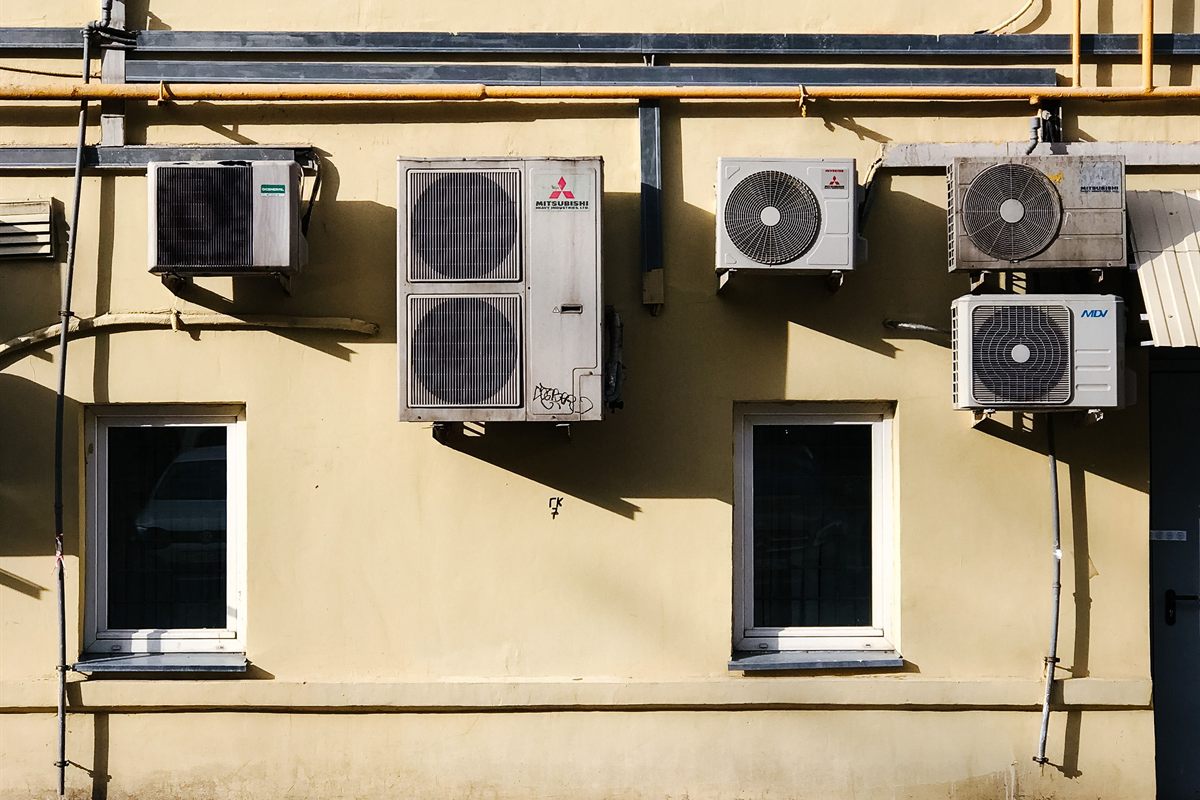
Auxiliary heat is supposed to be an occasional backup, not a daily habit. When it runs constantly, your electric bill is quietly climbing three or four times faster than it should be.
Most thermostats show an "aux heat" or "aux heat on" indicator without explaining what it means or when it should turn off. That gap leads to two opposite mistakes: ignoring a real fault because a little aux heat seems fine, or panicking over normal behavior on the coldest night of the year.
Auxiliary heat is electric resistance heat built into the indoor air handler, the same principle as a space heater's coil. It exists to supplement the heat pump when outdoor temperatures drop low enough that the heat pump alone cannot keep up with heat loss from the house. The thermostat calls for aux heat automatically and runs it alongside the heat pump, not instead of it, unless the system has been switched to emergency heat. Many air handlers stage the electric strips in blocks, commonly 5kW at a time, and add a second or third stage only if the first is not enough to close the gap. That is why aux heat use can climb gradually on a very cold night rather than switching on at full output immediately.
Everything in this article assumes electric resistance backup, which is what most standalone heat pumps use. If your system is a dual-fuel setup with a gas furnace as the backup instead of electric strips, the cost dynamic flips: gas backup heat generally costs less per hour to run than the heat pump itself in very cold weather, rather than more. The symptoms of a heat pump underperforming are the same either way, but the bill impact is smaller with a gas backup.
These are two different modes and homeowners frequently mix them up. Auxiliary heat is automatic and temporary, called on by the thermostat's own logic as a supplement. Emergency heat is a manual setting you select yourself, and it shuts the heat pump off completely so the system runs on electric resistance strips alone. Emergency heat exists for when the outdoor unit has failed and needs to stay off until a technician looks at it. If your thermostat is set to "Emergency Heat" and you did not put it there intentionally, someone else did, or the system switched to it after detecting a fault.
In any of these cases, aux heat should taper off and stop once the house catches up or the outdoor temperature rises again. What is not normal is aux heat running continuously in mild weather, or running every time the system calls for heat regardless of outdoor conditions.
The balance point is the outdoor temperature below which your specific heat pump, given your specific house, can no longer supply all the heat you are losing, so aux heat has to make up the difference. It is not a fixed number. A well-insulated home with a correctly sized modern heat pump might not need aux heat until the outside air drops into the 20s Fahrenheit. An older, drafty home with an undersized system can hit its balance point in the high 30s or low 40s.
Most installers set an aux heat lockout temperature in the thermostat's installer settings, commonly around 35°F, so the system does not fire aux heat above that point even if it is briefly requested. You can usually find this setting under a menu labeled "aux heat lockout," "high balance point," or something similar in your thermostat's installer or advanced settings. If aux heat is running well above your lockout temperature, either the setting has been changed, or the heat pump side is not delivering the heat it should be.
Aux heat that runs constantly regardless of outdoor temperature usually points to the heat pump underperforming, not to aux heat itself malfunctioning. Common causes include a system that was undersized for the house from the start, a refrigerant leak that has slowly reduced the heat pump's actual output, a failing compressor, a dirty outdoor coil restricting heat transfer, or a thermostat with the wrong lockout setting or faulty outdoor temperature sensor. In each of these, the heat pump quietly does less work and the thermostat compensates by leaning harder on the electric strips, which is why the symptom shows up as an electric bill problem before anyone notices anything obviously broken outside.
A stuck contactor on the outdoor unit is worth calling out separately, since it can look identical to a lockout-setting problem from inside the house. If the contactor that should engage the compressor has failed, the outdoor unit may sit idle even in mild weather while the thermostat, seeing no heat coming from the heat pump, keeps calling for aux heat to cover the whole load. Confirming whether the outdoor fan and compressor are actually running is one of the fastest ways to tell a settings problem from a hardware one.
Aux heat runs on electric resistance, the least efficient way to turn electricity into heat. Depending on your system and local electricity rates, running on aux heat costs roughly 2 to 5 times more than the same heating output from the heat pump alone. One cold night of extra aux heat use is not worth worrying about. Aux heat running for hours every day through a mild stretch of weather is a bill that will show up at the end of the month, and it is worth investigating before winter is over rather than after.
Compare the actual outdoor temperature to your thermostat's aux heat lockout setting. If aux heat is active well above that threshold, that mismatch alone is worth a call. Confirm the thermostat is in normal heat mode and not accidentally switched to emergency heat. Avoid large setpoint jumps, since a 1 to 2 degree adjustment uses far less aux heat than swinging the temperature up 5 or more degrees at once. Walk outside and confirm the heat pump itself is running and not blowing cold air, since a heat pump that has effectively stopped contributing will push aux heat use far higher than a lockout-setting problem alone would. If everything checks out and aux heat is still constant, the running-cost gap between a heat pump and pure electric resistance heat is large enough that it is worth a service call rather than living with the bill.
Is it normal for aux heat to come on every morning? If your thermostat has a scheduled setback overnight and then jumps several degrees in the morning, some aux heat use to catch up quickly is expected. It should not run for hours afterward once the house reaches temperature.
Can I just turn off auxiliary heat myself? Some thermostats let you disable aux heat manually. Doing that in genuinely cold weather can leave the house unable to reach temperature at all, since the heat pump alone may not have enough capacity below the balance point. Adjust the lockout temperature instead of disabling aux heat outright.
Does aux heat running a lot mean my heat pump is broken? Not necessarily, but it usually means the heat pump is contributing less than it should be for the outdoor conditions. It is a symptom worth investigating rather than a diagnosis on its own.
Will lowering my aux heat lockout temperature save money? It can, provided your heat pump and home can actually hold temperature at that lower setting without help. Lowering the lockout too far without checking your system's real capacity can leave the house cold on the coldest days, which is worse than a slightly higher electric bill. Adjust it a few degrees at a time and watch how the house responds before moving it further.
Diagnostic steps here are ordered by how often each cause turns out to be the answer, not by how serious it is. That is deliberate: working the common causes first is what saves you a service call, and the rare-but-severe ones are flagged where they apply.
Primary references for the figures and procedures on this page. Where a number here is a range drawn from field experience rather than a published measurement, it is labelled as such in the text.
Last checked September 2026 against manufacturer and utility efficiency-program guidance for general heat pump systems. Balance point and lockout temperatures vary by system and climate; confirm your own settings against your thermostat's installer menu.
Equipment brand accounts for a small share of how your system performs. Installation quality accounts for most of it. Screen the installer harder than the box.
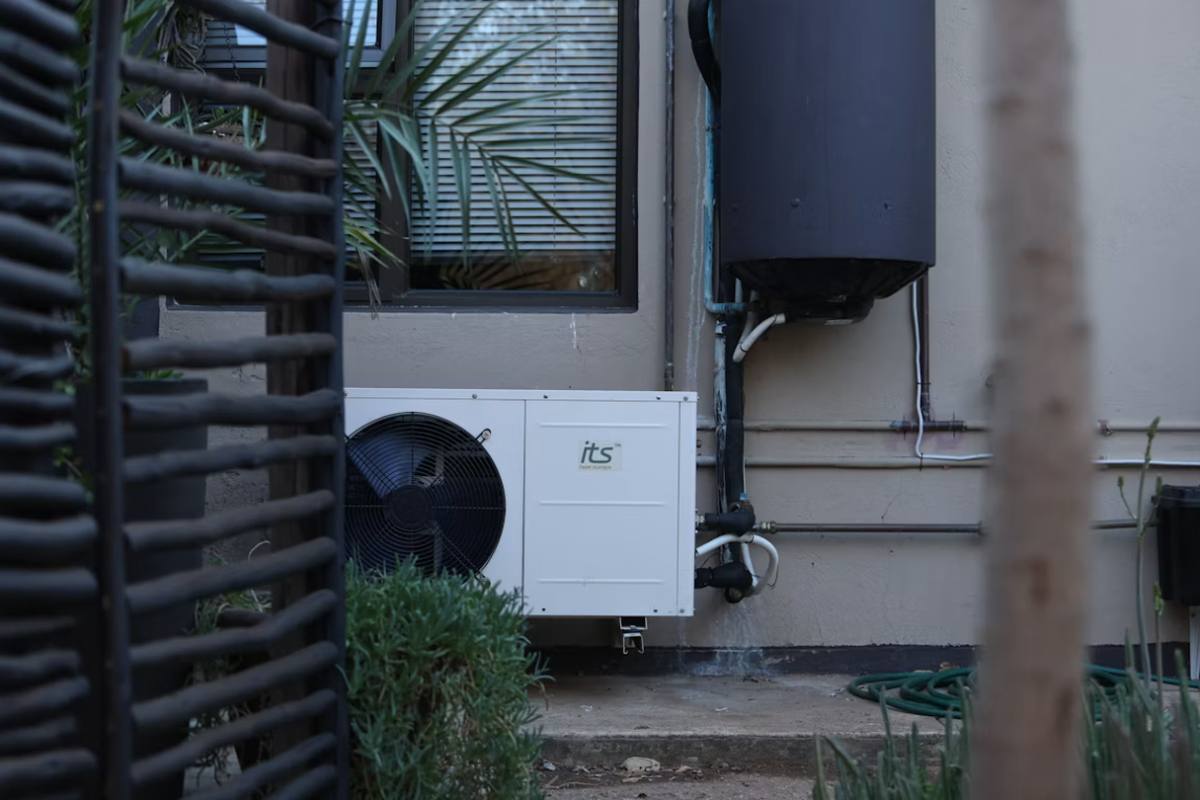
A light coating of frost in winter is expected. A block of ice encasing the coil or ice on the top of the unit is a problem you should not ignore.
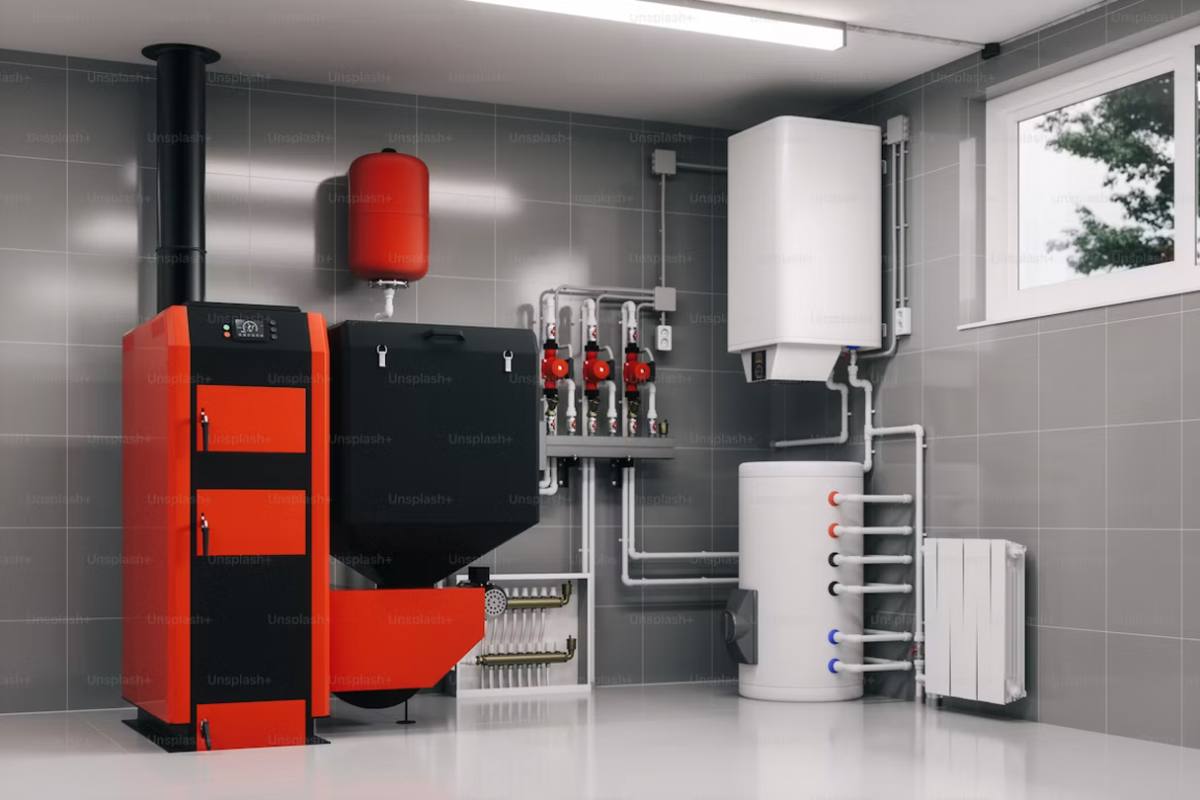
Mitsubishi reports faults as two-character codes and as LED blink patterns. Here is how to retrieve a code and what the major families of codes point to.

Installed prices run from $5,500 for a straightforward single-zone swap to $22,000 for a whole-home ducted system with electrical work. Here is what drives the difference.