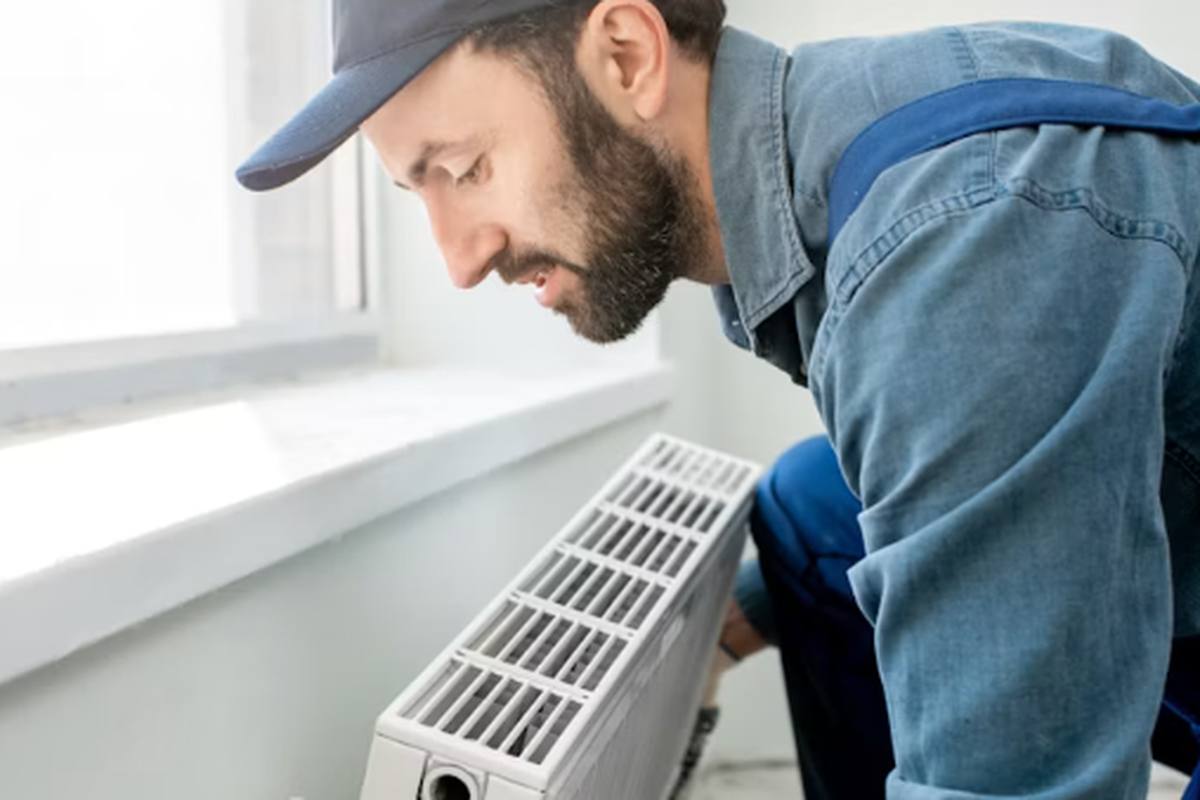
How to Choose an HVAC Contractor: 12 Questions to Ask
Equipment brand accounts for a small share of how your system performs. Installation quality accounts for most of it. Screen the installer harder than the box.
Connect this button to your email provider (Mailchimp, ConvertKit or Beehiiv) to start collecting subscribers. The form endpoint goes here.
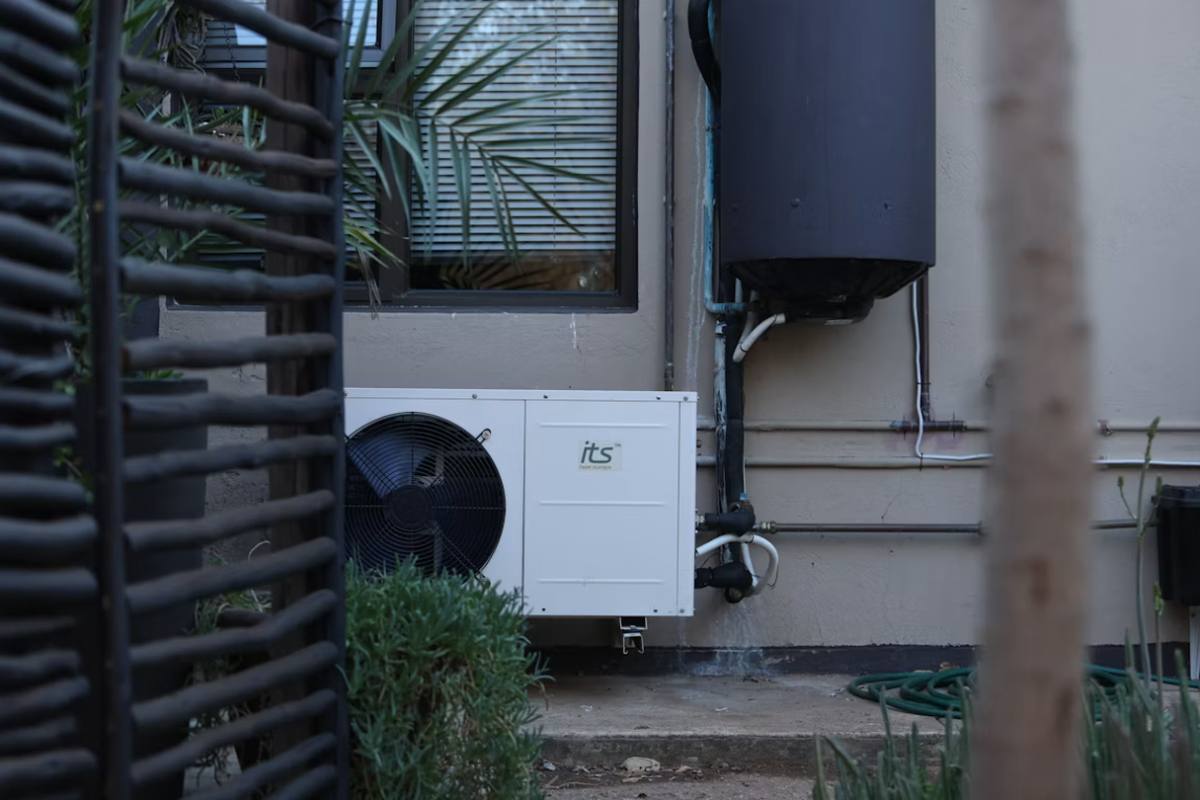
A light coating of frost in winter is expected. A block of ice encasing the coil or ice on the top of the unit is a problem you should not ignore.
Understanding the difference saves both unnecessary service calls and expensive compressor damage.
In heating mode the outdoor coil runs colder than the outside air. Moisture condenses on it and freezes. The system periodically reverses to melt it, then returns to heating. A thin, even layer of white frost that disappears within a normal defrost cycle is the system working exactly as designed, and it is more common in humid climates and right around freezing temperatures than in dry cold.
Most systems decide when to defrost using both time and temperature. A sensor on the outdoor coil detects when it has dropped cold enough to frost, commonly around 30°F, and once that sensor triggers, a control board starts counting the compressor's running time. When a preset interval elapses, typically every 30 to 90 minutes depending on the system, the unit enters defrost automatically.
During defrost, the reversing valve switches the system into cooling mode temporarily, which sends warm refrigerant to the outdoor coil to melt the ice. The outdoor fan shuts off so the coil warms faster, and the indoor blower keeps running, often backed by auxiliary heat, so the house does not feel a cold blast while the outdoor unit is in defrost. The cycle ends once a second sensor detects the coil has warmed enough, commonly cited around 57°F, at which point the system reverses back to normal heating.
A single defrost cycle typically runs 5 to 15 minutes. As a general guideline, you should not see frost sitting on the unit for more than about 2 hours before a defrost cycle clears it; if the system has been off, ice will usually thaw on its own within 2 to 4 hours once outdoor air is above freezing, longer if temperatures stay below freezing or humidity is high. One unusually long cycle during an especially wet, cold spell is not automatically a problem. Repeated cycles that run long, or ice that comes back within minutes of clearing, points to one of the causes below rather than normal operation.
Can I pour water on a frozen heat pump to melt the ice? Lukewarm water, yes, poured gently over the coil. Never hot water, because the temperature shock can crack the coil, and never a hammer, screwdriver or ice pick — the fins bend at almost no force and the refrigerant tubing sits directly behind them. Once the ice is off, the question that matters is why it formed.
Should I turn the heat pump off while it is frozen? For light frost, no. The defrost cycle is designed to handle exactly that. If the coil is a solid sheet or the fan opening is packed, then yes, shut it down. Running a blocked fan is how a defrost problem becomes a compressor replacement.
How long should the ice take to clear after a defrost cycle? A defrost cycle typically runs five to fifteen minutes and clears normal frost within it. Ice still sitting there after two or three consecutive cycles means defrost itself is not working — a failed sensor, a stuck reversing valve or a control board fault — and that is a service call rather than something to wait out.
Switch the system to fan-only or off and let the ice melt. Pour warm — not hot — water over the coil if you need to speed it up. Clear snow and vegetation to at least 18 inches on all sides and 4 feet above.
Never chip at ice with a screwdriver, ice scraper or hammer. The coil is thin aluminum and copper, and puncturing it converts a $200 service call into a refrigerant leak repair or a coil replacement.
Mount the unit on a stand that keeps it 8–18 inches above expected snow depth. Keep gutters clear above it. Clean the coil each spring and fall. Confirm the defrost cycle actually runs during your first cold snap of the season rather than discovering the problem in January.
There is a meaningful difference between a coil with frost on it and a unit sealed inside a block of ice. Frost on the coil fins is the system doing its job. Ice that covers the top of the cabinet, fills the fan opening, or has built into a solid shell around the casing is not something a defrost cycle will clear, and running the system in that state puts the fan blade and the compressor at risk.
Ice on top of the unit almost never comes from the heat pump. It comes from above — an overflowing gutter, a roof valley draining onto the cabinet, or snow sliding off a roofline. The heat pump is the victim there, not the cause, and the fix is a diverter or a gutter repair rather than anything mechanical.
If the unit is fully encased, shut it off at the thermostat, switch to emergency heat if you have it, and let the ice melt before running it again. Then find out where the water was coming from, because it will happen again next cold snap.
Should the outdoor fan be spinning when the unit looks frozen? No, not during an active defrost cycle. The fan shuts off on purpose so the coil warms faster. A fan that stays off long after the ice has cleared and the system has returned to heating is worth investigating separately.
Is it normal to see steam or fog rising from the unit? Yes, briefly. As ice melts during defrost, the warm coil meeting cold air commonly produces visible steam. This clears on its own within a few minutes once defrost ends.
Will running the heat pump on emergency heat stop it from icing? Emergency heat shuts the outdoor unit off entirely and runs on electric resistance strips alone, so yes, the outdoor coil will not ice if it is not running. That is not a fix, only a way to avoid the symptom while you get the underlying cause diagnosed, and it costs significantly more to run than normal heat pump operation.
Diagnostic steps here are ordered by how often each cause turns out to be the answer, not by how serious it is. That is deliberate: working the common causes first is what saves you a service call, and the rare-but-severe ones are flagged where they apply.
Primary references for the figures and procedures on this page. Where a number here is a range drawn from field experience rather than a published measurement, it is labelled as such in the text.
Last checked September 2026. Defrost cycle timing is typical, not universal; confirm your model's specifics against its owner's manual.
Equipment brand accounts for a small share of how your system performs. Installation quality accounts for most of it. Screen the installer harder than the box.
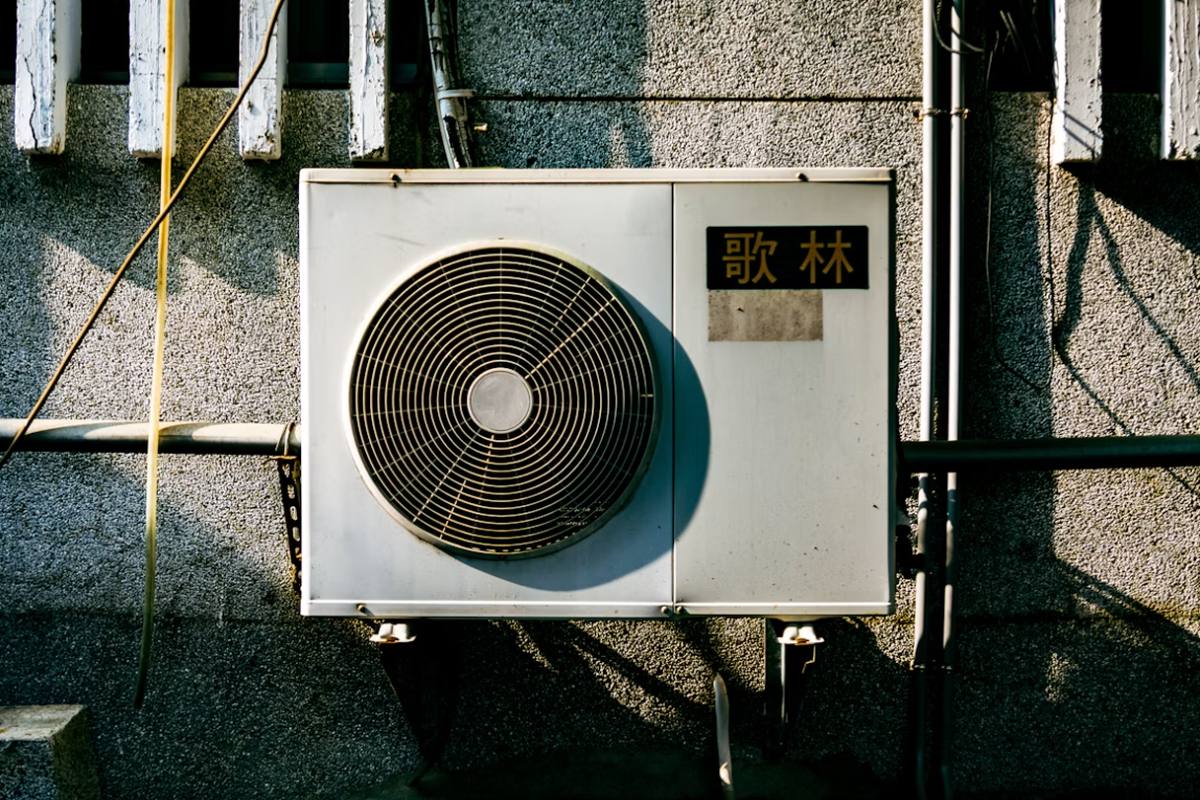
Start with the two possibilities that are completely normal, then work through the five that are not. Most cases resolve without a service call.
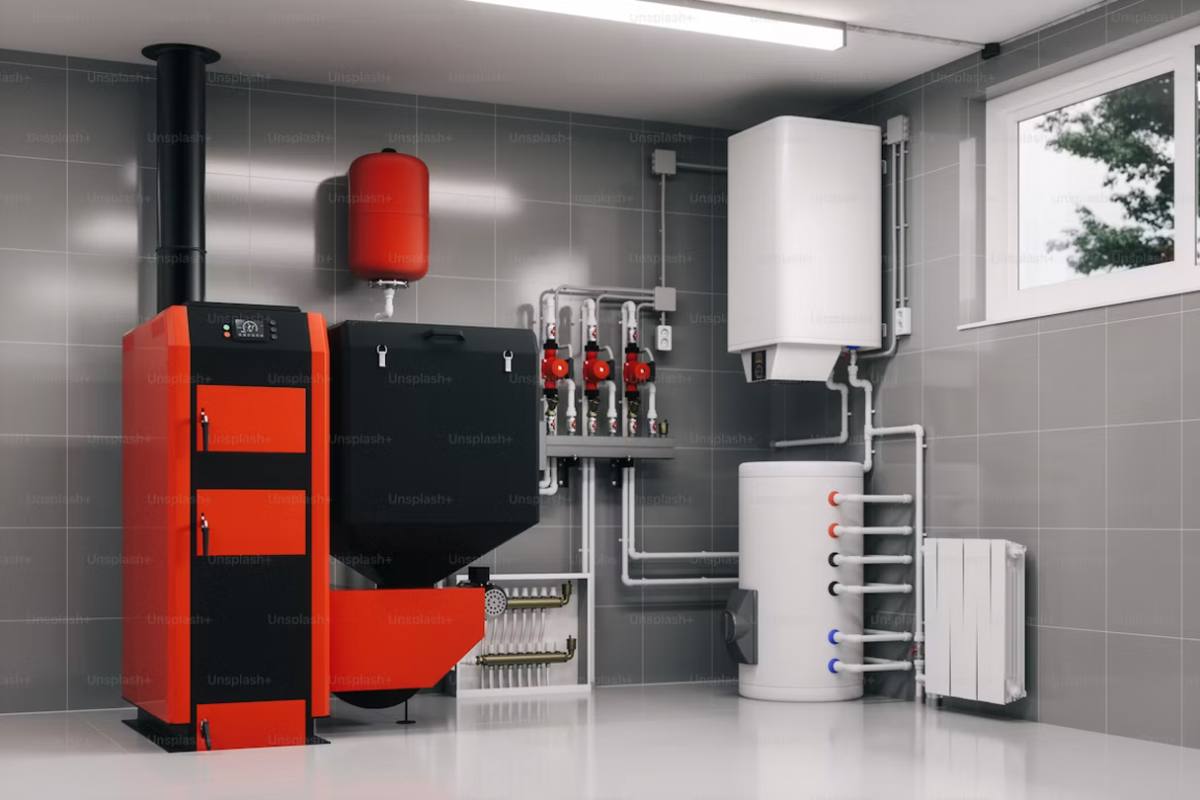
Mitsubishi reports faults as two-character codes and as LED blink patterns. Here is how to retrieve a code and what the major families of codes point to.
A light coating of frost in winter is expected. A block of ice encasing the coil or ice on the top of the unit is a problem you should not ignore.