
How to Choose an HVAC Contractor: 12 Questions to Ask
Equipment brand accounts for a small share of how your system performs. Installation quality accounts for most of it. Screen the installer harder than the box.
Connect this button to your email provider (Mailchimp, ConvertKit or Beehiiv) to start collecting subscribers. The form endpoint goes here.
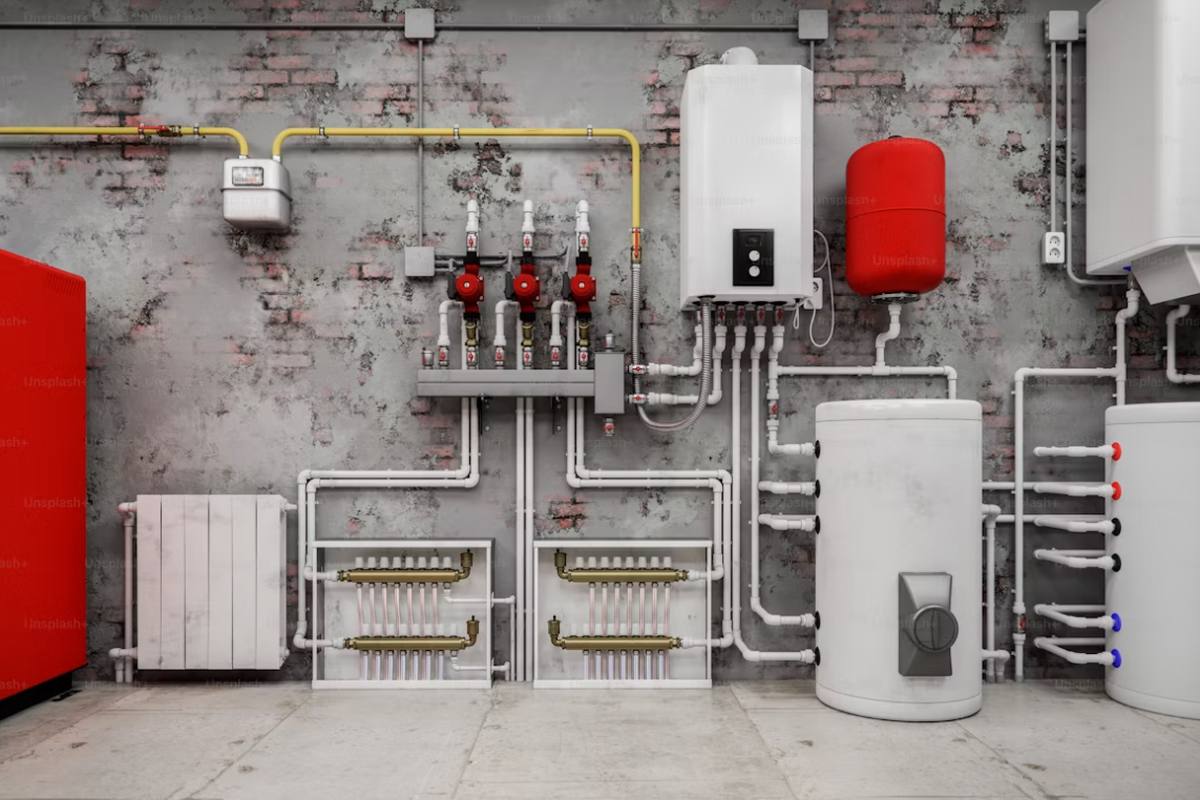
The comparison everyone gets wrong, because they compare efficiency percentages instead of comparing the price of a delivered BTU.
A 96% efficient furnace sounds worse than a heat pump at 350%. That comparison is meaningless on its own, because the two machines burn different fuels at wildly different prices.
The only fair comparison converts everything to dollars per million BTU of heat actually delivered into your rooms.
Natural gas furnace. Take your gas price per therm, divide by the furnace efficiency, and multiply by 10. Gas at $1.40/therm with a 95% furnace works out to roughly $14.70 per million BTU.
Heat pump. Take your electricity price per kWh, divide by the seasonal COP, and multiply by 293. Electricity at $0.15/kWh with a seasonal COP of 3.0 gives about $14.65 per million BTU.
In that example the two are a dead heat. Change either input and the answer flips.
Seasonal COP is not the same as a spec sheet's best-case number, and it is the input most homeowners get wrong when running this comparison. As a rough starting point: mild climates with design temperatures well above freezing commonly see a seasonal COP around 3.5 to 4.5. Most of the continental US, with a real winter but not extreme cold, tends to land closer to 2.5 to 3.5. Cold climates that regularly see sub-zero nights, even with a good cold-climate-rated unit, more realistically average 2.0 to 3.0 across the whole season, with the manufacturer's own published COP at specific test temperatures as your best source if you already own the equipment or have a model number from a quote.
Operating cost is only one line. Installed cost, maintenance, equipment lifespan and the cooling you get bundled in all belong in the comparison. A heat pump that costs $4,000 more up front but eliminates a separate $6,500 air conditioner replacement in five years is a different proposition than the fuel math alone suggests.
Run the two formulas above with your actual utility bills in front of you. If the heat pump comes out within 15% of the furnace on running cost, choose the heat pump — the bundled cooling, the better summer dehumidification and the improving grid mix will win over the equipment’s 15-year life.
Does a heat pump water heater factor into this comparison? Not directly. This article compares space heating only. A heat pump water heater is a separate appliance with its own economics, though the same logic (compare delivered cost, not a headline efficiency number) applies to it too.
What if I already have both a furnace and central air? Then the "get cooling for almost nothing extra" advantage does not apply to you, and the decision comes down more purely to the running-cost math and how much life is left in your existing furnace.
Will electricity or gas prices in my area change this answer over time? Almost certainly, in both directions. Rerun the formulas whenever your utility rates change meaningfully, especially if you are comparing quotes months apart, rather than relying on a comparison done under old prices.
Here is the comparison with current US averages rather than round numbers. Treat these as a worked example of the method, not as your answer, because both inputs vary enormously by state.
As of September 2026 the US average residential electricity price is about 18.3 cents per kWh. Residential natural gas averaged roughly $19.83 per thousand cubic feet in May 2026, which works out to about $1.91 per therm.
| System | Assumption | Cost per million BTU delivered |
|---|---|---|
| Electric resistance | COP 1.0 | about $53.75 |
| Heat pump | seasonal COP 2.0 | about $26.88 |
| Heat pump | seasonal COP 2.5 | about $21.50 |
| Heat pump | seasonal COP 3.0 | about $17.92 |
| Heat pump | seasonal COP 3.5 | about $15.36 |
| Gas furnace | 80% AFUE | about $23.90 |
| Gas furnace | 95% AFUE | about $20.13 |
The number that matters is where the two lines cross. Against a 95% AFUE furnace, a heat pump needs a seasonal COP of roughly 2.7 to break even on these prices. Against an older 80% AFUE furnace, it only needs about 2.25.
That single comparison explains most of the disagreement people have about this question. A modern cold-climate system in a mild climate comfortably clears 2.7 and saves money. The same equipment in a severe climate, leaning on strip heat through January, may not, because every hour on resistance backup drags the seasonal average toward 1.0.
National averages hide a spread wide enough to reverse the conclusion. Residential electricity ranges from around a dime per kWh in parts of the Midwest and South to well over 30 cents in Hawaii, California and much of New England, and gas prices vary on their own schedule.
The practical consequence is that no article, including this one, can tell you the answer from a distance. What it can do is give you the method:
Do this with your own two bills and the argument ends. It takes five minutes and beats any national average.
If you already have gas and are replacing an aging furnace, there is a third option that most people are never offered: a dual-fuel or hybrid system. A heat pump handles heating down to a chosen outdoor temperature, and below that the gas furnace takes over as the backup instead of electric strips.
This is the arrangement that gets the economics right in cold climates. The heat pump runs during the mild and moderate hours that make up most of the heating season, where its COP is high and it is clearly cheaper. The furnace covers the coldest hours, where the heat pump's COP falls below the crossover point and gas is genuinely the cheaper fuel.
The switchover temperature is a setting, and it should be calculated from your actual prices rather than left at whatever the installer defaulted to. Set it too high and you burn gas on days the heat pump would have been cheaper; too low and you run the heat pump into the range where it costs more. Ask specifically how the switchover point was chosen, which is the kind of question our contractor screening list is built around.
Diagnostic steps here are ordered by how often each cause turns out to be the answer, not by how serious it is. That is deliberate: working the common causes first is what saves you a service call, and the rare-but-severe ones are flagged where they apply.
Primary references for the figures and procedures on this page. Where a number here is a range drawn from field experience rather than a published measurement, it is labelled as such in the text.
Last checked September 2026. Prices are US ranges and vary by region; always confirm against your own utility rates.
Equipment brand accounts for a small share of how your system performs. Installation quality accounts for most of it. Screen the installer harder than the box.
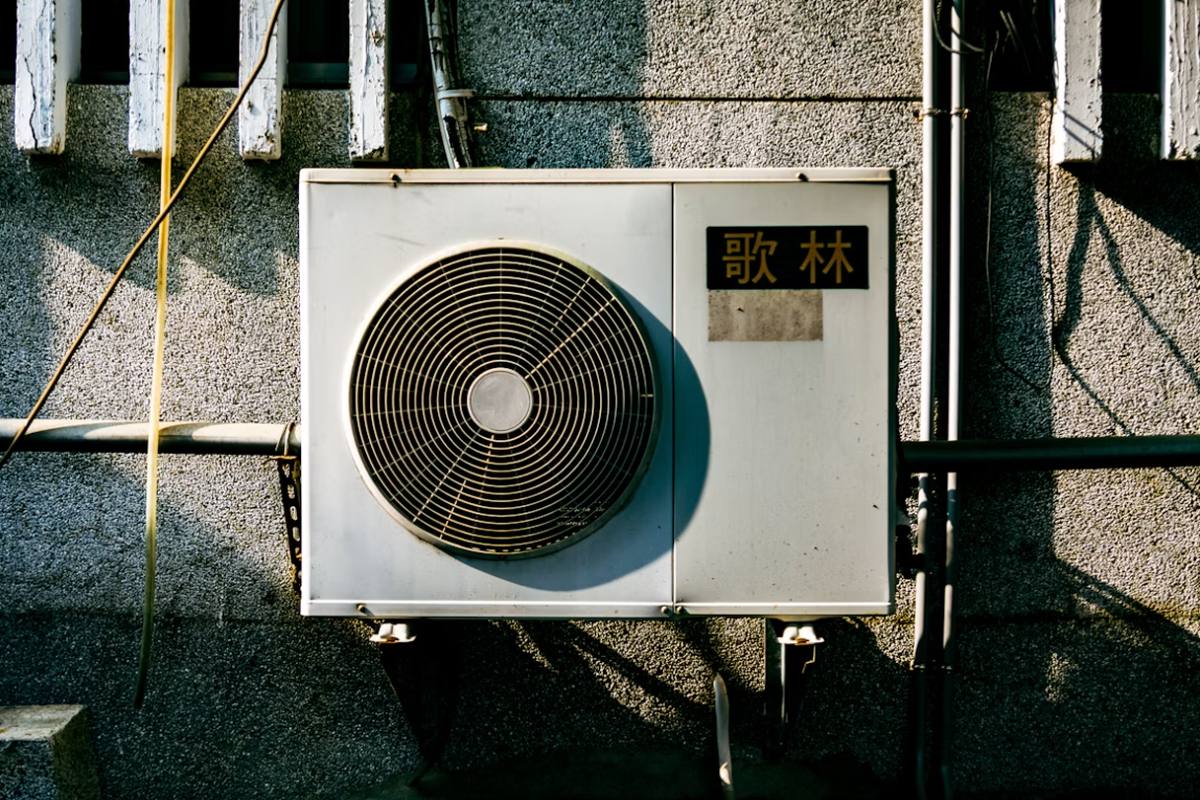
Start with the two possibilities that are completely normal, then work through the five that are not. Most cases resolve without a service call.
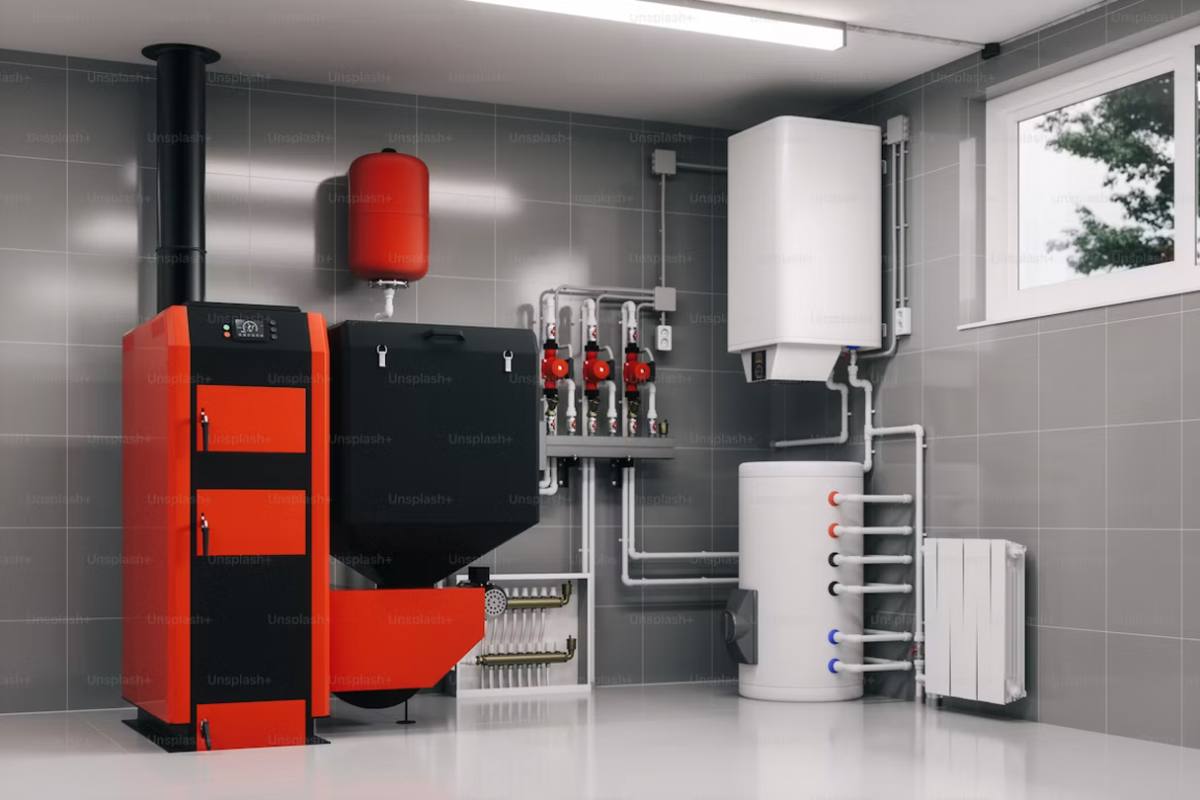
Mitsubishi reports faults as two-character codes and as LED blink patterns. Here is how to retrieve a code and what the major families of codes point to.
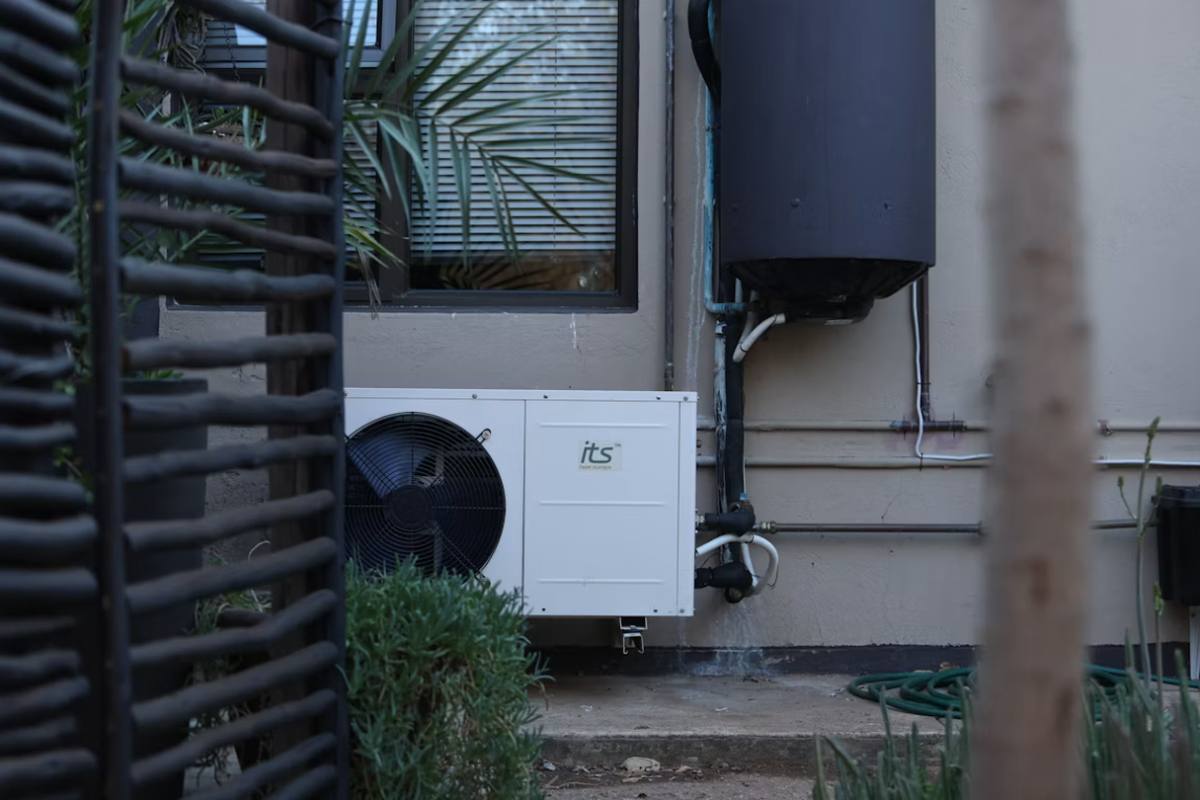
A light coating of frost in winter is expected. A block of ice encasing the coil or ice on the top of the unit is a problem you should not ignore.