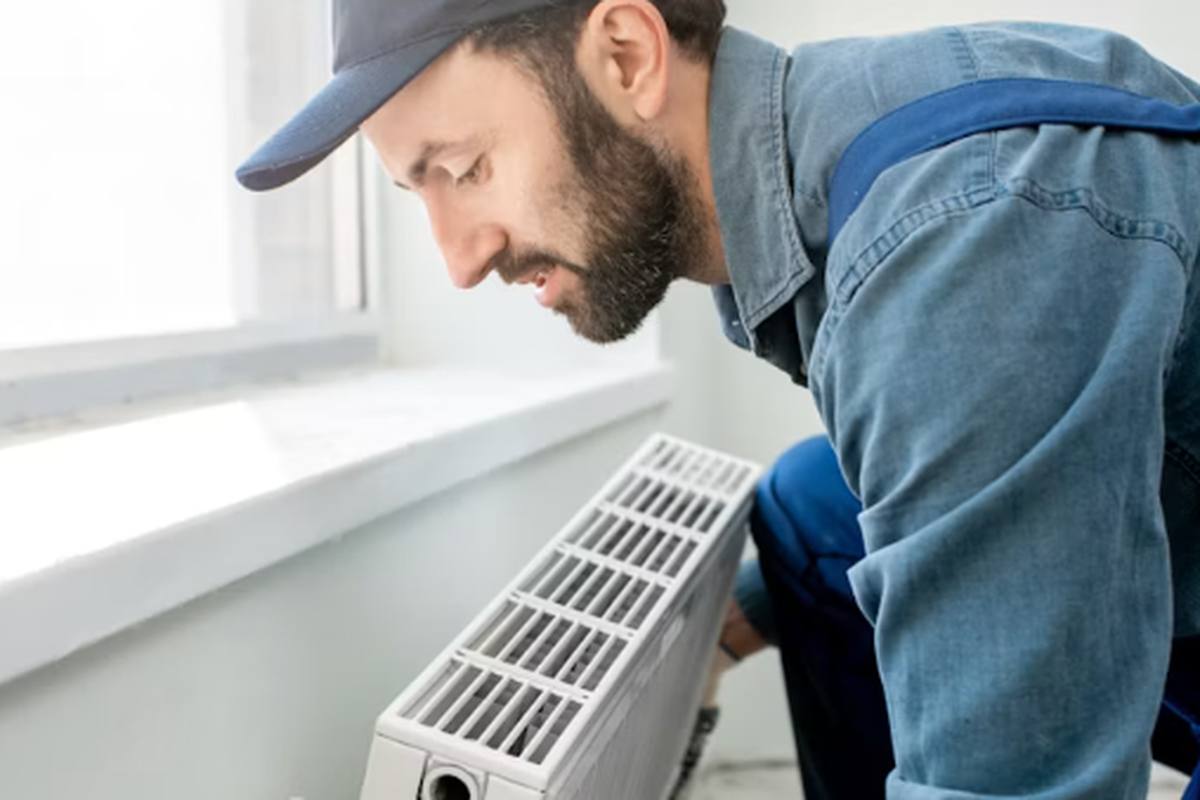
How to Choose an HVAC Contractor: 12 Questions to Ask
Equipment brand accounts for a small share of how your system performs. Installation quality accounts for most of it. Screen the installer harder than the box.
Connect this button to your email provider (Mailchimp, ConvertKit or Beehiiv) to start collecting subscribers. The form endpoint goes here.
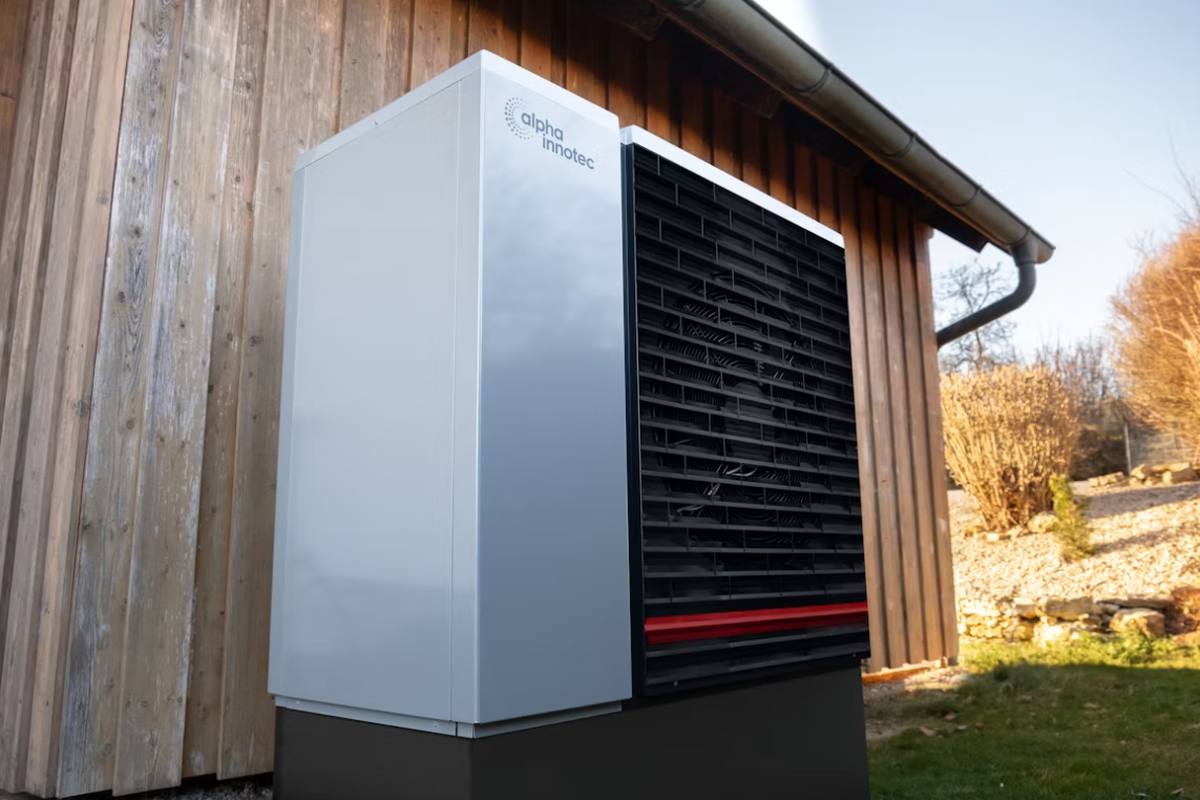
A heat pump does not make heat. It moves heat that already exists, which is exactly why it can deliver three or four units of warmth for every unit of electricity it drinks.
Almost every explanation of a heat pump starts with a diagram of a refrigeration cycle and loses the reader by the second paragraph. Here is the version that actually matters when you are standing in your driveway with a contractor.
A gas furnace burns fuel to create heat. A resistance heater pushes electricity through a coil until the coil glows. Both are limited by physics: you can never get more energy out than you put in.
A heat pump plays a different game. It uses electricity to run a compressor and a pair of fans, and that machinery moves heat from one place to another. Even air at 20°F contains an enormous amount of thermal energy — absolute zero is another 480 degrees below that. The heat pump extracts a portion of it and releases it inside your house.
Because it is transporting heat rather than generating it, a heat pump routinely delivers 300–400% efficiency. Put in 1 kWh of electricity, get 3–4 kWh of heat. That ratio is called the coefficient of performance, or COP.
A single extra part — the reversing valve — flips the direction the refrigerant travels. Swap the roles of the two coils and the same machine now moves heat from inside your house to the outdoors. That is why a heat pump replaces both your furnace and your air conditioner with one box.
Refrigerant is the fluid doing all the work described above, carrying heat around the loop the way blood carries heat around a body. As of 2026 the residential market has largely moved on from the older R-410A refrigerant to newer options, mainly R-32 and R-454B, with different manufacturers standardizing on different ones. The main reason is environmental: both newer refrigerants have a substantially lower global warming potential if they ever leak. A practical side effect worth knowing is that R-32 and R-454B are classified as mildly flammable (A2L), unlike R-410A, which means installation and servicing follow updated handling rules. This does not make a properly installed system unsafe; it means service work on these systems requires a technician trained on the newer refrigerant, not just a general HVAC background.
A standard central air conditioner is mechanically almost identical to a heat pump; it moves heat from inside to outside. The difference is the reversing valve described above. An air conditioner can only run the cycle in one direction, so it can cool but not heat. A heat pump adds that one component and the ability to run the same refrigeration cycle in reverse, which is why a heat pump is sometimes described as an air conditioner that can also heat, rather than as a fundamentally different machine.
If you currently heat with electric resistance — baseboards, a furnace with strip heat, an old air handler — a heat pump will typically cut your heating electricity by 55–70%. If you heat with cheap natural gas, the savings are far less certain and depend entirely on your local gas and electricity rates. Run the numbers before assuming a heat pump saves you money on operating cost; the case is often about comfort, air quality and getting cooling included rather than pure savings.
A heat pump is only as good as its installation. An oversized unit short cycles and never dehumidifies. Undersized ductwork chokes airflow and kills efficiency. A sloppy refrigerant charge can cost you 20% of rated performance on day one. The equipment brand matters far less than the person who installs it — which is why our contractor checklist is the most useful page on this site.
Does a heat pump work the same way as the one in my refrigerator? Yes, essentially. A refrigerator moves heat out of its insulated box and releases it into your kitchen through the coils on the back. A heat pump does the same thing at house scale, moving heat between outdoor air and indoor air instead of between a fridge box and a kitchen.
Do I still need a furnace or boiler with a heat pump? Not necessarily. Many households replace their furnace entirely. Some keep an existing furnace as backup in a dual-fuel setup, where the furnace only runs during the coldest stretches. Which makes sense depends on your climate and existing equipment, not on any limitation of the heat pump itself.
Why does the outdoor unit sometimes look like it is steaming? That is a normal defrost cycle, where the system briefly reverses to melt ice that builds up on the outdoor coil in cold, damp weather. It clears on its own within minutes under normal operation.
Diagnostic steps here are ordered by how often each cause turns out to be the answer, not by how serious it is. That is deliberate: working the common causes first is what saves you a service call, and the rare-but-severe ones are flagged where they apply.
Primary references for the figures and procedures on this page. Where a number here is a range drawn from field experience rather than a published measurement, it is labelled as such in the text.
Last checked September 2026. Refrigerant and efficiency figures are typical for current US residential systems; confirm specifics for your exact model.
Equipment brand accounts for a small share of how your system performs. Installation quality accounts for most of it. Screen the installer harder than the box.
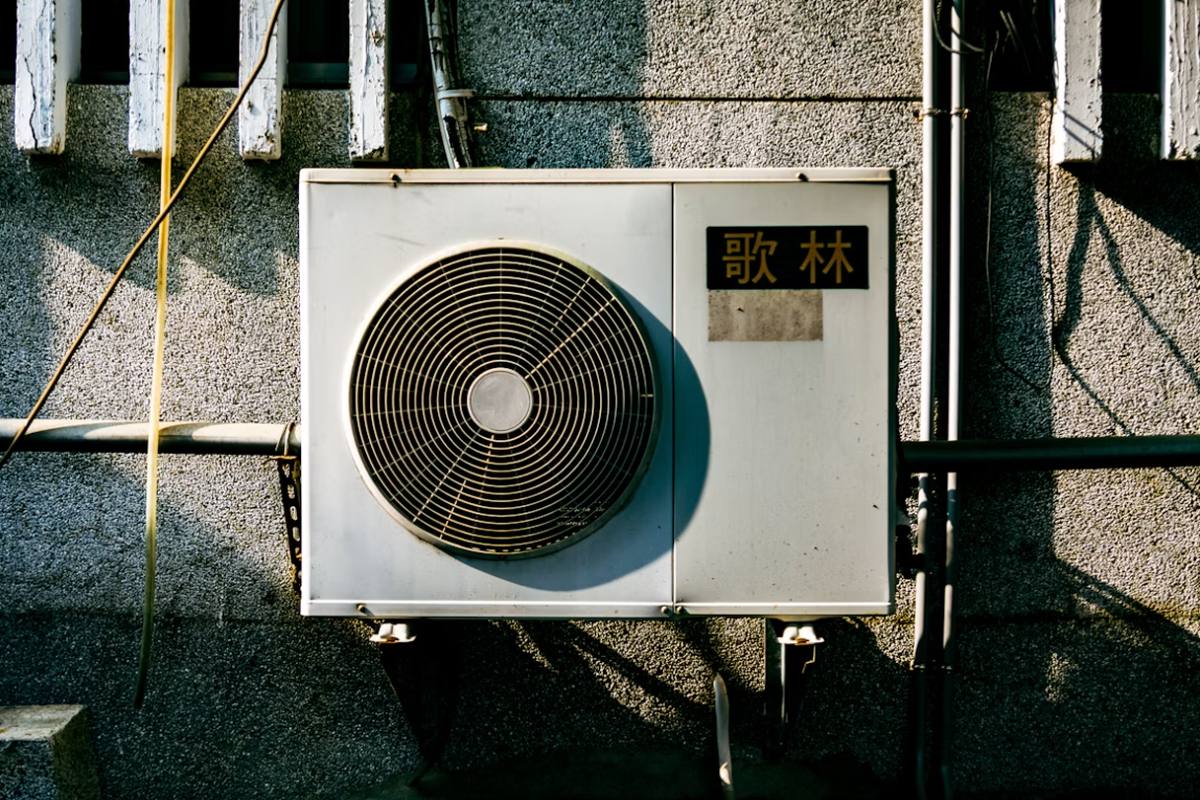
Start with the two possibilities that are completely normal, then work through the five that are not. Most cases resolve without a service call.
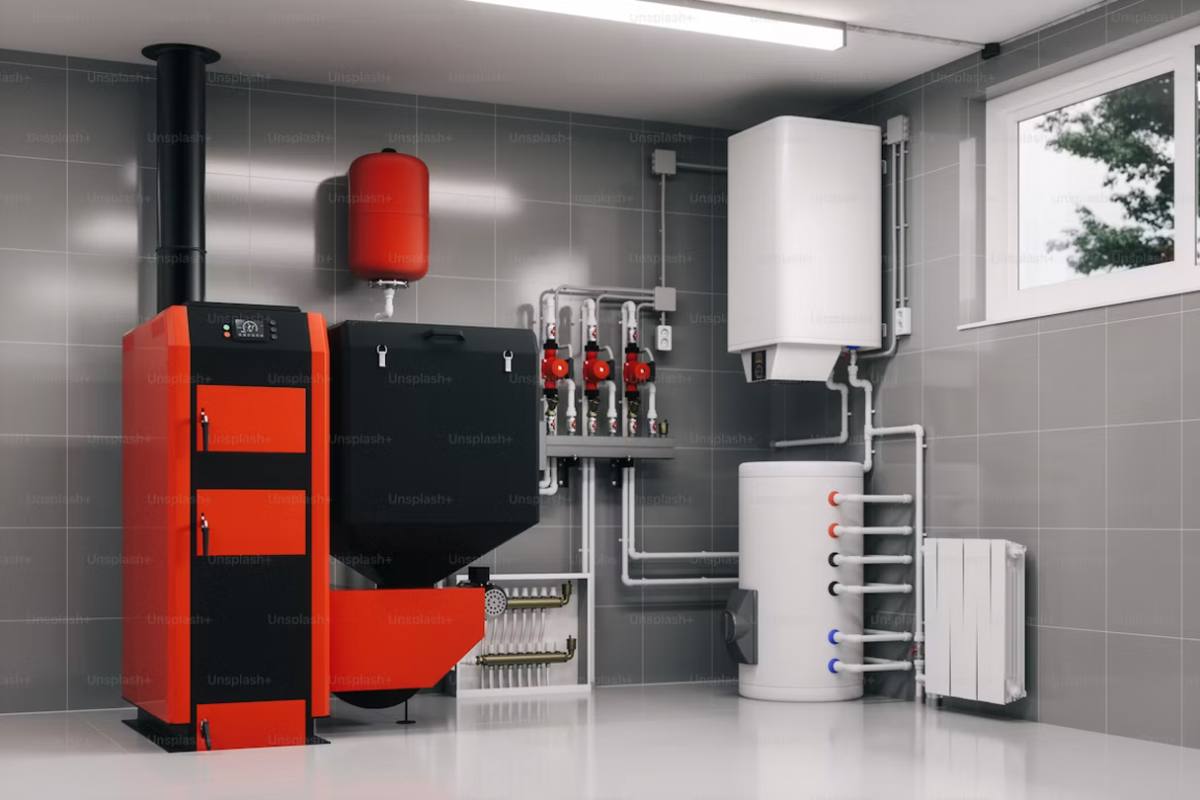
Mitsubishi reports faults as two-character codes and as LED blink patterns. Here is how to retrieve a code and what the major families of codes point to.
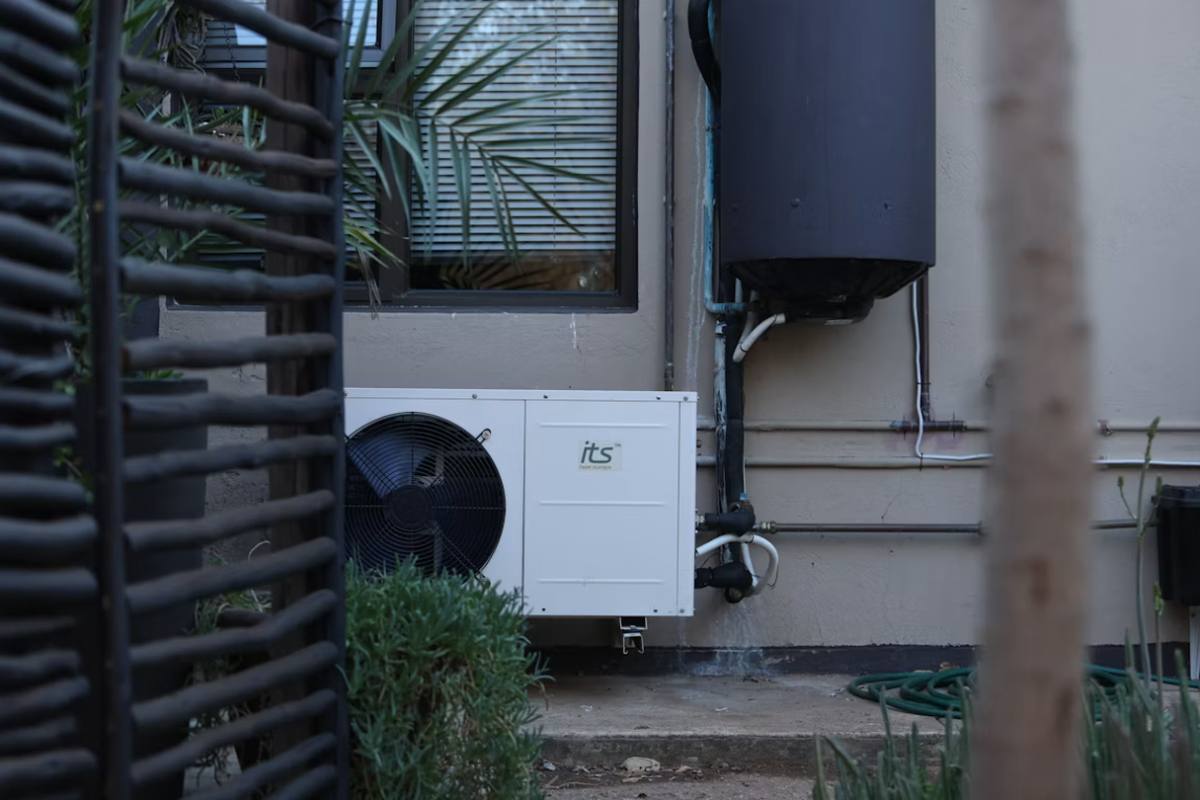
A light coating of frost in winter is expected. A block of ice encasing the coil or ice on the top of the unit is a problem you should not ignore.