
How to Choose an HVAC Contractor: 12 Questions to Ask
Equipment brand accounts for a small share of how your system performs. Installation quality accounts for most of it. Screen the installer harder than the box.
Connect this button to your email provider (Mailchimp, ConvertKit or Beehiiv) to start collecting subscribers. The form endpoint goes here.
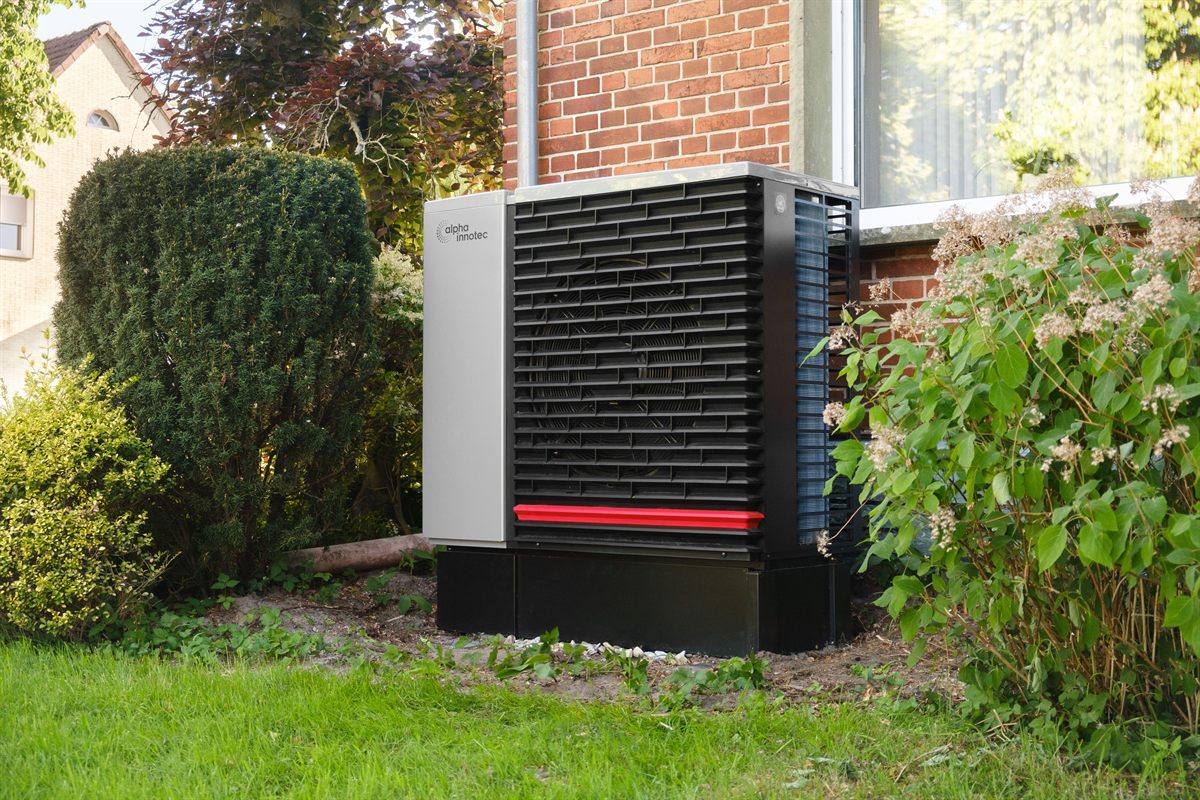
Most heat pump problems that look serious clear up with a proper reset. The part that trips people up is knowing which reset to try first, how long to wait, and when a reset is the wrong move entirely.
A reset clears the system's short-term memory. It does not repair anything mechanical. Keeping that distinction straight saves a wasted service call in one direction and a delayed repair in the other.
This is the soft reset, and it costs nothing to attempt. Turn the thermostat off, wait about 30 seconds, then turn it back on and reselect heat mode and your target temperature. A soft reset clears a thermostat that has stopped responding, a display that froze, or a brief loss of communication between the thermostat and the equipment. It does not touch the outdoor unit's control board, so if the problem is out there, this step will not fix it. It still takes under a minute and rules out the simplest cause first.
If the thermostat reset does not fix it, the next step is a hard reset: cutting power to the whole system and letting it come back up cold. Turn the thermostat off first. Then find the breakers for both the indoor air handler and the outdoor unit. They are sometimes on the same electrical panel and sometimes on two different ones, and the outdoor unit often has its own disconnect box or pull-out switch mounted on the wall next to it. Switch both off.
Wait at least 5 minutes before restoring power. The control board and capacitors hold a residual charge and need that time to fully discharge. Restoring power too soon can mean the reset does not actually take effect. Flip the breakers back on, give the system a few minutes to complete its own startup sequence, then turn the thermostat back on. If your system runs multiple indoor heads off one outdoor unit, power-cycle the whole system together rather than resetting a single head on its own, since the indoor units and the outdoor unit need to renegotiate communication as a set.
Almost every heat pump has a built-in anti-short-cycle timer that keeps the compressor from restarting for roughly 3 to 10 minutes after any stop, including the stop caused by your reset. This protects the compressor: restarting it against unequalized refrigerant pressure is one of the fastest ways to wear one out. During that window the indoor fan may run, the thermostat may show it is calling for heat, and the outdoor unit may simply sit there doing nothing. That is normal.
The mistake that turns a normal delay into a real problem is impatience. Flipping the breaker or the thermostat again during that window restarts the protection timer from zero, so the wait begins over. Someone who resets every two minutes because "it's not doing anything" can keep a perfectly healthy system from ever starting. Set a timer for 10 minutes, walk away, and check on it once.
Some heat pumps have a physical reset button in addition to the breaker method. Many do not. Where one exists, it is usually on the outdoor unit, either on the control board behind an access panel or as a small recessed button you press with a pen or paperclip, and it is rarely labeled clearly. There is no standard location or hold time across brands and models. Some ask for a few seconds, others longer, so check the owner's manual for your specific model, or the model-specific support page on the manufacturer's site, before you go looking for one. If you cannot find a reset button in five minutes, the breaker method above works on every system regardless of brand and is the more reliable option anyway. A dedicated button, when one exists, usually only resets the control board's fault memory. It does not cut power the way a breaker does, so it will not clear a lockout caused by the same kind of residual charge a hard reset addresses.
These are all the electronic equivalent of a computer needing to reboot. Nothing physical was broken; the control logic just needed to restart clean.
A reset cannot repair anything mechanical or electrical that has actually failed. If the system is blowing cold air on heat mode, if the outdoor unit is coated in ice that keeps coming back, or if you are seeing an error code that returns immediately after every reset, the reset is only masking the symptom for a few minutes. A failed capacitor, a bad contactor, a low refrigerant charge, or a dead fan motor will all still be broken as soon as the system starts pulling load again. Many systems will also display a fault code once the control board finishes its post-reset self-check, and that code is a far faster path to a diagnosis than repeated resets. If your system shows one, look it up by model before you call anyone, since a technician will ask for it anyway.
Stop after one reset attempt, not several, if any of the following happen: the breaker trips again immediately or within a few minutes of being switched back on, you smell anything burning or notice scorch marks near the panel, or the same fault returns every single time you reset it. A breaker that will not stay on is telling you there is a real short or overload downstream, and forcing it back on repeatedly is a fire-safety risk, not a troubleshooting step. At that point the right move is a licensed contractor, not another reset.
Once power is restored, confirm the thermostat display is responsive and set to heat mode at your target temperature. Walk outside after the anti-short-cycle delay has passed and confirm the outdoor unit's fan is turning and you can hear the compressor engage. Give it 10 to 15 minutes and check for warm air at the supply vents, since how a heat pump actually moves heat means the system needs a short startup cycle before the air at the vents feels warm. Listen for anything that sounds like grinding, buzzing or clicking that repeats, which points to a mechanical or electrical problem rather than something a reset would touch. If the original problem is back within a day, treat the reset as a diagnostic step that ruled out the easy explanation, not as the fix.
Will resetting delete my thermostat schedule? A soft reset from the thermostat itself will not. A full power reset at the breaker can, on some smart or programmable thermostats that do not save schedules to non-volatile memory. Check your thermostat's manual, or take a photo of your schedule before a planned reset if you are not sure.
How often is it safe to reset a heat pump? Occasionally, for an actual malfunction, is fine. Resetting on a recurring basis to keep the system running is a sign of a real fault that a reset is only hiding, and it is time to call a technician instead of continuing to reset.
Does resetting void the warranty? No. Power-cycling the system the way a manufacturer's own support documentation describes does not affect your warranty. What can affect it is opening sealed refrigerant components or the compressor housing yourself, which a reset never requires.
What if a hard reset does not fix it and there is no button to try? Stop there. That combination means the fault is real rather than a control-board hiccup. Check whether the outdoor unit is showing a fault code, since that will usually point to a specific cause, and bring in a licensed technician rather than continuing to cycle power on a system that has already told you a reset will not help.
Diagnostic steps here are ordered by how often each cause turns out to be the answer, not by how serious it is. That is deliberate: working the common causes first is what saves you a service call, and the rare-but-severe ones are flagged where they apply.
Primary references for the figures and procedures on this page. Where a number here is a range drawn from field experience rather than a published measurement, it is labelled as such in the text.
Last checked September 2026 against manufacturer and licensed-technician guidance for general heat pump systems. Reset button location and hold time vary by brand and model. Always confirm against your owner's manual.
Equipment brand accounts for a small share of how your system performs. Installation quality accounts for most of it. Screen the installer harder than the box.
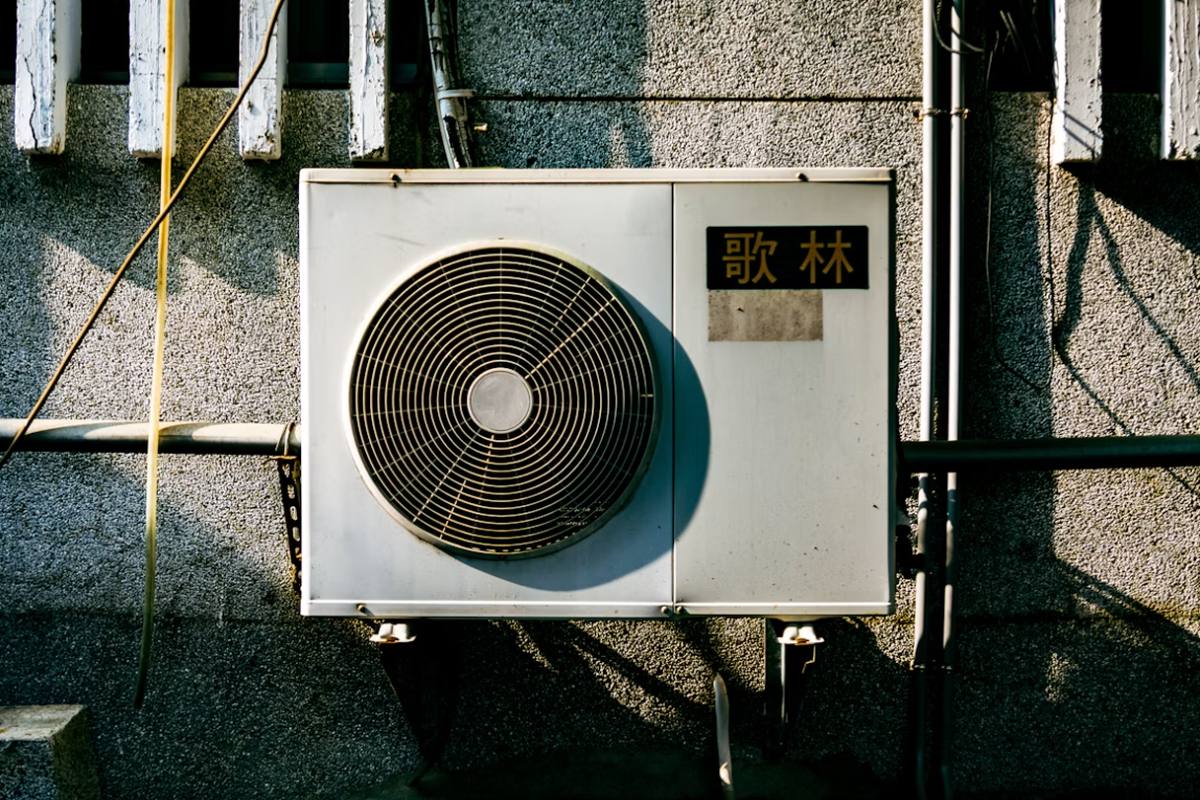
Start with the two possibilities that are completely normal, then work through the five that are not. Most cases resolve without a service call.
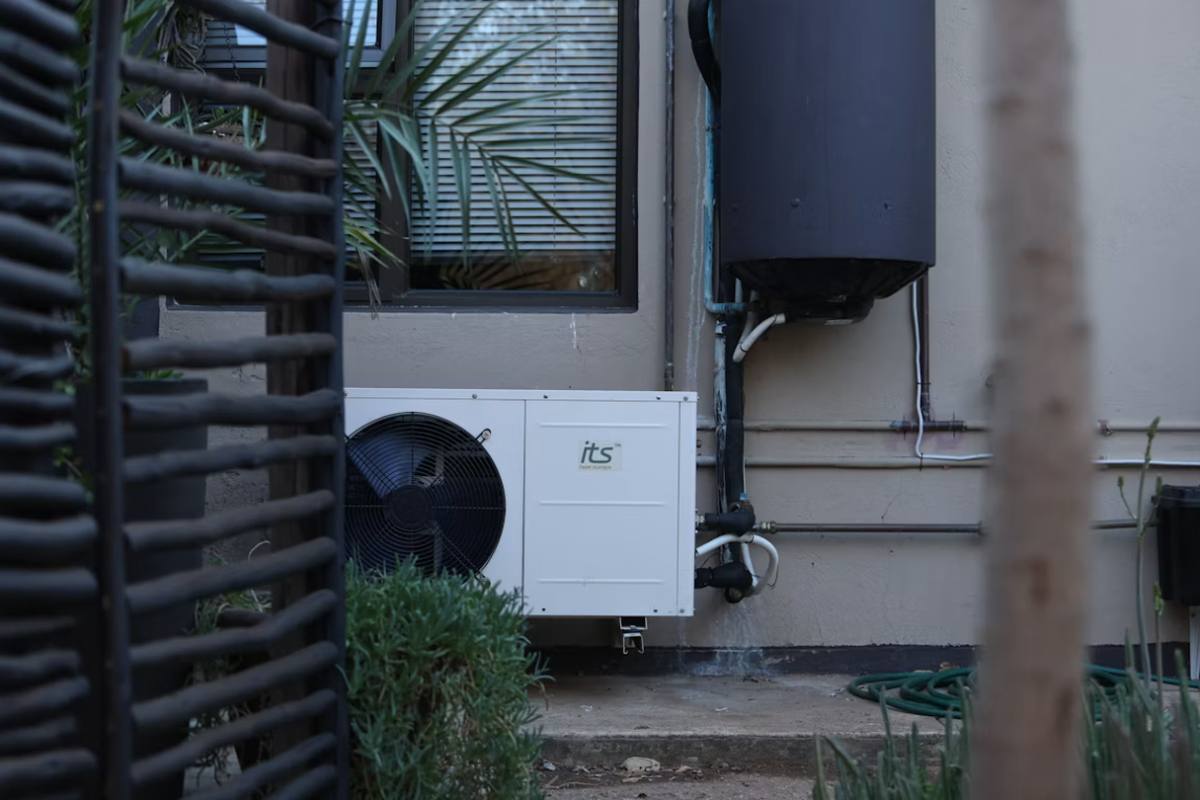
A light coating of frost in winter is expected. A block of ice encasing the coil or ice on the top of the unit is a problem you should not ignore.

Installed prices run from $5,500 for a straightforward single-zone swap to $22,000 for a whole-home ducted system with electrical work. Here is what drives the difference.