
How to Choose an HVAC Contractor: 12 Questions to Ask
Equipment brand accounts for a small share of how your system performs. Installation quality accounts for most of it. Screen the installer harder than the box.
Connect this button to your email provider (Mailchimp, ConvertKit or Beehiiv) to start collecting subscribers. The form endpoint goes here.
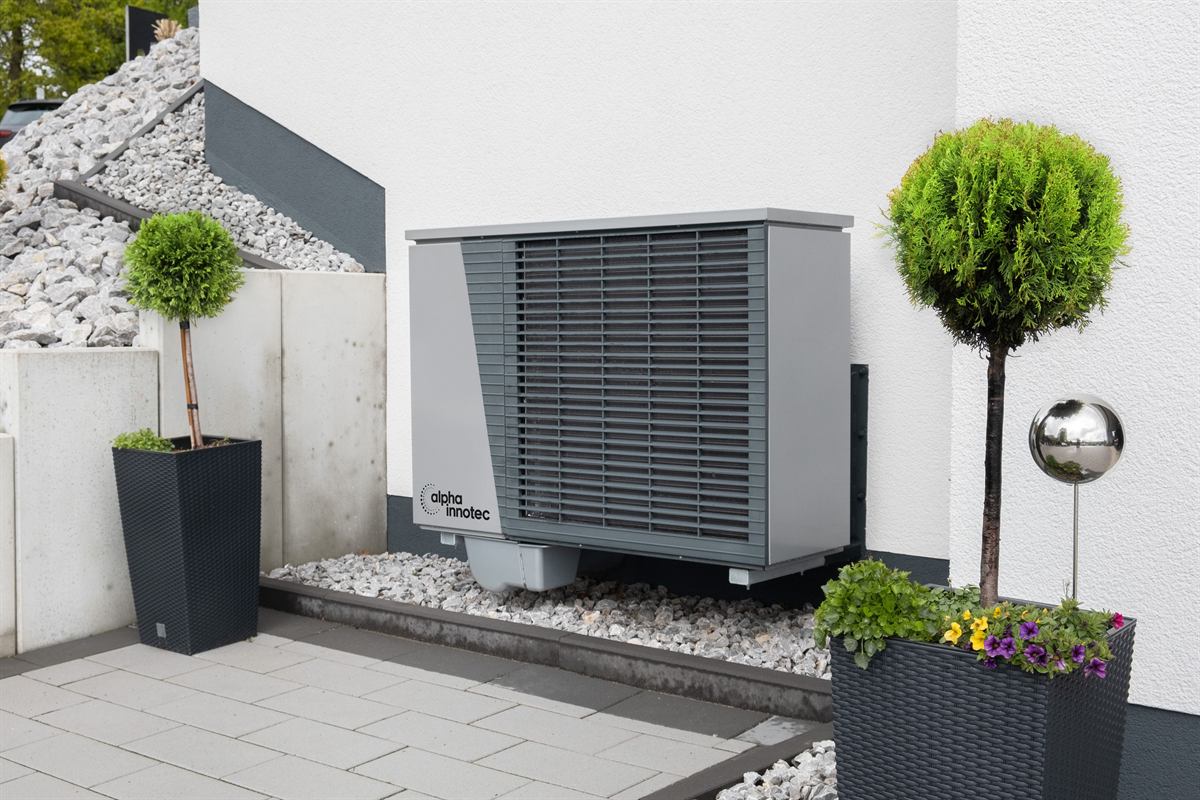
Which logo is on the box matters less than who installs it. Here is how the tiers differ anyway, and where paying more genuinely buys something.
Brand rankings are the most-searched and least-useful content in this category, because the honest answer is uncomfortable: which logo is on the box matters far less than who installs it. Field studies of installed systems consistently find large numbers running well below their rated efficiency because of charge errors, airflow problems and sizing mistakes, none of which are the manufacturer's fault.
That said, brands are not interchangeable. They differ in price tier, warranty terms, cold-climate engineering and, most importantly, in whether anyone near you can service them. Here is how the market actually sorts out.
Industry pricing generally falls into three bands. These are installed prices for a typical ducted single-system replacement, and they move substantially with your region, your ductwork and how much electrical work the job needs.
| Tier | Brands commonly placed here | Typical installed range |
|---|---|---|
| Premium | Trane, Carrier, Lennox, Bryant, Mitsubishi, Daikin | $8,000–$12,000+ |
| Mid | Rheem, Ruud, American Standard, Bosch | $6,000–$9,000 |
| Value | Goodman, York, ICP brands, LG, Gree | $4,500–$7,000 |
Two caveats on that table. First, tiers describe list positioning, not a reliability ranking; a well-installed value system routinely outlasts a badly installed premium one. Second, the ranges overlap heavily, and a premium brand's entry-level model can cost less than a value brand's top model.
Trane and American Standard. Same parent company, largely shared engineering, different badges and dealer networks. Trane's reputation rests on build durability, and its Spine Fin outdoor coil design is genuinely distinctive rather than marketing. Frequently the pick in harsh coastal or industrial environments where coil corrosion is the failure mode people actually see.
Carrier and Bryant. Also the same parent, also a badge and dealer distinction more than an engineering one. Carrier is consistently near the top of general-purpose rankings for the combination of engineering, efficiency and dealer support, which is a reasonable summary of what most homeowners want. Bryant is usually the same equipment at a slightly lower price point, and worth quoting if your local dealer carries it.
Lennox. Competes at the top on peak efficiency numbers. The recurring complaint is proprietary parts, which can mean slower and more expensive repairs depending on your area. Ask specifically about local parts availability before choosing Lennox.
Mitsubishi and Daikin. Dominant in ductless and mini-split work and strong in cold climates. We compare them directly in Mitsubishi vs Daikin. Both are premium-priced and both have deep ductless catalogs that the traditional American brands do not match.
Rheem and Ruud. Same company, same equipment, different names. Widely regarded as the sensible middle: fewer service calls than budget equipment without premium pricing. Warranty registration is required within 90 days.
Bosch. Strong inverter engineering and a good reputation among technicians who work on them, with a smaller dealer footprint than the American majors in much of the country. Also significant in geothermal alongside WaterFurnace and ClimateMaster. Worth quoting if you have a dealer nearby; harder to recommend if you do not.
Goodman. The brand people love to disparage and keep buying, and the disparagement is mostly out of date. Goodman is owned by Daikin, is widely serviced, and carries a long compressor warranty. What you give up is not basic dependability but the top few points of cold-climate performance and the premium control features. In a mild or moderate climate, Goodman is a defensible choice that frees budget for better ductwork, which will do more for your comfort than the badge would.
LG and Gree. Competitive on price with reasonable specs. Gree in particular manufactures for a number of other brands, so the equipment is often more familiar to technicians than the name suggests. The variable to check is local parts and service depth, which is thinner than for the American majors.
Long compressor warranties are a headline feature across all three tiers, and they are conditional in a way the brochure does not emphasize. Registration is required, and the window is short. Goodman requires registration within 60 days of installation, Rheem within 90. Miss it and coverage typically drops to five years, which can turn a marquee "lifetime compressor" claim into something far less valuable.
Ask your contractor in writing who registers the warranty and by what date. Many do it as a matter of course. Some leave it to the homeowner without saying so, and the failure surfaces years later when a compressor goes and the claim is denied.
If your winter design temperature drops into the single digits or below, the ranking compresses to a handful of brands with genuine low-temperature engineering and field history. Mitsubishi's Hyper-Heating line and Fujitsu are the usual references, with Daikin and Carrier competitive. Value-tier equipment tends to lose capacity faster as temperatures fall, which pushes more of your heating onto expensive auxiliary heat and quietly undoes the purchase savings.
In a mild climate, this entire consideration is irrelevant and you should not pay for it.
Is there a single best heat pump brand? No, and any article that gives you one without asking about your climate, your ductwork and your local dealer network is guessing. Carrier, Trane, Mitsubishi and Daikin all land near the top of general rankings, but the brand your local contractors install well is the one that will perform best in your house.
Is Goodman actually unreliable? The reputation lags the product. Goodman is Daikin-owned, widely serviced, and carries a long compressor warranty subject to registration. It gives up cold-climate performance and premium features rather than basic durability, which makes it a reasonable choice in moderate climates and a weaker one in severe ones.
Should I pay more for a premium brand if I plan to move in five years? Usually no. The efficiency premium takes longer than that to pay back in most climates, and buyers rarely price HVAC brand into an offer. Spend the difference on correct sizing and duct sealing, which affect how the house shows.
Do Trane and American Standard, or Carrier and Bryant, differ in any meaningful way? They are the same parent company with largely shared engineering. Differences come down to dealer networks, available model lines and price. If you like the quote from a Bryant dealer, you are not buying a lesser Carrier.
Homeowners who collect three written quotes typically save 12–18% on the same system. Tell us your ZIP and we will connect you with licensed installers in your area.
Every figure on this page is a range, not an average, and the distinction matters. A national average blends a garage mini split with a five-ton ducted replacement and describes neither. Ranges tell you where your own job is likely to land.
Found something out of date or contradicted by a quote you have in hand? Tell us — corrections are the messages we most want to receive.
Primary references for the figures and procedures on this page. Where a number here is a range drawn from field experience rather than a published measurement, it is labelled as such in the text.
Last checked September 2026. Rebate amounts and program status change frequently; always confirm against the official program page before you sign a contract.
Equipment brand accounts for a small share of how your system performs. Installation quality accounts for most of it. Screen the installer harder than the box.

Installed prices run from $5,500 for a straightforward single-zone swap to $22,000 for a whole-home ducted system with electrical work. Here is what drives the difference.

The first zone carries the outdoor unit and most of the labor. Every zone after that is comparatively cheap — until you cross the multi-head threshold.

The short answer is yes, and modern cold-climate units are rated to keep producing useful heat down to -13°F. The longer answer is about capacity, not failure.