
How to Choose an HVAC Contractor: 12 Questions to Ask
Equipment brand accounts for a small share of how your system performs. Installation quality accounts for most of it. Screen the installer harder than the box.
Connect this button to your email provider (Mailchimp, ConvertKit or Beehiiv) to start collecting subscribers. The form endpoint goes here.
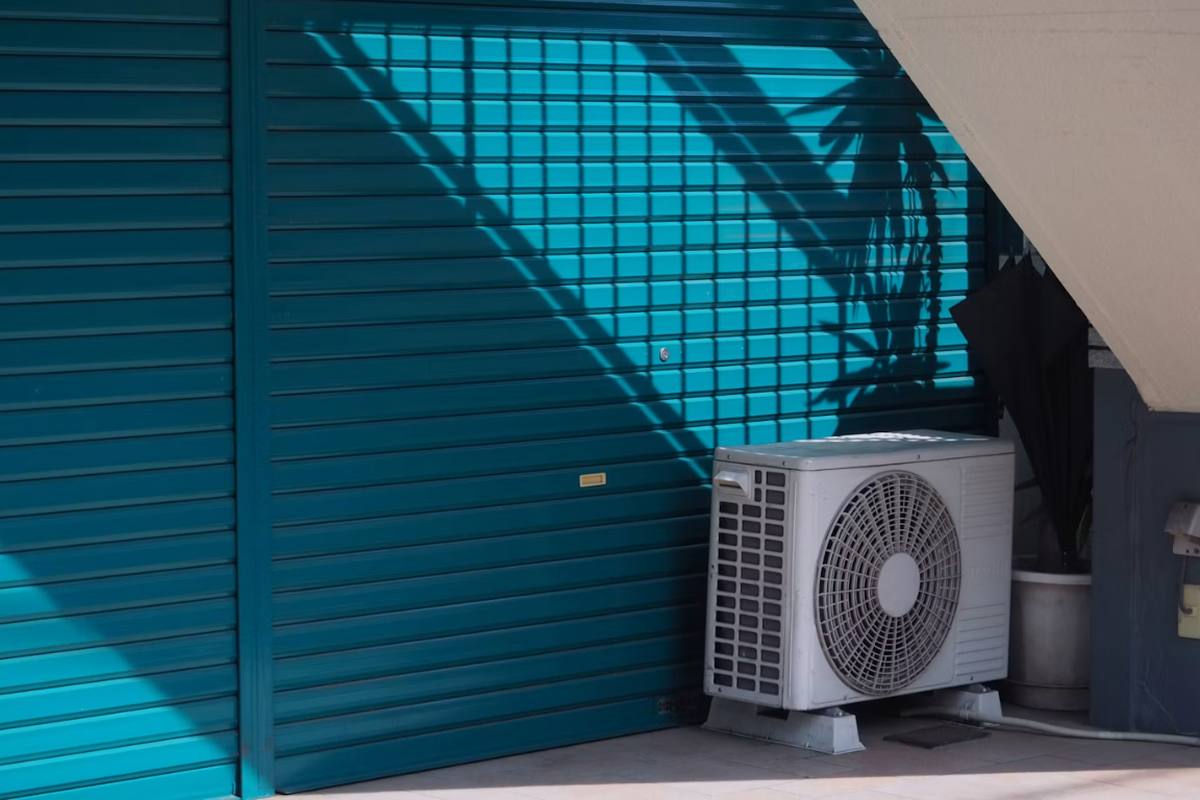
Two excellent brands with genuinely different priorities. The right answer depends on your climate, your installer network and how cold your winters get.
These two dominate the premium ductless market and the online arguments about them generate more heat than either unit. Here is a comparison based on what the differences mean in practice.
Mitsubishi’s Hyper-Heating line has a long track record in genuinely cold climates and holds rated capacity well into negative temperatures. Daikin’s cold-climate range is competitive on paper and has closed most of the gap, but Mitsubishi still has more field history in the Northeast and Upper Midwest. In a mild climate this difference is irrelevant.
Top models from both brands land in similar territory, with SEER2 figures in the mid-20s for single-zone systems. Differences of one or two points on a spec sheet are swamped by installation quality.
Daikin’s app ecosystem and thermostat integration is generally considered more flexible, particularly for whole-home setups. Mitsubishi’s controls are reliable but historically more closed, and third-party thermostat integration often needs an adapter.
Both are quiet. Indoor heads from either brand run in the low 20s dB at minimum fan speed. Outdoor units are where the difference shows up, and it varies more by model than by brand.
Most homeowners picture the rectangular wall unit, but both brands sell ceiling cassettes, slim concealed-duct air handlers that hide in a soffit or closet, and floor-mounted consoles for rooms where a wall unit does not fit the layout. Mitsubishi's catalog has the most depth here, and its multi-zone systems can mix two or three different head styles, say a wall unit in a bedroom and a concealed-duct handler feeding a hallway, off a single outdoor condenser. Daikin covers the same categories but with fewer style combinations on one multi-zone system. If your project needs anything other than a plain wall head in more than one room, ask the contractor to walk through exactly which indoor styles are compatible with the outdoor unit they are quoting, since not every combination is supported.
Wall-mounted heads also tend to publish the highest efficiency numbers on both brands' spec sheets. Cassettes and concealed-duct units usually rate a notch lower on the same outdoor unit, because pushing air through a ceiling grille or a short duct run costs static pressure that a direct wall discharge does not have to overcome.
Both brands include a dedicated dry mode that slows the indoor fan so air stays in contact with the cold coil longer, wringing out more moisture per cycle than straight cooling mode, and both drain that condensate through the same line the cooling mode uses. In practice, some of Daikin's cooling-only and hybrid models edge ahead in humid climates because of how their dry-mode logic manages fan speed and compressor cycling at partial load, though the gap is model-specific rather than a blanket brand advantage. If you live somewhere with long humid summers, ask specifically about the dry-mode performance of the exact model quoted rather than assuming the brand name settles it.
Whichever brand your local contractors install most is the brand with parts on the shelf and technicians who know its quirks. A perfectly matched Daikin installed by someone who has never commissioned one is worse than a Mitsubishi installed by a crew that does ten a month. Ask contractors what they install and why before you pick a brand.
Both offer long compressor warranties, typically 10–12 years with registration. Read the registration requirement carefully; it usually has a 60- or 90-day deadline after installation, and missing it can cut coverage in half.
Cold climate with a strong Mitsubishi dealer nearby: Mitsubishi. Mild to moderate climate, or you want tighter smart-home integration: Daikin. Anywhere else: choose the installer first and let them choose the brand.
Can I mix Mitsubishi indoor units with a Daikin outdoor unit, or vice versa? No. Indoor and outdoor units from different manufacturers are not designed to communicate with each other, and mixing brands voids both warranties. The entire system, outdoor condenser and every indoor head, has to come from one manufacturer.
Does a higher SEER2 number always mean a lower bill? Not reliably. SEER2 is measured under controlled lab conditions, and a one- or two-point difference between two top-tier models is easily erased by duct losses, a slightly oversized system, or a sloppy refrigerant charge. Installation quality moves the real-world number more than the spec sheet does.
Is it worth paying more for the brand with the longer track record in cold climates if I live somewhere mild? Generally no. Hyper-Heating-style low-temperature performance is a real advantage below roughly 5°F, but if your winters rarely approach that, you are paying for a capability you will not use, and other factors like installer familiarity and warranty terms matter more.
Homeowners who collect three written quotes typically save 12–18% on the same system. Tell us your ZIP and we will connect you with licensed installers in your area.
Every figure on this page is a range, not an average, and the distinction matters. A national average blends a garage mini split with a five-ton ducted replacement and describes neither. Ranges tell you where your own job is likely to land.
Found something out of date or contradicted by a quote you have in hand? Tell us — corrections are the messages we most want to receive.
Primary references for the figures and procedures on this page. Where a number here is a range drawn from field experience rather than a published measurement, it is labelled as such in the text.
Last checked September 2026. Prices are US ranges and vary by region; always confirm against written quotes.
Equipment brand accounts for a small share of how your system performs. Installation quality accounts for most of it. Screen the installer harder than the box.
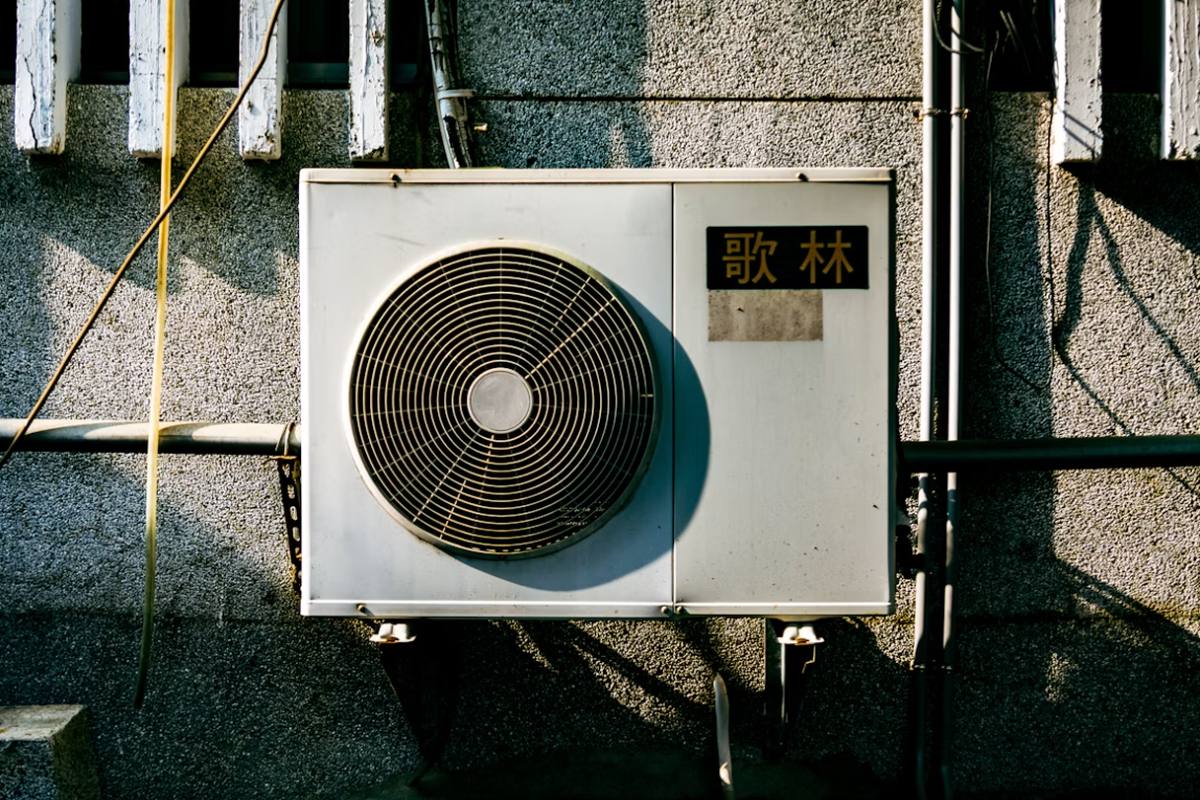
Start with the two possibilities that are completely normal, then work through the five that are not. Most cases resolve without a service call.
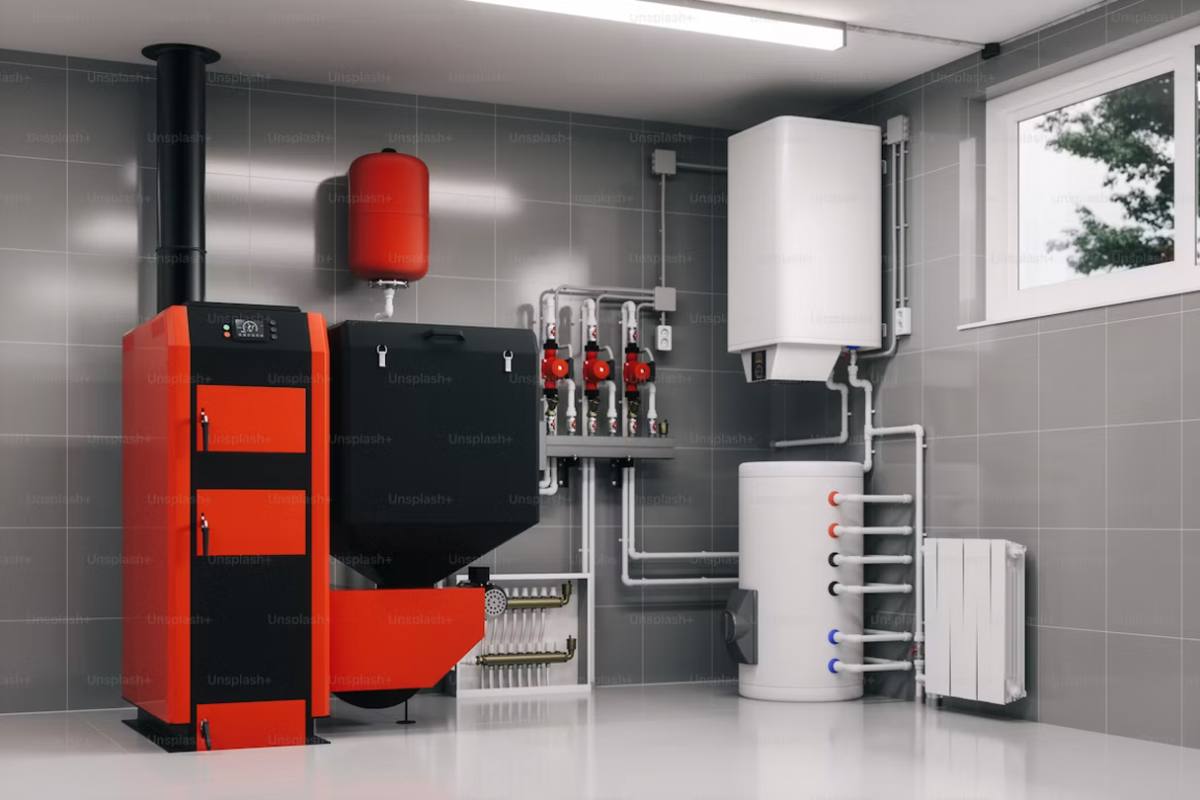
Mitsubishi reports faults as two-character codes and as LED blink patterns. Here is how to retrieve a code and what the major families of codes point to.
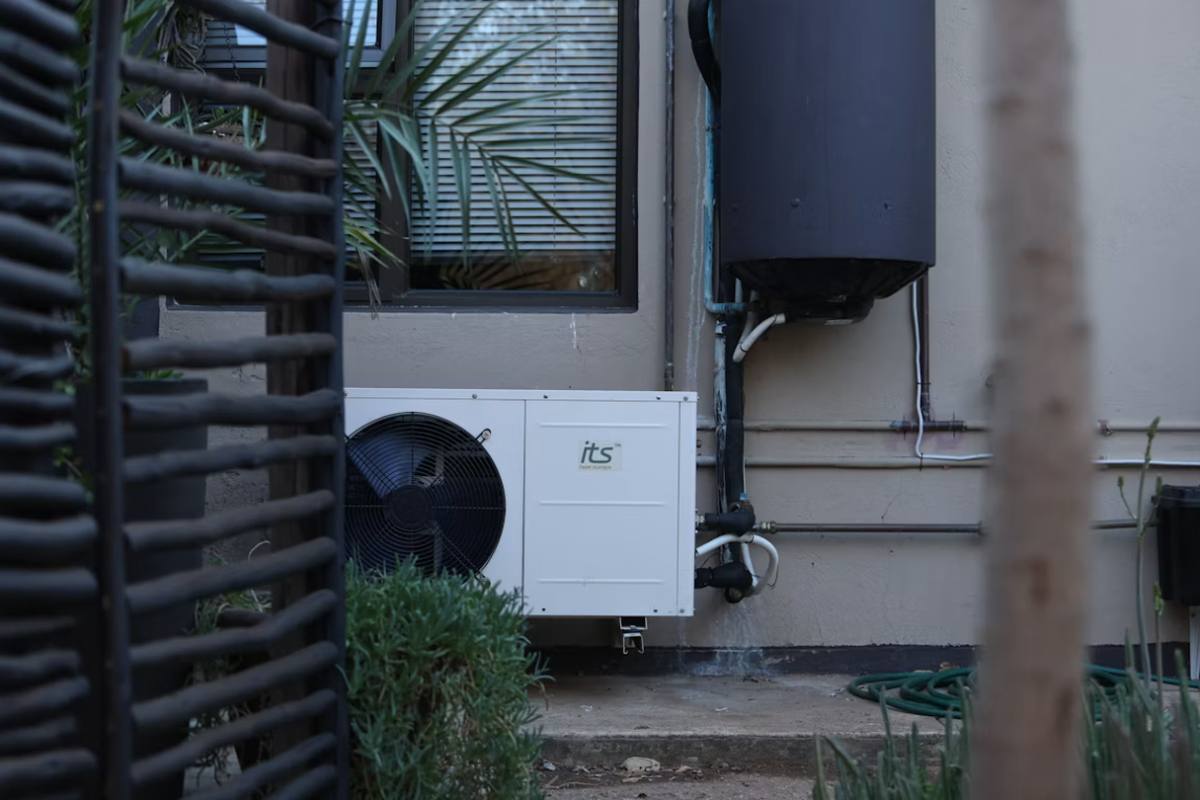
A light coating of frost in winter is expected. A block of ice encasing the coil or ice on the top of the unit is a problem you should not ignore.