How to Choose an HVAC Contractor: 12 Questions to Ask
Equipment brand accounts for a small share of how your system performs. Installation quality accounts for most of it. Screen the installer harder than the box.
Connect this button to your email provider (Mailchimp, ConvertKit or Beehiiv) to start collecting subscribers. The form endpoint goes here.
A standard smart thermostat can quietly triple your winter bill by calling for backup heat when it is not needed. Heat pump compatibility is not optional.
Thermostats designed for furnaces treat heat as a binary. Heat pumps need a controller that understands staging, defrost cycles and the difference between compressor heat and expensive resistance heat.
If you set back the temperature at night and a generic thermostat sees a five-degree gap in the morning, it will call for auxiliary heat to close it fast. That is resistance heating at roughly three times the cost of compressor heating. A heat-pump-aware thermostat ramps slowly instead, letting the compressor do the work.
Three names come up repeatedly among installers who work with conventional (non-inverter) heat pumps. The ecobee Smart Thermostat Premium and Enhanced support heat pump configurations up to 4 heat and 2 cool stages plus dual fuel, and ship with a Power Extender Kit in the box for homes that do not have a C-wire run to the thermostat, so a lack of that fifth wire is not automatically a dealbreaker. Honeywell Home’s T9 and T10 Pro support 3H/2C heat pump systems including dual fuel and pair with RedLINK room sensors, with an Adaptive Intelligent Recovery feature that learns how long your specific system takes to ramp up and adjusts start times so the house hits temperature on schedule instead of overshooting. The Google Nest Learning Thermostat supports multi-stage heat pumps with dual-fuel backup and includes balance-point-style control for deciding when the compressor should stop trying and hand off to resistance heat, and it can run on battery power in many installations, which is worth checking if your air handler has no C-wire either.
All three are legitimate options for a conventional heat pump. None of them are the right controller for an inverter-driven variable-speed or ductless system, which brings us to the next section.
A thermostat mounted in a hallway measures the hallway, not the bedroom that runs five degrees colder at night. Remote room sensors fix this by letting the system average temperature across multiple rooms, or prioritize specific rooms at specific times, rather than chasing one unrepresentative reading. Honeywell’s T9 sensors and ecobee’s bundled sensor both work this way, and the T10 Pro extends that to a larger number of paired sensors for bigger homes.
Geofencing, which eases the setpoint back when your phone leaves a set radius and begins recovery before you arrive home, is worth using because it softens rather than eliminates setbacks, which keeps the recovery problem described above from getting out of hand. The caveat: some owners report that an aggressive eco or away mode can let the house drift several degrees past where the app claims it should stop before backup heat engages, so check the actual room temperature against the app reading during the first cold week rather than trusting the display alone.
Modern variable-speed and ductless systems often communicate over a proprietary bus. Replacing the manufacturer’s controller with a third-party smart thermostat can force the unit into a dumb on/off mode and destroy its efficiency advantage. For these systems, use the manufacturer’s own controller or a factory-approved adapter, and check compatibility before you buy anything.
Do I need a C-wire for a heat pump thermostat? Most smart thermostats want one for reliable Wi-Fi and backlight power. Some models work around it, ecobee's included Power Extender Kit and Nest's battery operation both handle many no-C-wire installs, but a licensed technician can also run a C-wire during any other service visit if you would rather not rely on a workaround.
Are room sensors worth the extra cost? If your home has one room that consistently runs hotter or colder than the rest, yes. Averaging or prioritizing readings from that room usually fixes comfort complaints that no amount of thermostat programming alone will solve.
Will a smart thermostat alone lower my heating bill? Only if it is configured correctly for a heat pump. A heat-pump-aware thermostat with the lockout and differential set properly can meaningfully cut backup-heat runtime, but the default out-of-box settings on most models are tuned for a furnace and will not do this on their own.
Homeowners who collect three written quotes typically save 12–18% on the same system. Tell us your ZIP and we will connect you with licensed installers in your area.
Every figure on this page is a range, not an average, and the distinction matters. A national average blends a garage mini split with a five-ton ducted replacement and describes neither. Ranges tell you where your own job is likely to land.
Found something out of date or contradicted by a quote you have in hand? Tell us — corrections are the messages we most want to receive.
Primary references for the figures and procedures on this page. Where a number here is a range drawn from field experience rather than a published measurement, it is labelled as such in the text.
Last checked September 2026. Prices are US ranges and vary by region; always confirm against written quotes.
Equipment brand accounts for a small share of how your system performs. Installation quality accounts for most of it. Screen the installer harder than the box.
Start with the two possibilities that are completely normal, then work through the five that are not. Most cases resolve without a service call.
Mitsubishi reports faults as two-character codes and as LED blink patterns. Here is how to retrieve a code and what the major families of codes point to.
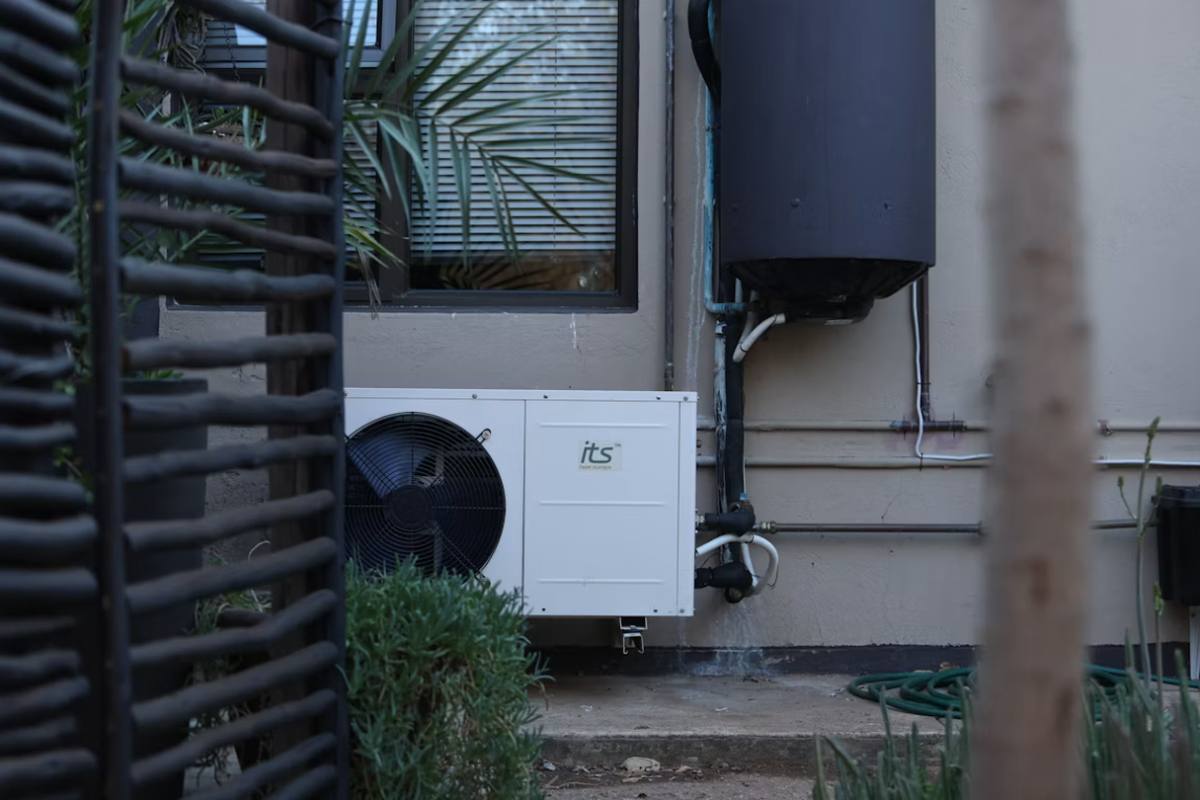
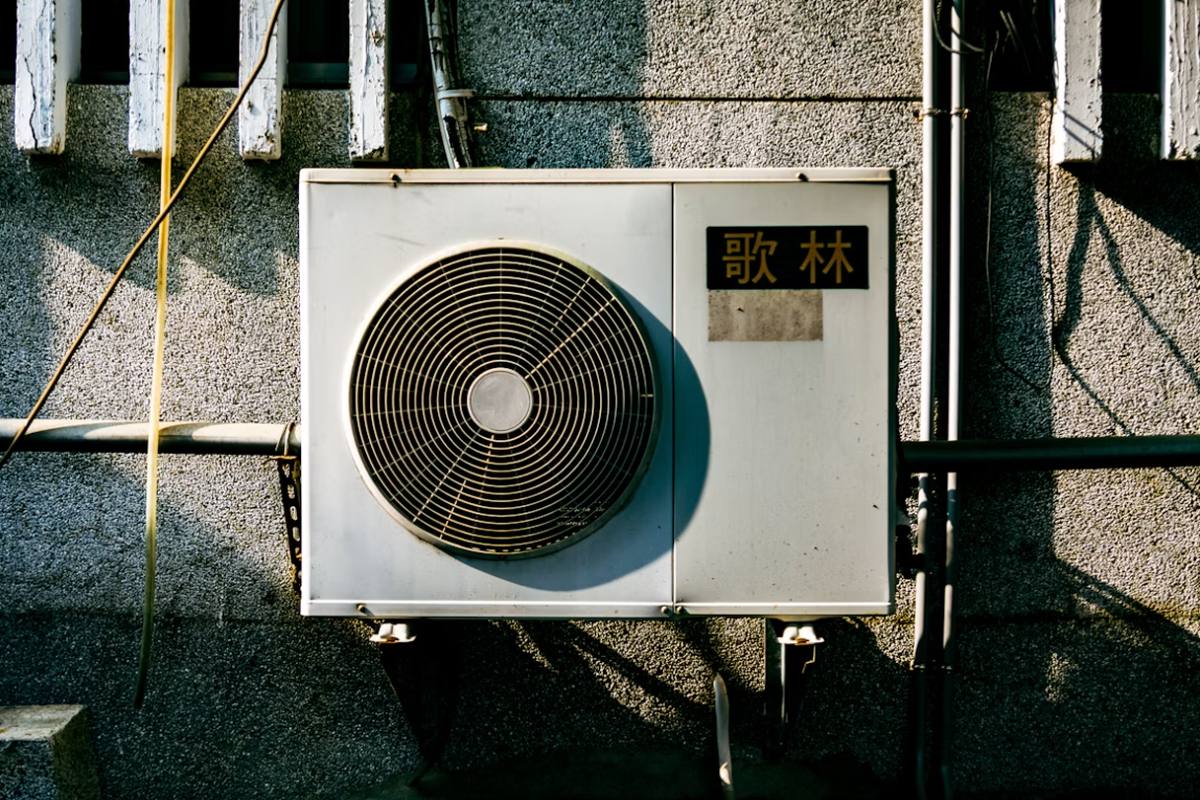
A light coating of frost in winter is expected. A block of ice encasing the coil or ice on the top of the unit is a problem you should not ignore.