
How to Choose an HVAC Contractor: 12 Questions to Ask
Equipment brand accounts for a small share of how your system performs. Installation quality accounts for most of it. Screen the installer harder than the box.
Connect this button to your email provider (Mailchimp, ConvertKit or Beehiiv) to start collecting subscribers. The form endpoint goes here.
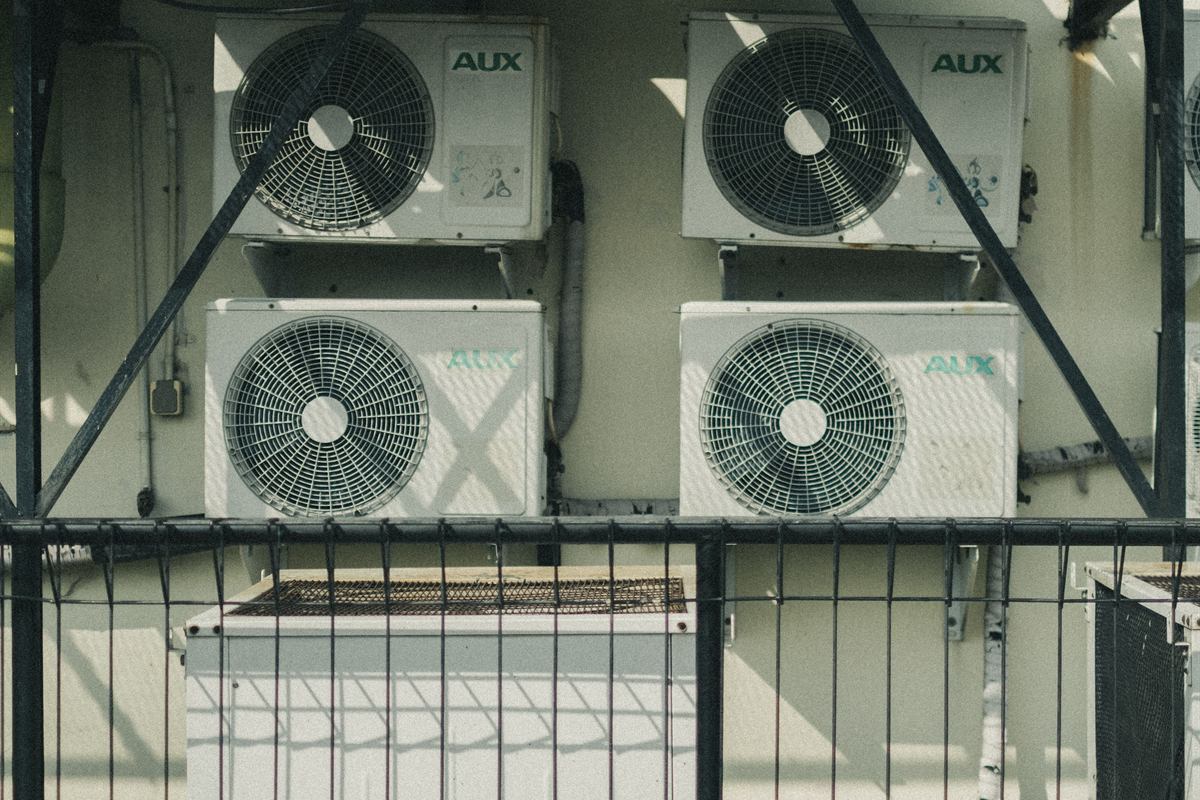
Every compressor start is the hardest thing your system does. A heat pump that starts and stops every few minutes is shortening its own life and raising your bill.
Short cycling means the system starts, runs briefly, shuts off, and starts again a few minutes later, repeatedly. It is not just annoying: every start draws a surge of current and puts the most wear on the compressor of anything the system does, so a short-cycling heat pump is quietly shortening its own life while raising your bill.
The first job is deciding whether what you are seeing is actually short cycling, because two entirely normal behaviours get mistaken for it.
A healthy heat pump runs roughly two to six cycles per hour, with individual run times commonly in the 15 to 20 minute range during the parts of the season when it is working hardest. In mild weather cycles are shorter and less frequent, because the house loses heat slowly.
The usual threshold for concern is a run time under about seven minutes, repeated. One short cycle means nothing. A pattern of five-minute runs, all afternoon, is a problem.
Two things that are not short cycling:
1. A dirty filter or restricted airflow. Always check this first because it is free and it is frequently the answer. Restricted airflow makes the coil reach a limit temperature quickly, tripping a safety and stopping the cycle before the house is satisfied. Blocked return vents and closed supply registers do the same thing.
2. Thermostat placement. A thermostat in direct sun, above a lamp, near a supply register, or on an exterior wall reads a temperature the rest of the house is not experiencing. It satisfies early, shuts the system down, then the reading drifts back and it calls again. The system is behaving correctly on bad information.
3. An oversized system. A heat pump with more capacity than the house needs satisfies the thermostat before completing a full cycle, every time. This is the cause you cannot fix with maintenance, and it is covered in detail in oversized and undersized system problems.
4. Low refrigerant charge. A leak lowers system pressure until a safety switch cuts the compressor out, then pressures equalise and it restarts. The cycling is the protection working. Left alone, running low on charge damages the compressor.
5. A failing capacitor or contactor. A weak start capacitor lets the compressor start and then drop out. A pitted contactor makes intermittent connection. Both produce cycling that often comes with a hum or a repetitive click.
6. Electrical supply problems. Low or fluctuating voltage causes the compressor to draw excess current and trip its overload protection, restarting once it cools.
7. A dirty outdoor coil. In heating, a coil blocked by debris cannot absorb heat; in cooling it cannot reject it. Either way, pressures move toward the safety limits and the system trips out early.
| What else you notice | Points toward |
|---|---|
| Happens in both heating and cooling, year-round | Oversizing, thermostat placement, or airflow |
| Only in cooling, and the house feels clammy | Oversizing |
| Only in extreme weather | Refrigerant charge or a dirty coil |
| Started suddenly on a system that was fine | Capacitor, contactor, refrigerant leak or filter |
| Gradually got worse over a season or two | Slow refrigerant leak or accumulating coil fouling |
| Humming or clicking at each attempt | Capacitor or contactor |
| Ice on the outdoor unit as well | Airflow, charge, or a defrost fault |
| One room comfortable, others not | Thermostat placement or duct distribution |
If the system is oversized, no amount of filter changing fixes it, and this is the single most common structural cause. It usually traces back to sizing by square footage or by matching whatever was there before, rather than by a Manual J load calculation.
On an existing oversized system there are partial mitigations: a variable-speed or two-stage system can run at reduced capacity, adjusting the thermostat differential helps, and improving duct distribution reduces the temperature swings that trigger early satisfaction. None of them fully compensate. If you are replacing equipment, insisting on a real load calculation is how you avoid inheriting the problem for another fifteen years.
How many times per hour should a heat pump turn on? Roughly two to six cycles per hour under load, with runs commonly around 15 to 20 minutes. Repeated runs shorter than about seven minutes indicate a problem worth investigating.
Is short cycling damaging my heat pump? Yes, over time. Compressor starts are the hardest thing it does, and multiplying them accelerates wear on the compressor, contactor and capacitor. It also raises energy use, since a system spends its least efficient minutes at startup.
Could a smart thermostat be causing it? It can contribute if the differential or cycle-rate setting is too tight for a heat pump, or if the equipment type was configured as a furnace during setup. Our thermostat guide covers the settings that matter for heat pumps specifically.
Why does my house feel humid even though the temperature is right? That is the classic oversizing signature in cooling. Removing moisture requires sustained runtime across a cold coil, and a system that satisfies the thermostat in six minutes never gets there. Temperature is correct, comfort is not.
Homeowners who collect three written quotes typically save 12–18% on the same system. Tell us your ZIP and we will connect you with licensed installers in your area.
Diagnostic steps here are ordered by how often each cause turns out to be the answer, not by how serious it is. That is deliberate: working the common causes first is what saves you a service call, and the rare-but-severe ones are flagged where they apply.
Primary references for the figures and procedures on this page. Where a number here is a range drawn from field experience rather than a published measurement, it is labelled as such in the text.
Last checked September 2026. Rebate amounts and program status change frequently; always confirm against the official program page before you sign a contract.
Equipment brand accounts for a small share of how your system performs. Installation quality accounts for most of it. Screen the installer harder than the box.

Installed prices run from $5,500 for a straightforward single-zone swap to $22,000 for a whole-home ducted system with electrical work. Here is what drives the difference.

The first zone carries the outdoor unit and most of the labor. Every zone after that is comparatively cheap — until you cross the multi-head threshold.

The short answer is yes, and modern cold-climate units are rated to keep producing useful heat down to -13°F. The longer answer is about capacity, not failure.