
How to Choose an HVAC Contractor: 12 Questions to Ask
Equipment brand accounts for a small share of how your system performs. Installation quality accounts for most of it. Screen the installer harder than the box.
Connect this button to your email provider (Mailchimp, ConvertKit or Beehiiv) to start collecting subscribers. The form endpoint goes here.
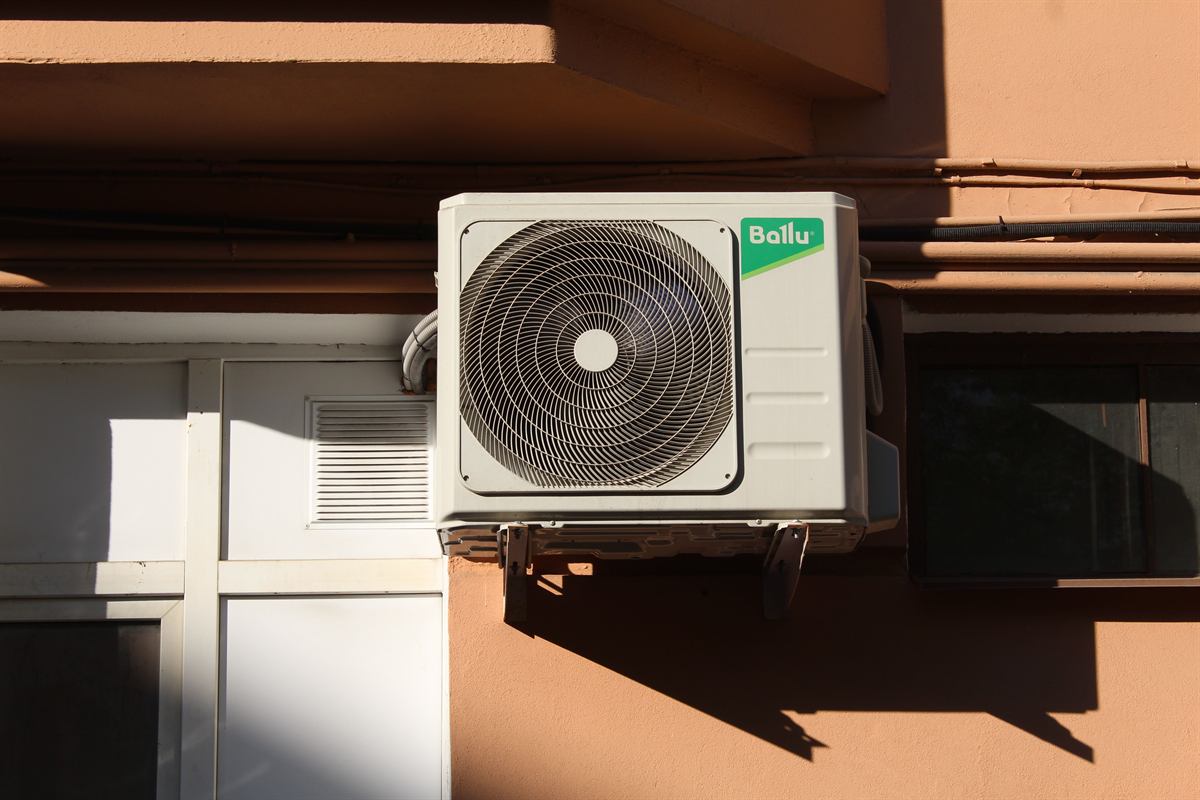
A heat pump that will not start is usually something small. Fifteen minutes of checks, in the order that finds the cause fastest.
A heat pump that will not start is usually something small. Roughly in order of how often each turns out to be the cause, here is a checklist you can work through in fifteen minutes before paying anyone a diagnostic fee.
Work through it in order. The sequence matters, because the early items are both the most common and the ones that cost nothing to rule out.
Not just "it is set to heat." Check all of these:
If you recently replaced the thermostat, the odds shift sharply toward a wiring or configuration error, particularly the O/B reversing valve setting, which is covered in our heat pump thermostat guide.
A heat pump normally has two breakers: one for the outdoor unit and one for the indoor air handler. People check one and stop.
A tripped breaker is not always obviously tripped; some sit in a middle position that looks close to normal. To reset one properly, push it fully to Off first, then firmly back to On. Flipping it from the middle position does not reset it.
If a breaker trips again immediately, stop. That is a genuine electrical fault, and repeatedly resetting a breaker onto a short is how equipment damage and fires start.
There is a service disconnect box mounted on the wall near the outdoor unit, and it can be switched off, have a pulled fuse block, or have been left off after service or landscaping work. Open the cover and confirm the switch is in the On position or the pull-out block is fully seated.
This is the one that catches most people out, because the symptom looks like a total failure while the cause is a plumbing problem.
Systems have a float switch in the drain pan that shuts the whole system down when condensate backs up, deliberately, to stop water damaging your ceiling. A clogged drain line raises the water level, the float rises, and the system refuses to start. Everything else looks fine.
Look for standing water in the drain pan under the indoor unit. If the pan is full, clearing the drain line resolves the shutdown. Until the water level drops, the system stays off no matter what the thermostat says.
A severely clogged filter restricts airflow enough to trip safety limits. Check it, and replace it if it has been more than a couple of months.
Many air handlers also have a door interlock switch that cuts power when the access panel is not properly closed. If someone recently changed a filter and did not latch the panel fully, the system will not run.
Clear debris, leaves, tall grass or snow around and inside the unit. Look for ice: a unit encased in ice may be in a stalled state rather than genuinely dead, which is covered in the frozen outdoor unit guide.
Also listen. A hum or buzz with no fan movement, or a repetitive click every few seconds, means the system is trying to start and something is preventing it. That is typically a capacitor or contactor, and it is a technician job rather than a homeowner one.
Before concluding anything, wait. Heat pumps have a built-in compressor protection delay, commonly three to ten minutes, that prevents restarting immediately after shutdown. If you have just cycled power or adjusted the thermostat repeatedly, the system may be sitting in that delay, working exactly as designed.
Set the thermostat and leave it alone for ten full minutes before deciding nothing is happening. Repeatedly cycling power resets the delay each time, which can make a working system look broken indefinitely.
If everything above checks out, a proper power reset is the last homeowner-level step. Done correctly it clears transient control board faults. Our reset guide covers the sequence, including why powering the indoor and outdoor units back on in the right order matters.
Once. If the system does not start after one correct reset, further resets will not help and you are into technician territory.
| Symptom | Most likely cause |
|---|---|
| Thermostat display blank | Batteries, or lost C-wire power |
| Nothing at all, indoors or out | Breaker, disconnect, or float switch |
| Indoor blower runs, outdoor unit dead | Outdoor breaker, disconnect, contactor or capacitor |
| Outdoor unit runs, no indoor airflow | Blower motor, door switch, or indoor breaker |
| Humming or buzzing, no movement | Failed capacitor or seized motor |
| Clicking every few seconds | Contactor chattering, often low control voltage |
| Starts then stops within seconds | Safety limit tripping, or a genuine fault |
| Water in or around the indoor unit | Clogged drain and a tripped float switch |
Call a technician if a breaker trips repeatedly, if you smell anything burning, if you see scorch marks at any electrical connection, if the unit hums without starting, or if you have worked through this list without result. If there is a burning smell, read burning smells first, because part of that answer is to cut power immediately rather than keep testing.
Have the model numbers of both units and a description of exactly what does and does not happen when you call for a setpoint change. That detail routinely shortens the visit.
Why does my heat pump work for cooling but not heating? That pattern points at the reversing valve, its solenoid, or the thermostat's O/B configuration rather than at a general power problem. If it started right after a thermostat replacement, suspect the O/B setting first.
The system was working yesterday and today it is dead with no warning. Sudden total failure usually means power: a breaker, the disconnect, or a float switch that filled overnight. Gradual decline usually means a component wearing out. The suddenness itself is diagnostic.
Is it safe to keep resetting the breaker? No. One reset to clear a nuisance trip is reasonable. A breaker that trips again is detecting a real fault, and it is doing its job. Repeatedly forcing it back on defeats the protection.
Could low refrigerant stop it from turning on entirely? Yes, indirectly. Low pressure can trip a safety switch that prevents the compressor from starting, which protects it from running dry. The system looks dead, but the underlying problem is a leak that needs a certified technician.
Homeowners who collect three written quotes typically save 12–18% on the same system. Tell us your ZIP and we will connect you with licensed installers in your area.
Diagnostic steps here are ordered by how often each cause turns out to be the answer, not by how serious it is. That is deliberate: working the common causes first is what saves you a service call, and the rare-but-severe ones are flagged where they apply.
Primary references for the figures and procedures on this page. Where a number here is a range drawn from field experience rather than a published measurement, it is labelled as such in the text.
Last checked September 2026. Rebate amounts and program status change frequently; always confirm against the official program page before you sign a contract.
Equipment brand accounts for a small share of how your system performs. Installation quality accounts for most of it. Screen the installer harder than the box.

Installed prices run from $5,500 for a straightforward single-zone swap to $22,000 for a whole-home ducted system with electrical work. Here is what drives the difference.

The first zone carries the outdoor unit and most of the labor. Every zone after that is comparatively cheap — until you cross the multi-head threshold.

The short answer is yes, and modern cold-climate units are rated to keep producing useful heat down to -13°F. The longer answer is about capacity, not failure.