
How to Choose an HVAC Contractor: 12 Questions to Ask
Equipment brand accounts for a small share of how your system performs. Installation quality accounts for most of it. Screen the installer harder than the box.
Connect this button to your email provider (Mailchimp, ConvertKit or Beehiiv) to start collecting subscribers. The form endpoint goes here.
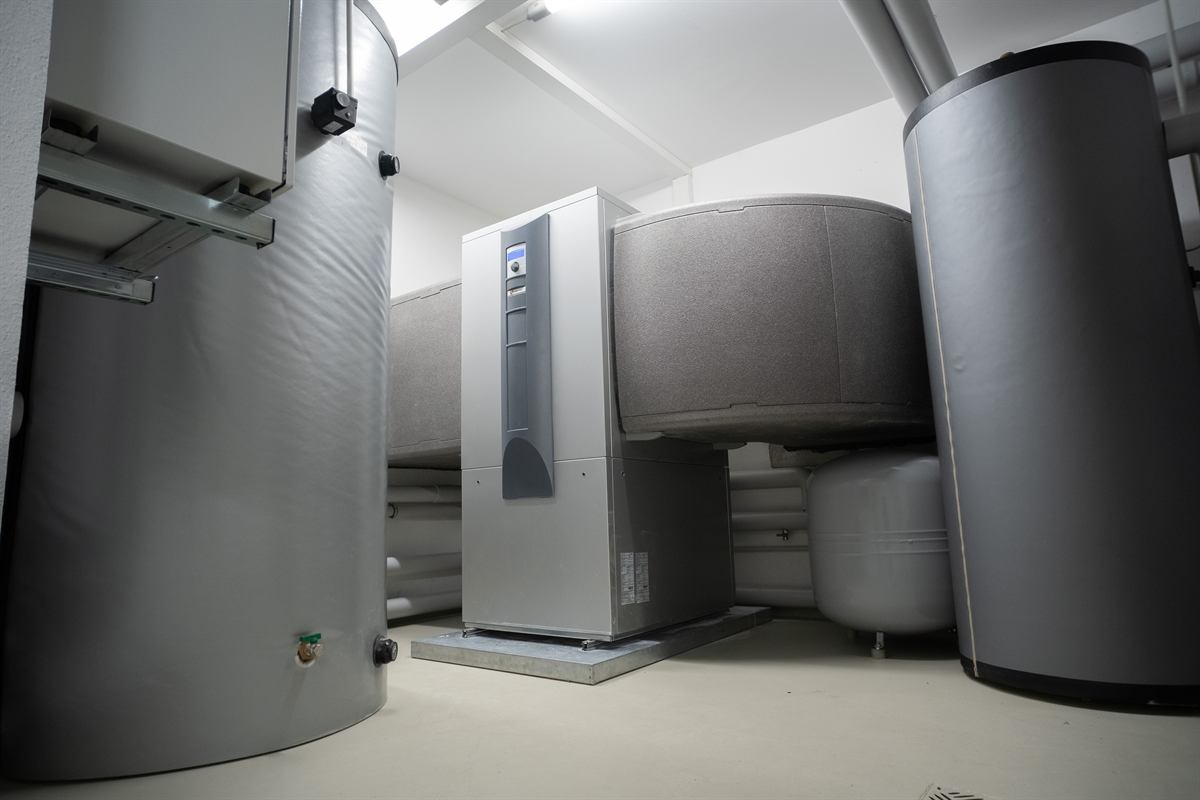
A tune-up runs roughly $80 to $200, and a heat pump needs two a year rather than one. Here is what is actually in the visit, and which parts of it you can do yourself.
Two numbers matter, and people usually quote the wrong one. A single tune-up visit is not the same as a year of maintenance on a heat pump.
| What you are buying | Typical 2026 range |
|---|---|
| Single tune-up visit | $80–$200, most commonly $100–$150 |
| A full year (two visits) | roughly $160–$350 |
| Annual maintenance plan (two visits bundled) | $120–$360, commonly $150–$350 |
A heat pump costs slightly more per visit than a furnace-and-AC pairing, and needs servicing twice rather than once, because it runs year-round in both directions and has more to check. That is the honest reason the annual figure looks higher than the number people remember for a furnace.
If a quote comes in far below these ranges, ask what is included. A $49 "tune-up" is usually a lead-generation visit built around finding something to sell rather than a full service.
A proper service covers things you cannot check from the outside. Ask for the checklist in writing, and expect it to include:
The capacitor check is where the economics live. A capacitor replaced during a scheduled visit is a modest cost. The same capacitor failing during a January cold snap is an emergency call at emergency rates, plus a cold house.
Three homeowner tasks account for most of the preventable problems, and none of them require tools you do not have.
What to leave alone: anything sealed, anything at line voltage, and anything involving refrigerant. Refrigerant handling requires EPA Section 608 certification as a matter of federal law, not preference.
Plans are sold on energy savings, which is the weakest part of the case. The stronger arguments are less advertised:
Where a plan is worth less: on equipment still inside its labour warranty, where the repair discount has little to bite on. Where it is worth most: on an out-of-warranty system, or any system where losing the compressor coverage would hurt.
Read what the plan actually covers before signing. Some are two visits plus discounts. Others quietly count a diagnostic fee as one of the visits.
Maintenance protects a system that is fundamentally sound. It does not fix a system that was sized or installed wrong, and it is worth knowing which one you have.
Signs that servicing is not your problem: rooms that have never been comfortable since installation, a system that short cycles in mild weather, humidity that stays high while the thermostat reads correctly, or backup heat that runs on days that are not cold. Those point at sizing and installation, and no tune-up corrects them.
On repair-versus-replace, the usual framing is to weigh the repair against the remaining life. A significant repair on a system in its final years rarely makes sense, and our installation cost breakdown plus the rebates available in your state are the two figures that decide it.
How often does a heat pump really need servicing? Twice a year is the standard recommendation, in spring before cooling and autumn before heating, because the system works in both directions. Once a year is the practical minimum, and autumn is the more valuable visit if you only book one.
Does skipping maintenance void my warranty? It does not void it automatically, but manufacturers can require evidence of reasonable maintenance when assessing a major claim. Keeping invoices is the cheap insurance here.
Can I clean the outdoor coil with a pressure washer? No. The fins are soft aluminium and bend under pressure, which restricts the airflow you were trying to restore. A garden hose at normal pressure, sprayed from the inside outward with the power off, is the correct method.
Is a $49 tune-up a good deal? Usually not. At that price the visit is a customer-acquisition cost, and the incentive is to find billable work rather than to complete a thorough checklist. Ask what specific tasks are included before booking on price alone.
Price ranges here come from published 2026 US pricing surveys and are given as ranges rather than single figures, because regional labour rates move them more than anything else. Tasks are split explicitly into what a homeowner can do safely and what requires a licensed technician, rather than presented as one undifferentiated checklist.
Primary references for the figures and procedures on this page. Where a number here is a range drawn from field experience rather than a published measurement, it is labelled as such in the text.
Last checked September 2026. Prices are US ranges and move with regional labour rates; always confirm against a written quote.
Equipment brand accounts for a small share of how your system performs. Installation quality accounts for most of it. Screen the installer harder than the box.

Installed prices run from $5,500 for a straightforward single-zone swap to $22,000 for a whole-home ducted system with electrical work. Here is what drives the difference.

The first zone carries the outdoor unit and most of the labor. Every zone after that is comparatively cheap — until you cross the multi-head threshold.

The short answer is yes, and modern cold-climate units are rated to keep producing useful heat down to -13°F. The longer answer is about capacity, not failure.