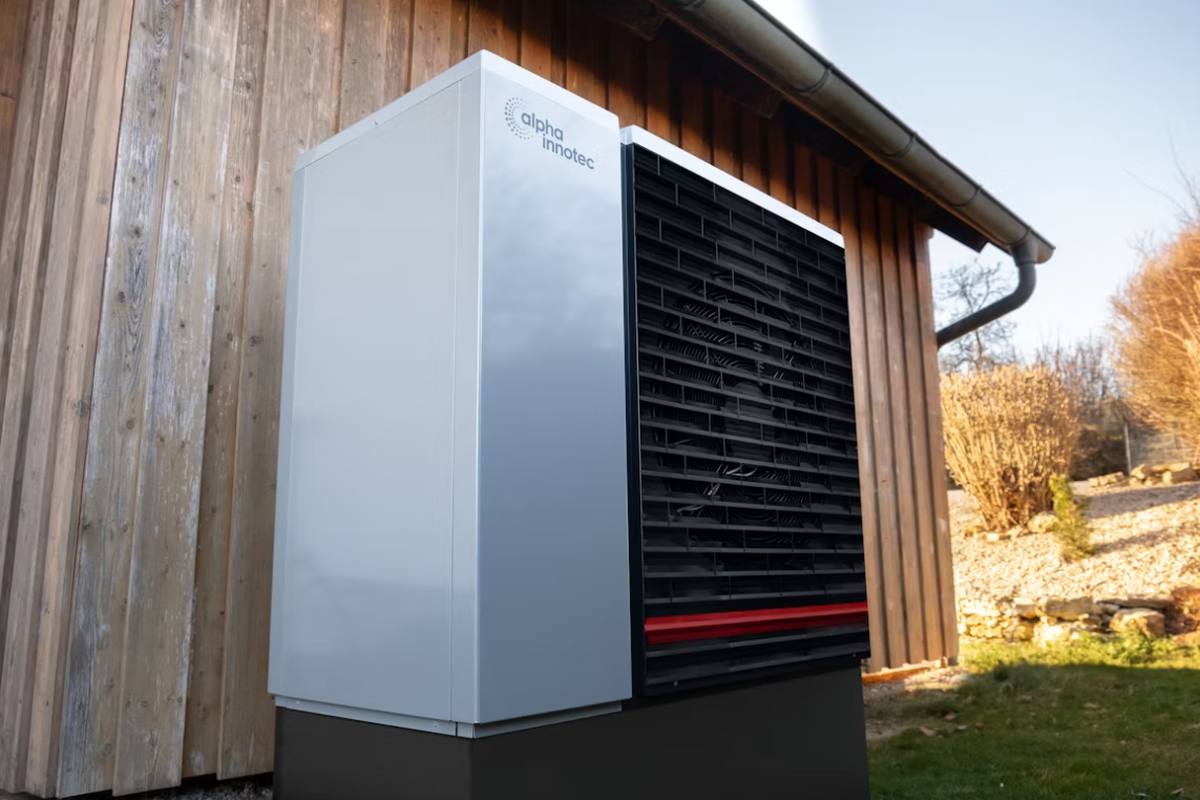
How Does a Heat Pump Work? A Homeowner’s Plain-English Guide
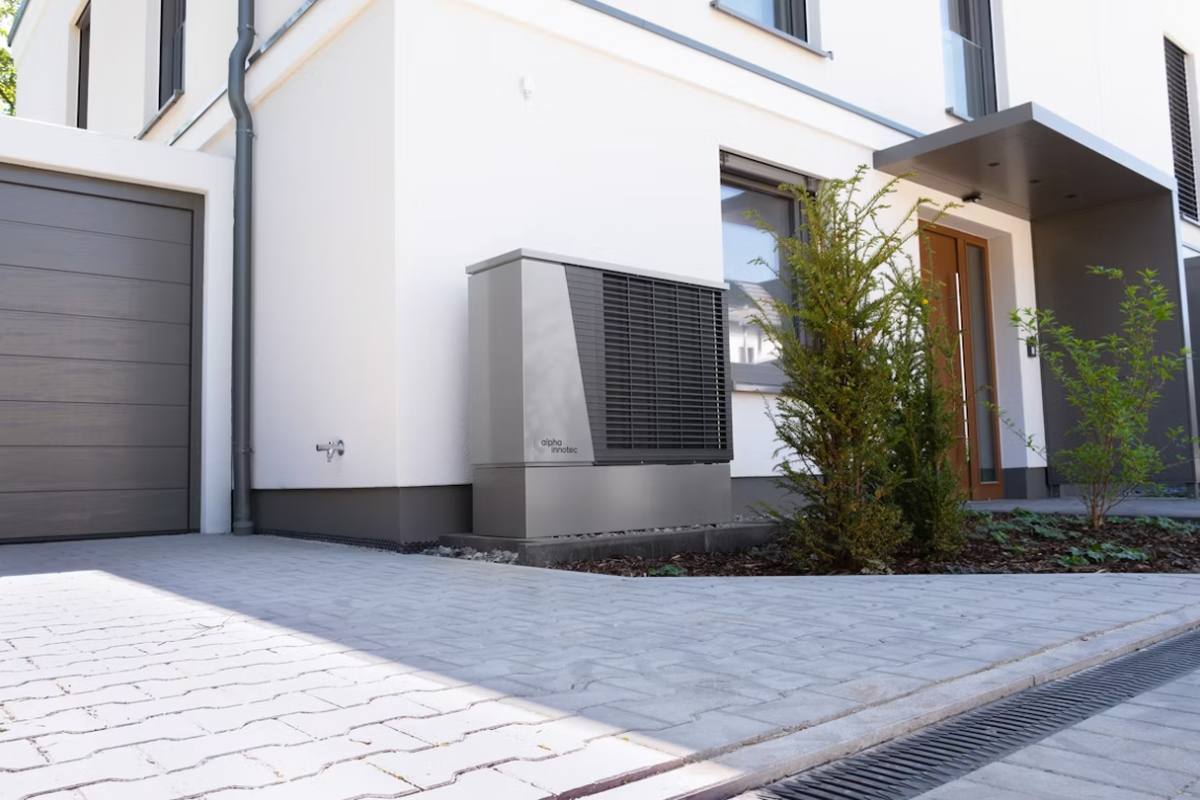
A heat pump does not make heat. It moves heat that already exists, which is exactly why it can deliver three or four units of warmth for every unit of electricity it drinks.
Connect this button to your email provider (Mailchimp, ConvertKit or Beehiiv) to start collecting subscribers. The form endpoint goes here.
Installed prices, honest sizing, brand comparisons and error codes — written for homeowners, checked by a licensed technician, and paid for by nobody who sells equipment.
A heat pump does not make heat. It moves heat that already exists, which is exactly why it can deliver three or four units of warmth for every unit of electricity it drinks.

The short answer is yes, and modern cold-climate units are rated to keep producing useful heat down to -13°F. The longer answer is about capacity, not failure.
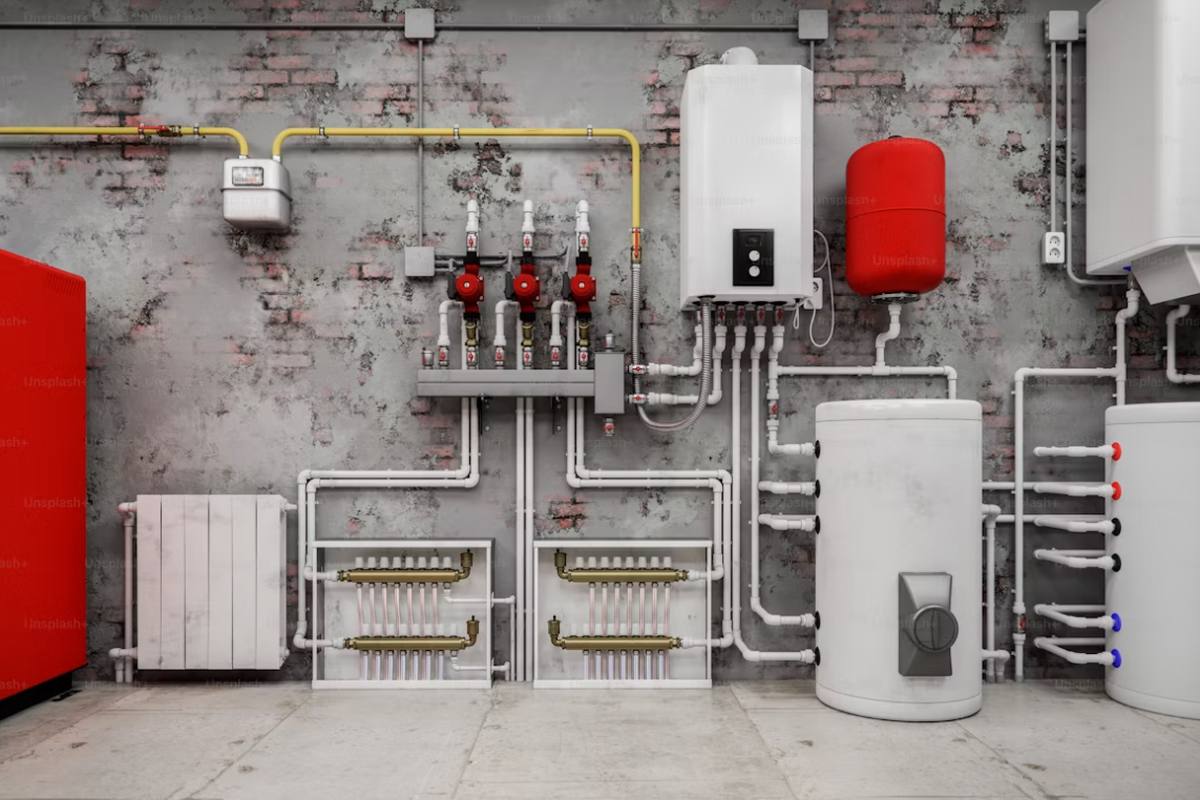
The comparison everyone gets wrong, because they compare efficiency percentages instead of comparing the price of a delivered BTU.
COP is the cleanest efficiency number in HVAC and the one manufacturers are least eager to put on the box. Here is how to read it.
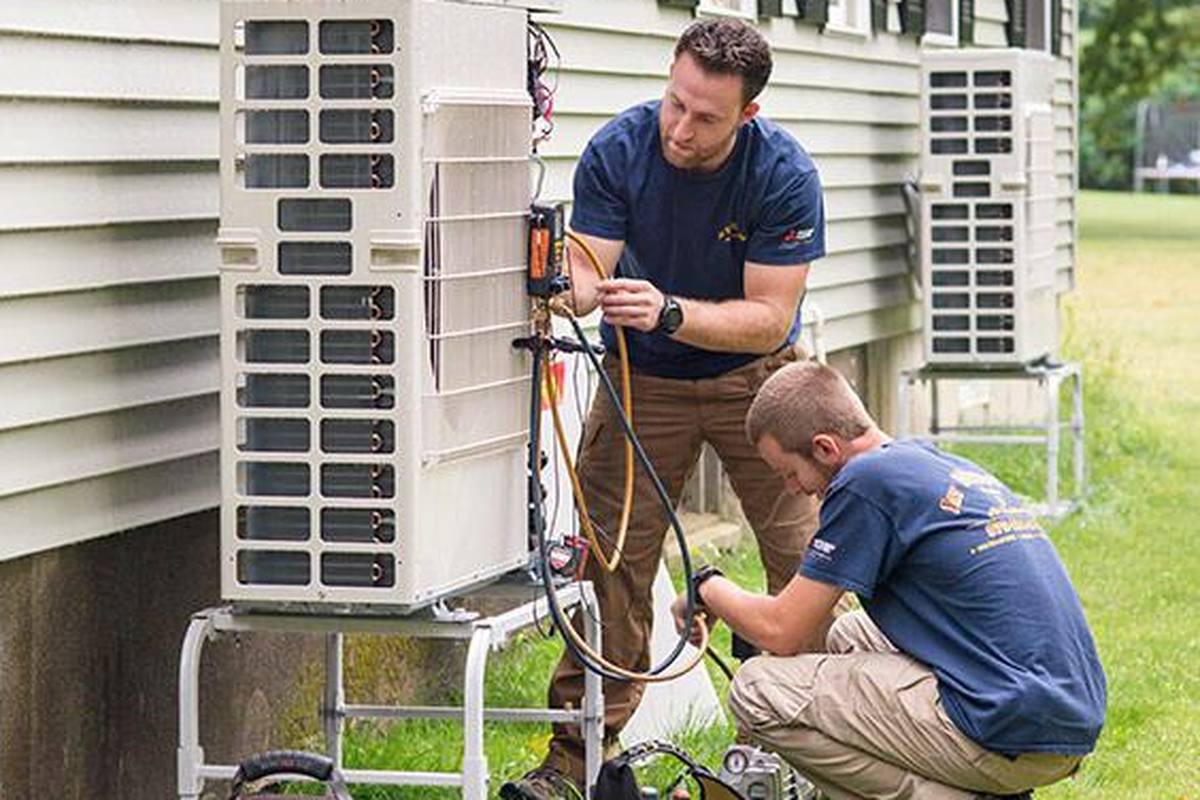
Installed prices run from $5,500 for a straightforward single-zone swap to $22,000 for a whole-home ducted system with electrical work. Here is what drives the difference.
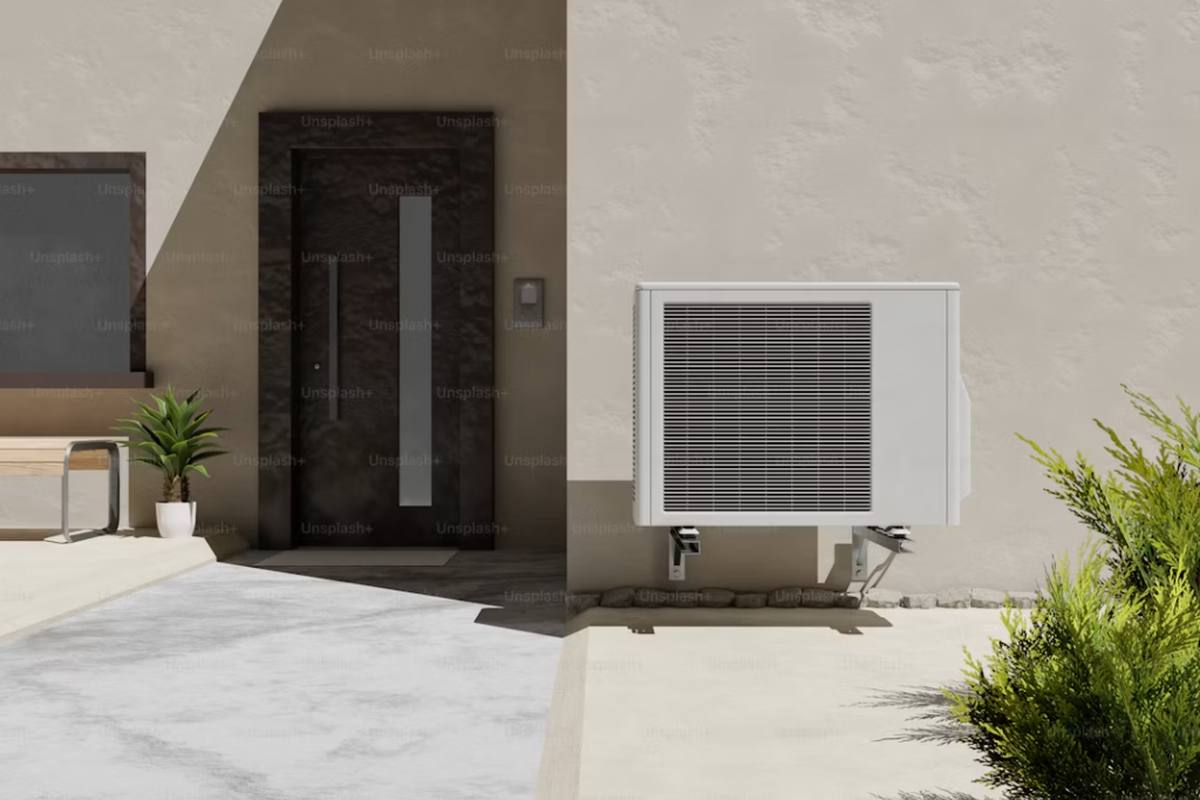
The first zone carries the outdoor unit and most of the labor. Every zone after that is comparatively cheap — until you cross the multi-head threshold.
A heat pump does not make heat. It moves heat that already exists, which is exactly why it can deliver three or four units of warmth for every unit of electricity it drinks.
Continue reading
The short answer is yes, and modern cold-climate units are rated to keep producing useful heat down to -13°F. The longer answer is about capacity, not failure.
Continue reading
The comparison everyone gets wrong, because they compare efficiency percentages instead of comparing the price of a delivered BTU.
Continue reading
COP is the cleanest efficiency number in HVAC and the one manufacturers are least eager to put on the box. Here is how to read it.
Continue reading
Installed prices run from $5,500 for a straightforward single-zone swap to $22,000 for a whole-home ducted system with electrical work. Here is what drives the difference.
Continue reading
The first zone carries the outdoor unit and most of the labor. Every zone after that is comparatively cheap — until you cross the multi-head threshold.
Continue readingHomeowners who collect three written quotes typically save 12–18% on the same system. Tell us your ZIP and we will connect you with licensed installers in your area.
Connect this form to your lead partner (Modernize, Networx, HomeAdvisor). This channel often out-earns display ads in this niche.
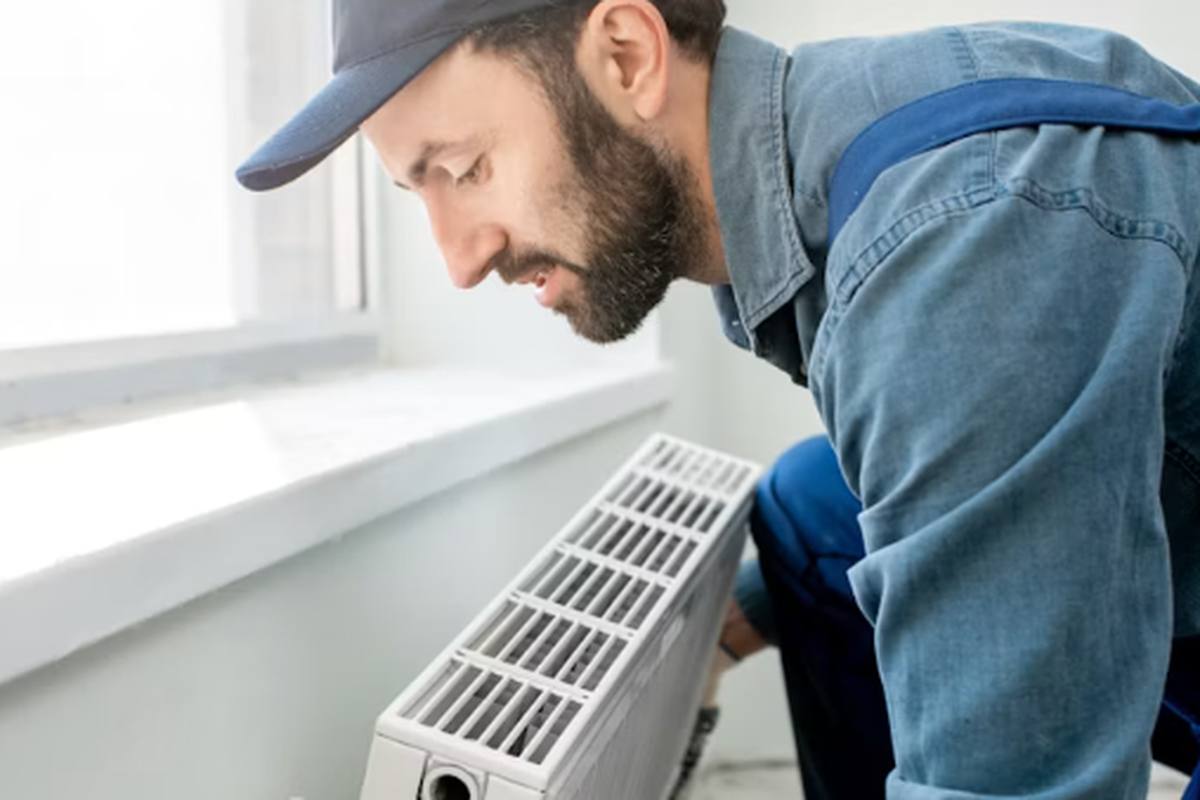
Equipment brand accounts for a small share of how your system performs. Installation quality accounts for most of it. Screen the installer harder than the box.
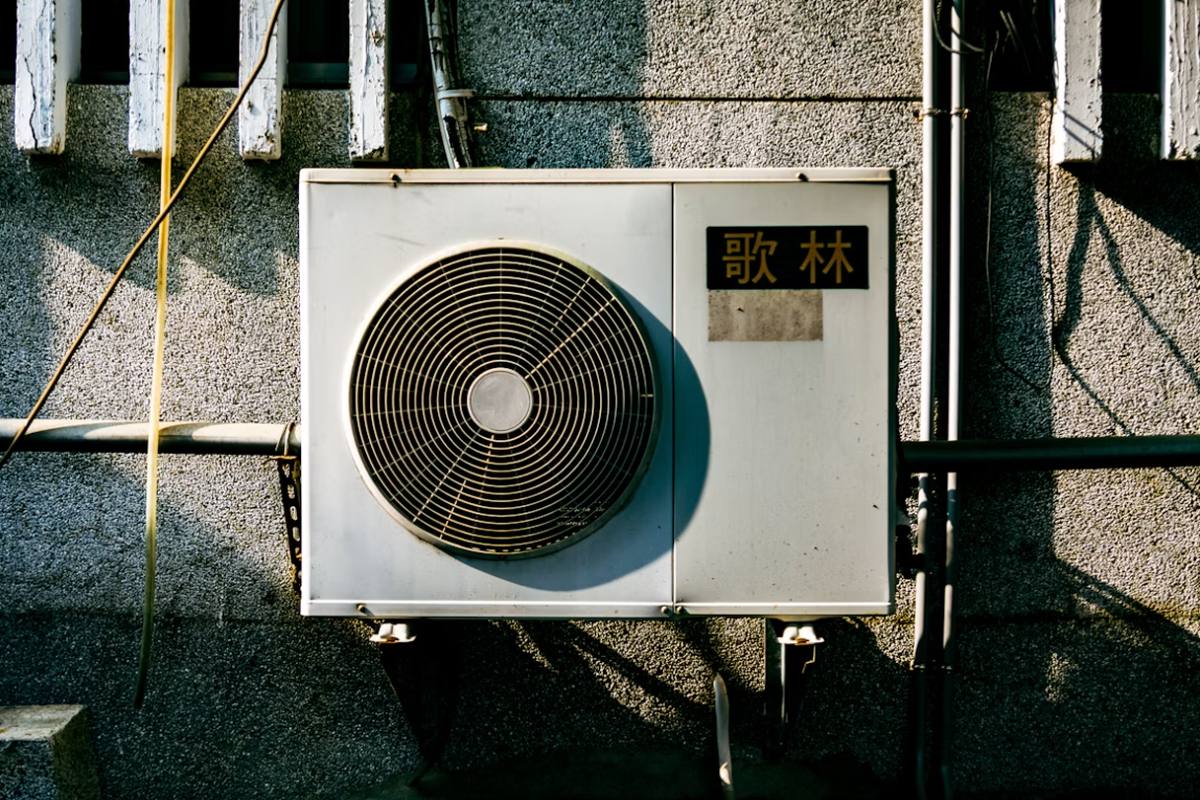
Start with the two possibilities that are completely normal, then work through the five that are not. Most cases resolve without a service call.
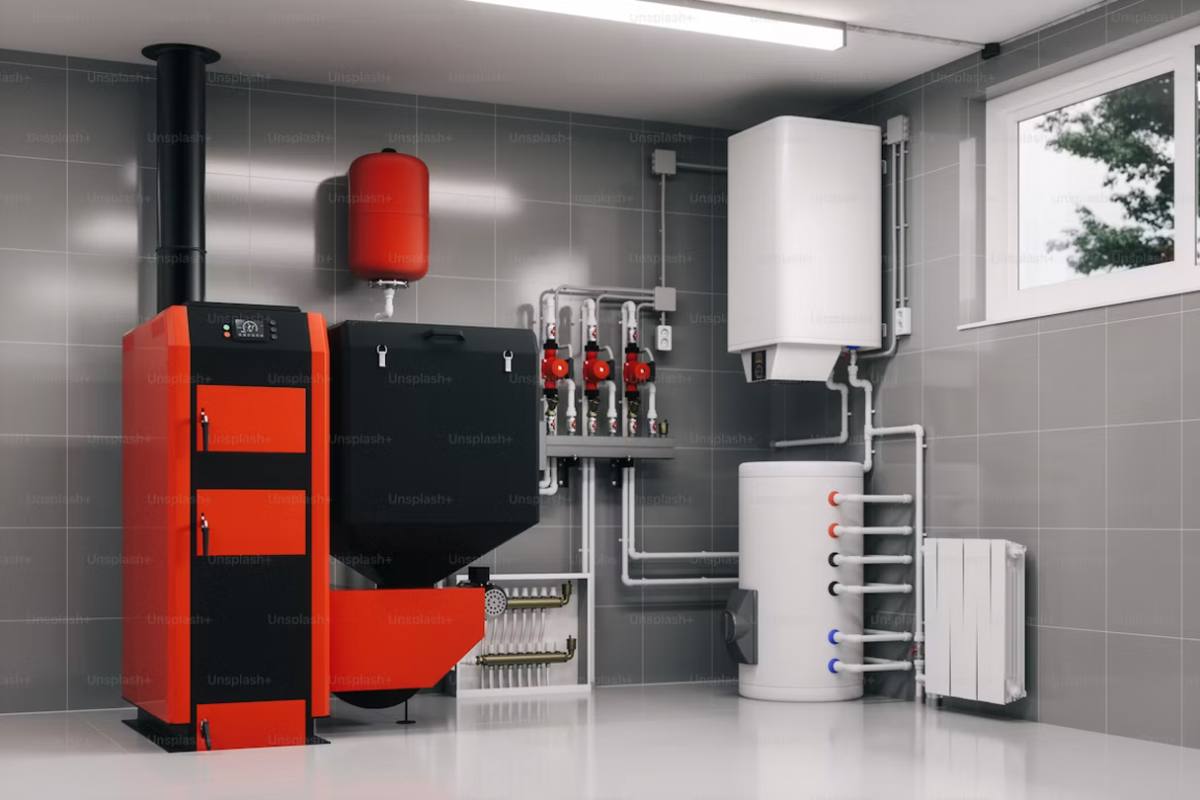
Mitsubishi reports faults as two-character codes and as LED blink patterns. Here is how to retrieve a code and what the major families of codes point to.
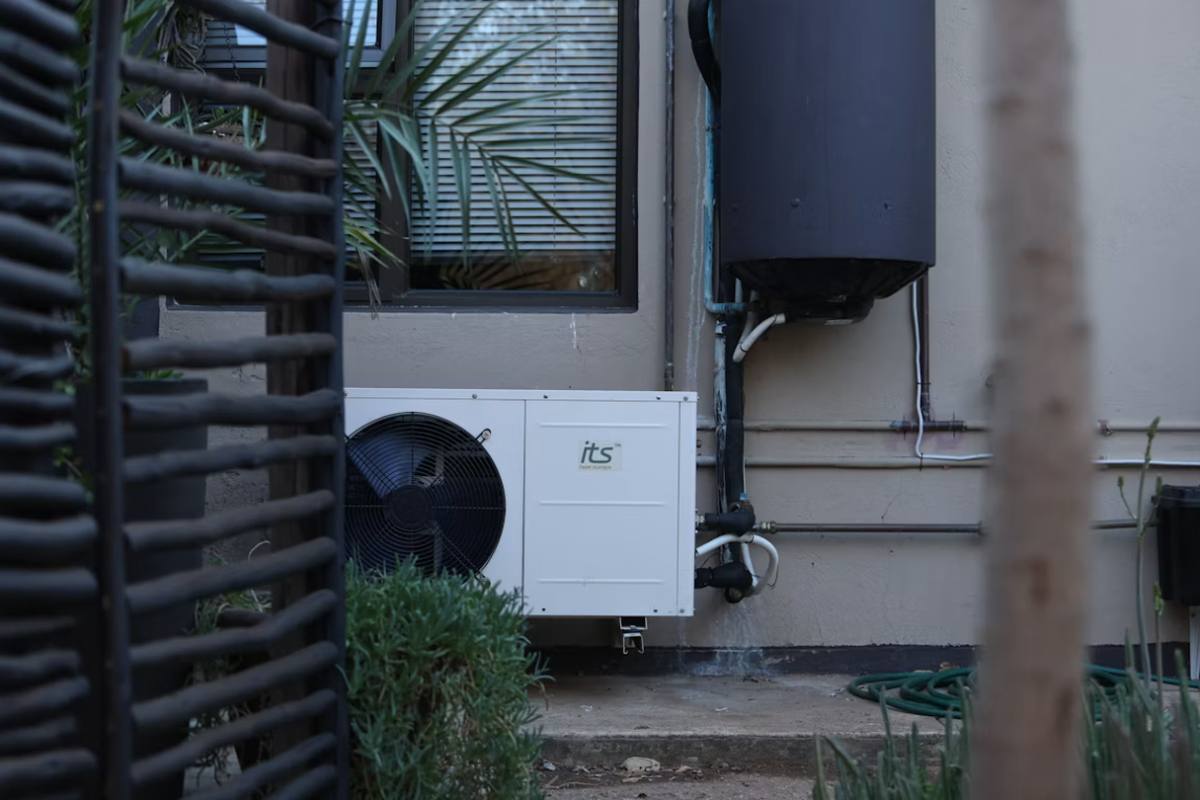
A light coating of frost in winter is expected. A block of ice encasing the coil or ice on the top of the unit is a problem you should not ignore.