
How to Choose an HVAC Contractor: 12 Questions to Ask
Equipment brand accounts for a small share of how your system performs. Installation quality accounts for most of it. Screen the installer harder than the box.
Connect this button to your email provider (Mailchimp, ConvertKit or Beehiiv) to start collecting subscribers. The form endpoint goes here.
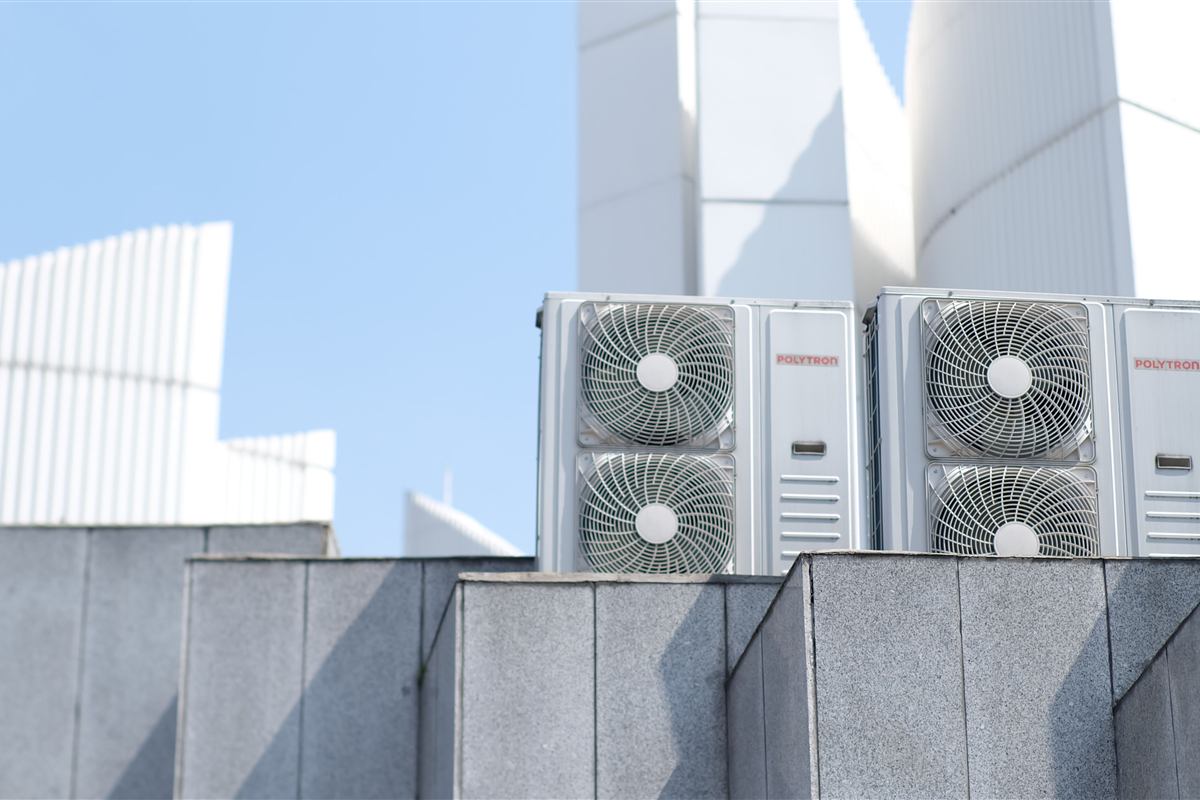
Most burning smells are dust cooking off the heat strips and clear on their own. A few are electrical faults that need the breaker off now. Here is how to tell which you have.
Most burning smells from a heat pump are dust cooking off the electric heat strips the first few times heat runs each season. That one is harmless and clears on its own. A smaller number are electrical faults that can start a fire, and those need the system shut off at the breaker immediately.
Telling them apart is not difficult once you know what to compare: what it smells like, how long it lasts, and whether it is getting stronger.
Turn the system off at the breaker and call an HVAC technician now if the smell is sharp and acrid like melting plastic or burning rubber, if it is getting stronger rather than fading, if it continues after the system has been off, or if you see smoke, scorch marks or a discoloured outlet or panel. If you see actual smoke or flame, leave the house and call the fire service first. Everything else on this page can wait until you have done that.
Electric resistance strips sit unused through spring, summer and early autumn, and dust settles on them. The first time auxiliary heat runs, that dust hits a hot element and burns off. It smells like scorched dust or singed hair, the same smell a space heater makes on its first run of the year.
What makes it identifiable:
No action is needed beyond changing a dirty filter. A clogged filter makes this worse by letting more dust accumulate and by restricting airflow across the elements.
An electrical burning smell is different in character, not just intensity. People describe it as acrid, sharp, chemical, like melting plastic, hot rubber or the ozone smell near a sparking appliance. It comes from insulation breaking down on wiring, a motor overheating, a failing capacitor or a loose connection arcing at a terminal.
What separates it from dust burn-off:
This is the case where switching the system off at the breaker rather than at the thermostat matters. A thermostat call being satisfied does not de-energise a faulty circuit; the breaker does.
| Smell | Likely cause | Urgency |
|---|---|---|
| Scorched dust, singed hair | Dust burning off heat strips | Normal at season start; change the filter |
| Melting plastic, burning rubber, ozone | Overheating wiring, motor or capacitor | Shut off at the breaker, call a technician |
| Musty, damp, like a basement | Mould or bacteria on the coil or in the drain pan | Not urgent, but an air quality issue worth fixing |
| Rotten eggs | Natural gas, if you have any gas appliance nearby | Leave the house, call the gas utility from outside |
| Sweet or chemical, faintly like chloroform | Possible refrigerant leak | Ventilate, stop running the system, call a technician |
| Exhaust or oily | Motor bearing failure or oil burning off | Have it checked before it seizes |
The rotten-egg entry is worth reading carefully even in an all-electric house. Utilities add that odorant to natural gas specifically so people recognise it. If you smell it, the correct response is to leave and call from outside, not to investigate.
Heat strips run hardest when the outdoor temperature is below the system's balance point, so the first genuinely cold day of the year is usually the first time they engage at full output. That is why the smell shows up in a cluster every autumn, and why a system that ran all summer without incident suddenly produces an odour.
It is also why a system whose aux heat runs far more than it should produces the smell more often. If your strips are engaging on mild days, something is wrong with the configuration rather than the smell itself, and the aux heat lockout setting is the usual culprit.
How long should a burning dust smell last? Roughly 15 to 30 minutes of runtime, weakening across the first few cycles and gone within a day. A smell still present after the first day of heating deserves a professional look even if it seems mild.
Is it safe to sleep with the system running if it smells like dust? If the smell is clearly the dry dust type, is fading, and there is no smoke or discolouration, this is normal seasonal behaviour. If you are unsure which type you are smelling, run the system while you are awake and can monitor it, or shut it off at the breaker until it is checked.
Can a dirty filter alone cause a burning smell? It can contribute in two ways: by holding dust that then burns off, and by restricting airflow so components run hotter than designed. It is rarely the sole cause of a genuine electrical smell.
My outdoor unit smells burnt but the indoor air does not. That points at the compressor, the outdoor fan motor or the contactor rather than the heat strips, which are indoors. It is not the harmless case, and it should be inspected.
Homeowners who collect three written quotes typically save 12–18% on the same system. Tell us your ZIP and we will connect you with licensed installers in your area.
Diagnostic steps here are ordered by how often each cause turns out to be the answer, not by how serious it is. That is deliberate: working the common causes first is what saves you a service call, and the rare-but-severe ones are flagged where they apply.
Primary references for the figures and procedures on this page. Where a number here is a range drawn from field experience rather than a published measurement, it is labelled as such in the text.
Last checked September 2026. Rebate amounts and program status change frequently; always confirm against the official program page before you sign a contract.
Equipment brand accounts for a small share of how your system performs. Installation quality accounts for most of it. Screen the installer harder than the box.

Installed prices run from $5,500 for a straightforward single-zone swap to $22,000 for a whole-home ducted system with electrical work. Here is what drives the difference.

The first zone carries the outdoor unit and most of the labor. Every zone after that is comparatively cheap — until you cross the multi-head threshold.

The short answer is yes, and modern cold-climate units are rated to keep producing useful heat down to -13°F. The longer answer is about capacity, not failure.