
How to Choose an HVAC Contractor: 12 Questions to Ask
Equipment brand accounts for a small share of how your system performs. Installation quality accounts for most of it. Screen the installer harder than the box.
Connect this button to your email provider (Mailchimp, ConvertKit or Beehiiv) to start collecting subscribers. The form endpoint goes here.
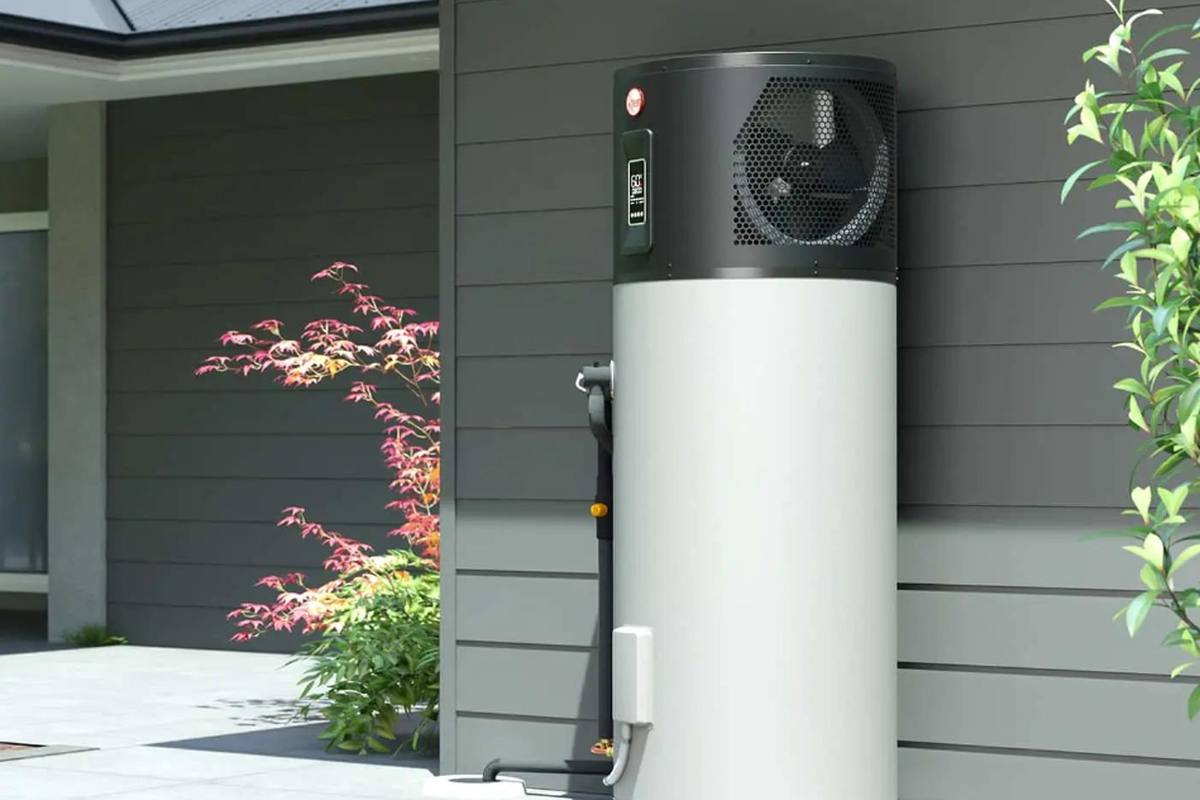
A heat pump water heater costs two to three times what a plain electric tank costs, and runs on roughly a third of the electricity. Whether that trade pays off comes down to one question almost nobody asks first: where is the tank going to live?
The equipment itself is the smaller half of that. A 50 gallon unit runs roughly $1,200 to $2,000 at the counter; the rest is labour, permit, disposal of the old tank and whatever the electrical situation demands. That last item is where two quotes for the same house diverge by two thousand dollars.
A standard electric tank is a cylinder with two heating elements. A heat pump water heater is a cylinder with a compressor and a fan bolted to the top. That difference adds about a foot of height, a condensate line, a meaningful noise signature and a requirement for a surprising volume of surrounding air.
Contractors who install these regularly price the whole situation. Contractors who mostly install gas tanks sometimes price the box and discover the rest on the day. If a quote looks materially cheaper than the others, check whether it includes the condensate routing and the electrical.
These units need somewhere between 700 and 1,000 cubic feet of air around them to work at rated efficiency — roughly a 10 by 10 room with a normal ceiling. Starve them of air and they spend their time in resistance mode, which is the expensive mode.
A basement or an attached garage usually qualifies without anyone thinking about it. A hallway closet does not. If the tank has to go in a closet, you need a ducting kit to pull air from elsewhere, and that is both an extra cost and an extra thing to get wrong.
If you already have an electric tank, the circuit is almost certainly there and the swap is straightforward. If you are coming off gas, you need a new 240 volt circuit run from the panel to the tank location, and you need panel capacity to accept it. On an older 100 amp service that is sometimes the moment a $3,000 project becomes a $6,000 one.
Get the electrical assessed before you fall in love with the running-cost numbers. It is the single item most likely to change the answer.
The efficiency measure is UEF, a close cousin of COP. A standard electric tank sits around 0.90 to 0.95. A heat pump water heater sits around 3.0 to 4.0, because it is moving heat rather than making it — the same reason a heat pump beats a furnace on delivered heat per unit of electricity.
In practice a household of four that spends $450 to $550 a year heating water electrically tends to land somewhere around $130 to $200 with a heat pump unit. Call it $300 a year saved, more where electricity is expensive, less where the tank sits somewhere cold.
At that rate the payback on a straightforward electric-to-electric swap is commonly six to nine years. On a gas conversion it is often longer than the life of the unit, and the case has to be made on something other than money.
The federal 25C credit, which covered 30% of the cost up to $2,000, expired at the end of 2025. It is not coming back in its old form, and any page still advertising it is out of date.
What remains is state and utility money, and for water heaters specifically the utility rebates are often the better of the two — electric utilities have a direct interest in shifting load and a lot of them pay $300 to $700 for a qualifying unit. Check your own utility before you check anything else.
There are three situations where the honest answer is no:
It works, but capacity falls as the surrounding air gets colder. Most units are rated to draw heat from air down to about 37 to 45 degrees Fahrenheit, and below that they fall back on the electric resistance elements, which is exactly the expensive mode you bought the unit to avoid. In a garage that regularly drops below freezing in winter, expect the savings to shrink in the months you care about most.
Yes, and that is the part people underestimate. The unit takes heat out of the surrounding air and puts it in the tank, so it cools and dehumidifies the space it sits in. In a damp basement that is often a benefit. In a finished basement you heat all winter, you are paying to heat that air twice.
Ten to fifteen years is the usual working range, similar to a standard electric tank. There are more moving parts, a compressor and a fan, so there is more that can fail, but the tank itself is still the component that usually decides the replacement date.
It runs at roughly the volume of a dishwasher, and it runs for longer stretches than a gas burner would. That is a non-issue in a detached garage and a genuine complaint when the tank sits in a closet next to a bedroom wall.
Swapping like for like is within reach of an experienced DIYer, but two things commonly are not: adding a 240 volt circuit if you are coming from gas, and routing condensate to a drain. Both are usually permit work, and doing them wrong is the sort of mistake that voids the warranty and fails an inspection.
Multi-head systems share one compressor. When only one head is calling, the compressor still has to run at a minimum speed sized for the whole system, which drives it into inefficient short cycling. Two separate single-zone systems often outperform one four-zone system on both efficiency and reliability, at similar total cost. Ask your contractor to price both.
Multi-zone outdoor units connect to indoor heads one of two ways. A direct multi-port unit has each zone's line set running straight back to a dedicated port on the condenser, which keeps cost down but limits how far each line can run and caps flexibility once installed. A branch box sits between the outdoor unit and the indoor heads as a single connection point, then splits and meters refrigerant out to each zone from there; it costs more upfront but supports longer, more flexible line runs and, on some product lines, up to eight zones from one outdoor unit. Ask specifically which configuration a quote assumes, since it affects both price and how much freedom you have to add a zone later.
Most residential multi-zone mini splits can only run in one mode across the whole system at a time: every connected zone heats, or every connected zone cools, not a mix of both simultaneously. That rarely matters for a system covering only bedrooms, but it can be a real limitation if you are trying to cool a sun-facing office while heating the rest of the house on a shoulder-season day. If simultaneous heating and cooling across zones matters for your layout, ask specifically whether the equipment being quoted supports it, since most standard residential lines do not.
Most manufacturers allow 50–100 feet of total line set, with a maximum height difference between units. Every foot beyond the pre-charged length requires additional refrigerant and reduces capacity. If your outdoor unit has to sit far from the heads, that constraint may dictate the whole system layout.
Spend on the outdoor unit’s cold-climate rating and on proper line set installation. Save on head styles — a standard wall-mount unit performs identically to a designer flat panel that costs $900 more.
Can I add a zone later instead of installing all of them at once? Sometimes, if the outdoor unit has an unused port or the branch box has spare capacity, but it depends entirely on how the original system was sized. Tell your contractor up front if you plan to add zones later so they can size the outdoor unit with room to grow rather than maxing it out on day one.
Is it cheaper to run one outdoor unit for the whole house or several smaller systems? It depends on the layout. One multi-zone system saves on outdoor equipment and a single electrical circuit, but the efficiency trap described above can erase that saving in a home with very different room-by-room loads. Ask for both configurations priced side by side rather than assuming one is automatically better.
Do all zones need to be the same brand as the outdoor unit? In practice, yes for warranty purposes. Manufacturers generally require matched indoor and outdoor components from the same product line to honor the warranty, even though some components are technically compatible across brands.
Homeowners who collect three written quotes typically save 12–18% on the same system. Tell us your ZIP and we will connect you with licensed installers in your area.
Every figure on this page is a range, not an average, and the distinction matters. A national average blends a garage mini split with a five-ton ducted replacement and describes neither. Ranges tell you where your own job is likely to land.
Found something out of date or contradicted by a quote you have in hand? Tell us — corrections are the messages we most want to receive.
Primary references for the figures and procedures on this page. Where a number here is a range drawn from field experience rather than a published measurement, it is labelled as such in the text.
Last checked September 2026. Prices are US ranges and vary by region; always confirm against written quotes.
Equipment brand accounts for a small share of how your system performs. Installation quality accounts for most of it. Screen the installer harder than the box.

Installed prices run from $5,500 for a straightforward single-zone swap to $22,000 for a whole-home ducted system with electrical work. Here is what drives the difference.
COP is the cleanest efficiency number in HVAC and the one manufacturers are least eager to put on the box. Here is how to read it.
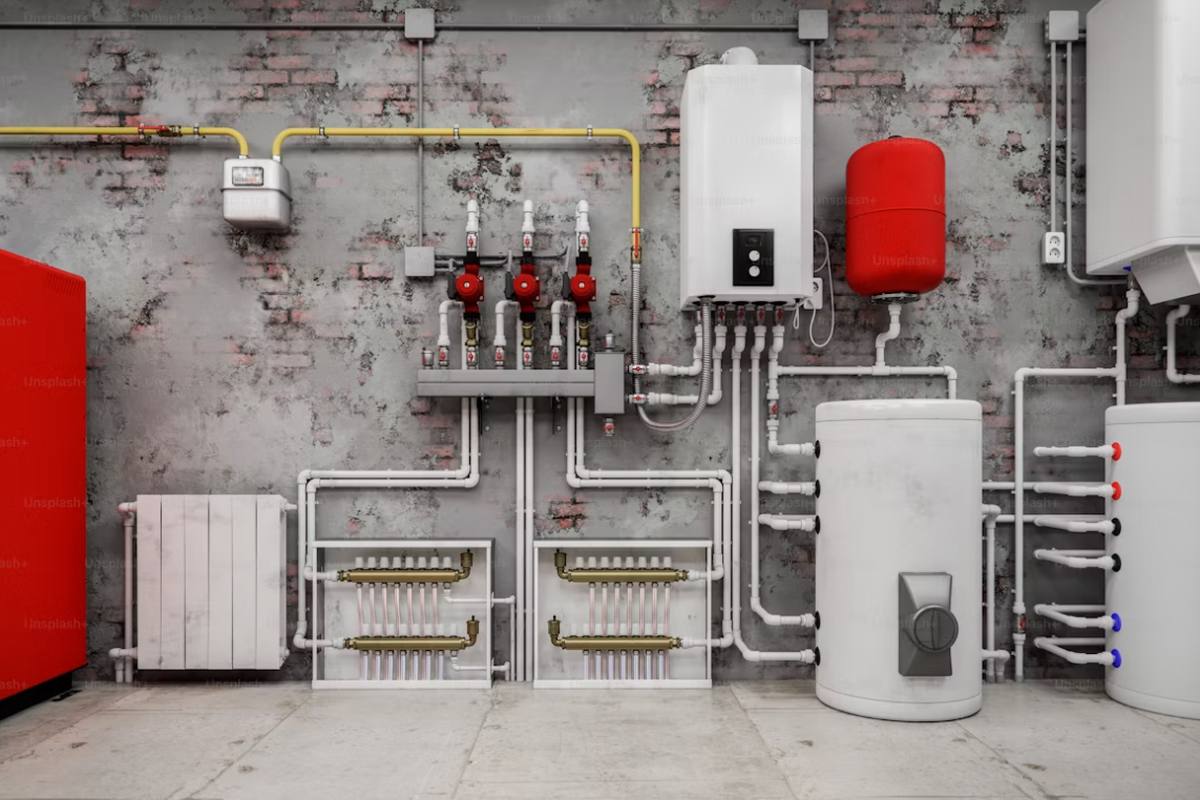
The comparison everyone gets wrong, because they compare efficiency percentages instead of comparing the price of a delivered BTU.