
How to Choose an HVAC Contractor: 12 Questions to Ask
Equipment brand accounts for a small share of how your system performs. Installation quality accounts for most of it. Screen the installer harder than the box.
Connect this button to your email provider (Mailchimp, ConvertKit or Beehiiv) to start collecting subscribers. The form endpoint goes here.
Type the code your system is showing. Every entry below comes from our own brand guides, each of which is reviewed before publication. If a code is not in here, the tool says so rather than guessing — a wrong code sends you to the wrong repair.
The same 26 entries the lookup above searches, listed in full so you can scan them. Each links to the brand guide it came from.
| Brand | Code | What it points to | What to do |
|---|---|---|---|
| Mitsubishi | P1 | Indoor intake thermistor damaged or disconnected | Technician. The sensor itself is an inexpensive part. |
| Mitsubishi | P6 | Freeze or overheat protection tripped, often from a dirty filter, dusty blower wheel or blocked airflow | Clean the filter and check airflow before calling. |
| Mitsubishi | E6 | Indoor-to-outdoor communication error, usually the interconnecting cable or a control board | Look for obvious wiring damage, then call. |
| Mitsubishi | E9 | Outdoor air sensor malfunction or disconnection | Technician. |
| Mitsubishi | U2 | Power supply abnormality | Technician only. Do not repeatedly power cycle. |
| Daikin | A3 | Drain level control fault | Clogged drain, drain line sloping the wrong way, failed drain pump or a stuck float switch. |
| Daikin | A5 | Indoor coil freezing or overheating | Dirty filter, restricted airflow or a faulty coil sensor. |
| Daikin | A6 | Indoor fan motor fault | Motor locked, overloaded, or a bad connection. |
| Daikin | C4 / C9 | Indoor thermistor resistance abnormal | Disconnected or short-circuited sensor wire. |
| Daikin | E3 | High pressure too high | Blocked or dirty outdoor coil, restricted airflow, or overcharge. |
| Daikin | E4 | Low pressure too low | Low refrigerant, a restriction in the piping, or a faulty pressure switch. |
| Daikin | E7 | Outdoor fan not working | Obstruction, failed fan motor, or control board fault. |
| Daikin | F3 | Discharge temperature too high | Low charge, restricted piping, or a faulty discharge thermistor. |
| Daikin | H6 | Position detection sensor fault | Compressor problem, outdoor board, or poor contacts. |
| Daikin | L5 | Inverter overloaded | Failing compressor or inverter board. |
| Daikin | U0 | Suction pipe temperature too high | Low refrigerant, a restriction, or an expansion valve fault. |
| Daikin | U2 | Power voltage problem | Open phase, voltage imbalance or a supply fault. |
| Daikin | U4 | Indoor to outdoor communication failure | Damaged communication wire, loose terminal, or a failed board. |
| Daikin | UA | Unit combination or setup error | Wrong indoor and outdoor pairing, or an incorrect field setting. |
| LG | CH01 | Indoor air temperature sensor fault | Open or shorted sensor circuit, or a disconnected sensor plug. |
| LG | CH05 | Communication failure between indoor and outdoor units | Loose or damaged communication wire, terminal corrosion, or board damage after a surge. |
| LG | CH10 | Discharge temperature exceeded its limit | Usually a faulty discharge thermistor, but can indicate a genuine refrigerant problem. |
| LG | CH38 | Low refrigerant pressure | Refrigerant leak. Needs an EPA 608 certified technician. |
| Fujitsu | 11 | Serial communication error between indoor and outdoor units | Wiring disconnect, failed indoor or outdoor PCB, or a branch box fault on multi-zone systems. |
| Fujitsu | 53 | Drainage error | Failed drain pump or a plugged drain line. |
| Fujitsu | 97 | Outdoor fan motor error | Debris around the fan, a shorted or broken motor wire, a failed motor, or a failed outdoor PCB. |
Carrier publishes fault information by category rather than as a fixed code list, so its guide covers the families instead. Mitsubishi and Daikin also group codes by first character, which the tool uses to narrow a code it does not carry.
Where the code appears depends on what you own. Ducted systems with a wall control usually show it on the thermostat screen. Mini splits often have no display at all and report the fault as a blink pattern on the indoor unit, which you have to count.
A fault code names the symptom the control board detected, not the part that failed. A communication error is usually wiring rather than a board. A high-pressure trip is usually a blocked coil rather than a compressor. Treat the code as the start of the diagnosis, not the end of it.
Two rules worth keeping regardless of what the code says: do not repeatedly reset a system that keeps faulting, and do not keep resetting a breaker that trips. Both turn a repair into a replacement.
My code is not in the list. What now? The tool only carries codes we have written up and checked, so gaps are expected rather than a fault. Go to your brand's guide below for the code families, which will tell you which subsystem the code belongs to, then to the manufacturer's own service literature for the exact meaning.
Can I clear a code by cutting the power? It usually clears the display, and if the underlying condition is gone the system runs normally again. If the condition is still there the code returns, often within minutes. A code that returns immediately after a reset is telling you something real.
Does the same code mean the same thing on every model? No, and this is where published charts disagree with each other. Code meanings vary by series and by year within a brand. Confirm against the service literature for your specific model before buying a part.
Diagnostic steps here are ordered by how often each cause turns out to be the answer, not by how serious it is. That is deliberate: working the common causes first is what saves you a service call, and the rare-but-severe ones are flagged where they apply.
Primary references for the figures and procedures on this page. Where a number here is a range drawn from field experience rather than a published measurement, it is labelled as such in the text.
Last checked September 2026. Code meanings vary by series and model year; always confirm against your unit's service literature before buying parts.
Equipment brand accounts for a small share of how your system performs. Installation quality accounts for most of it. Screen the installer harder than the box.
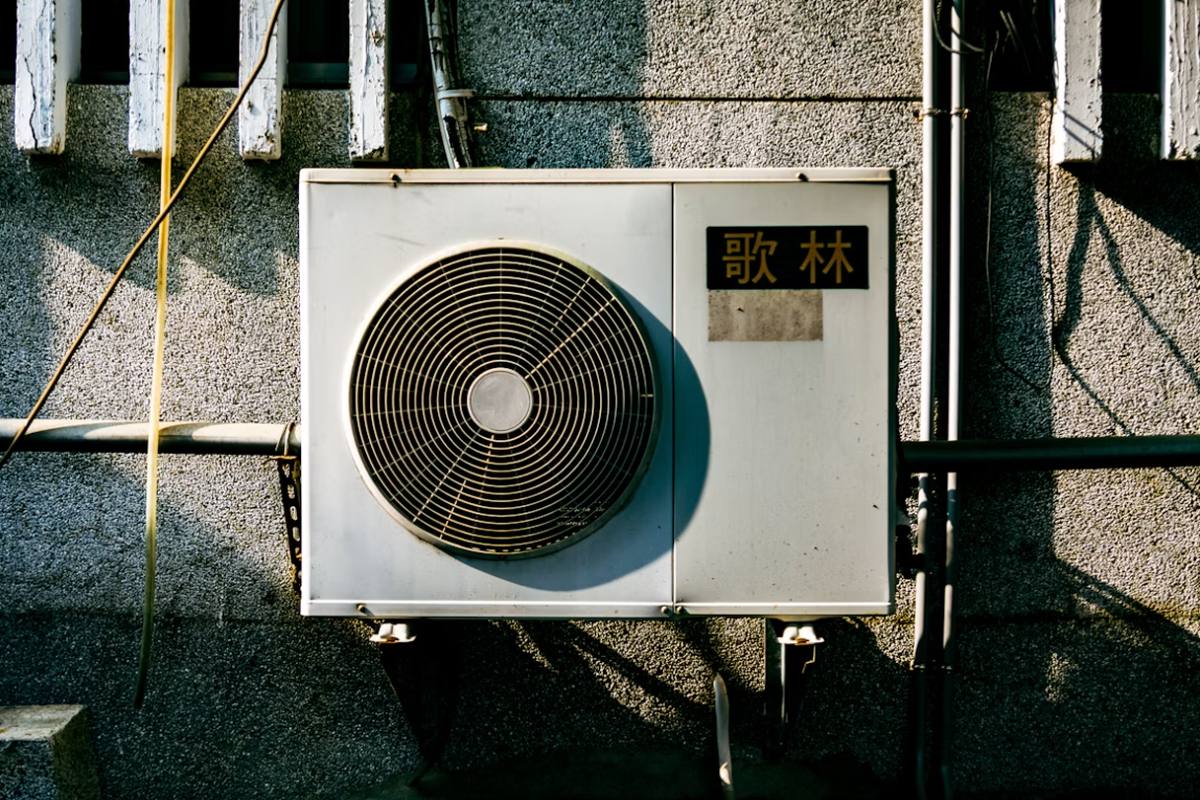
Start with the two possibilities that are completely normal, then work through the five that are not. Most cases resolve without a service call.
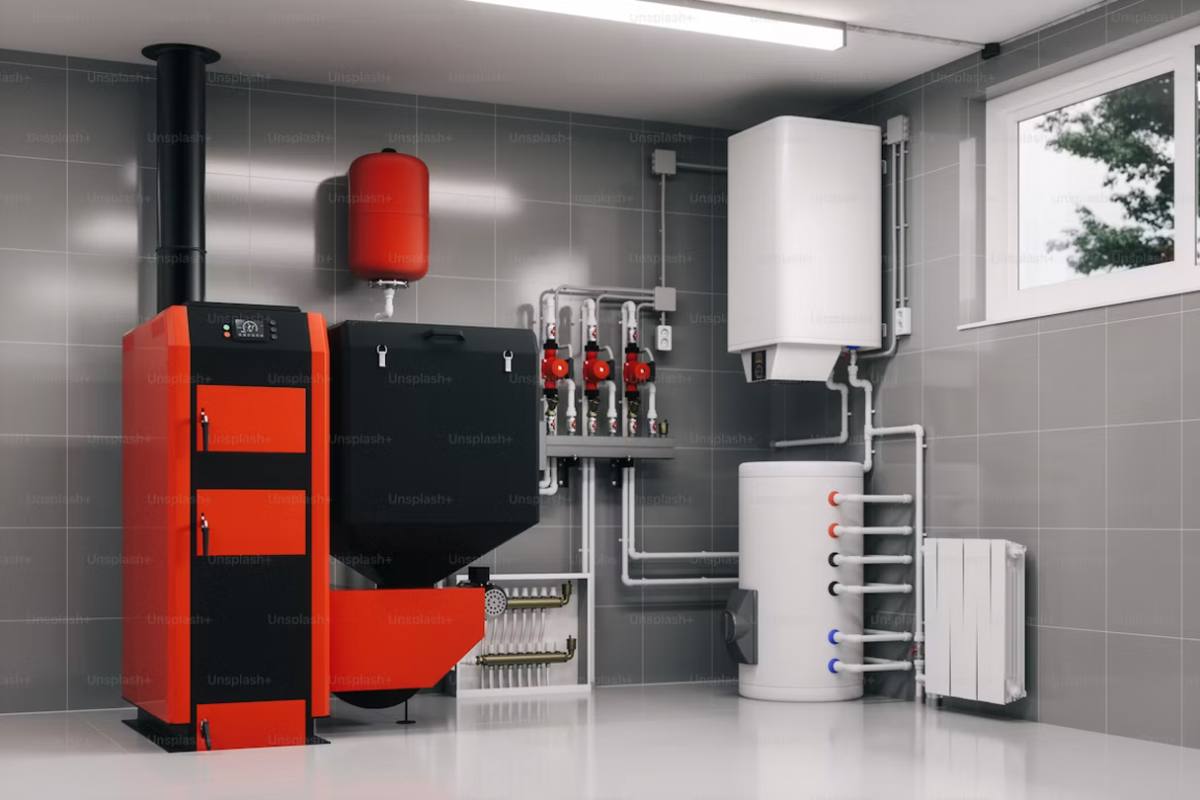
Mitsubishi reports faults as two-character codes and as LED blink patterns. Here is how to retrieve a code and what the major families of codes point to.
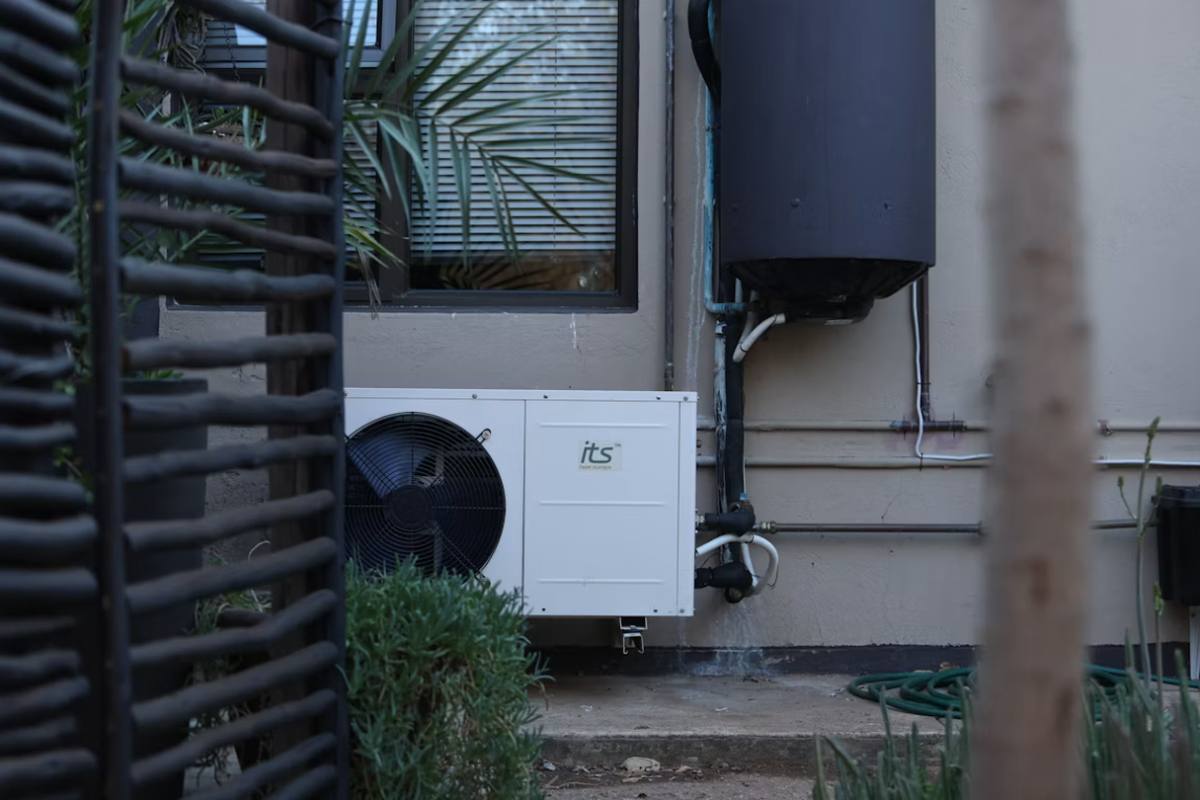
A light coating of frost in winter is expected. A block of ice encasing the coil or ice on the top of the unit is a problem you should not ignore.